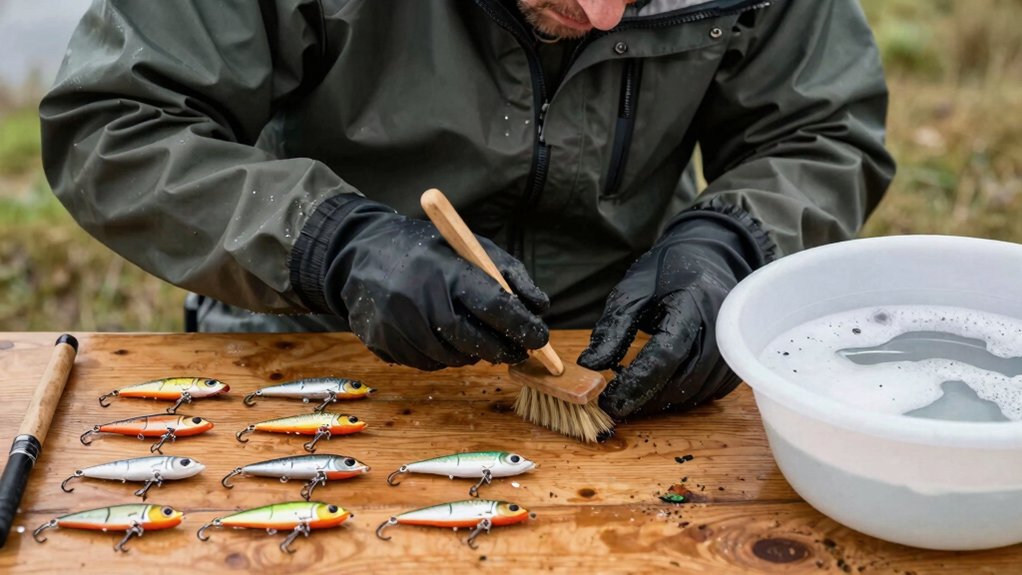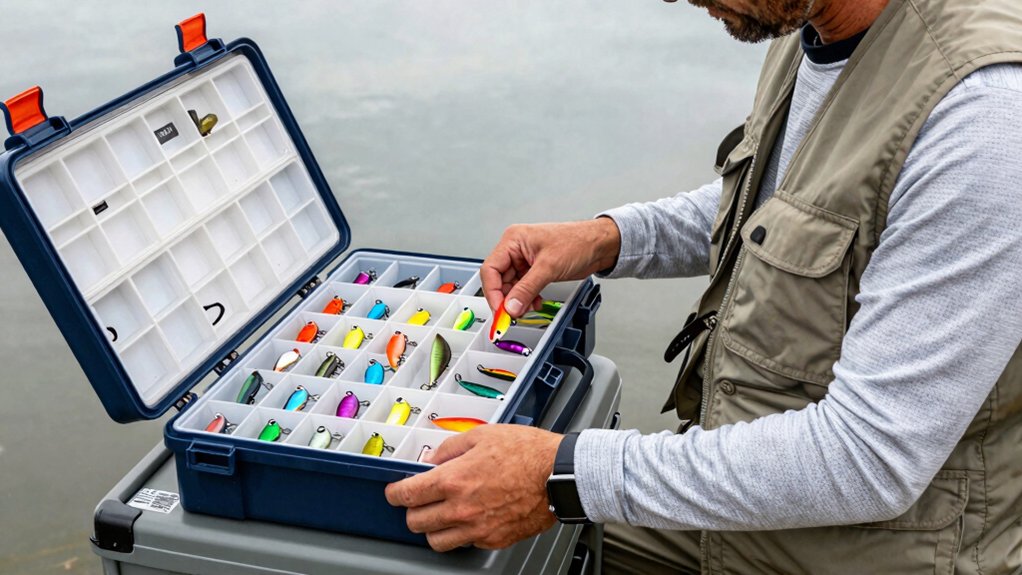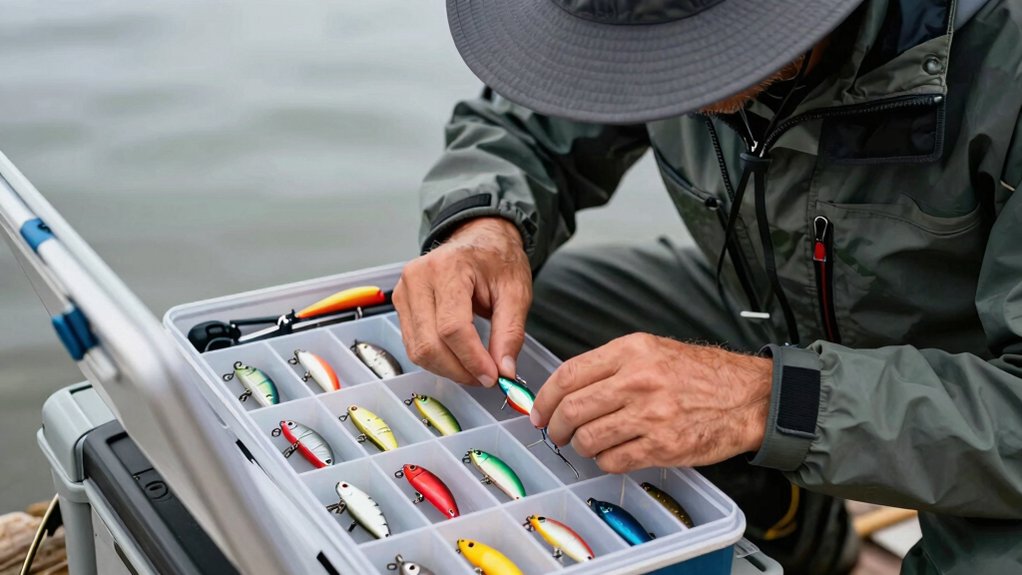
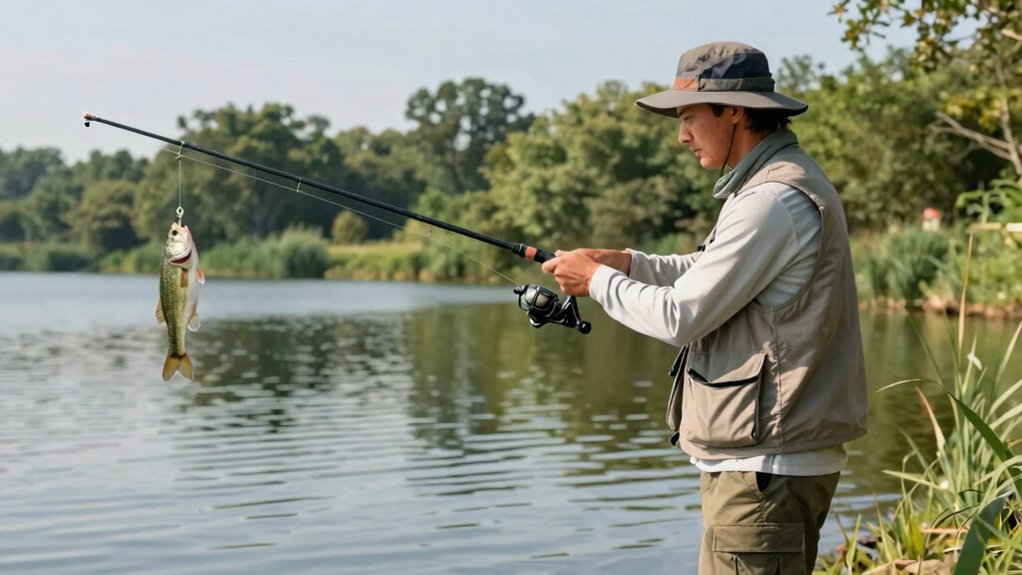

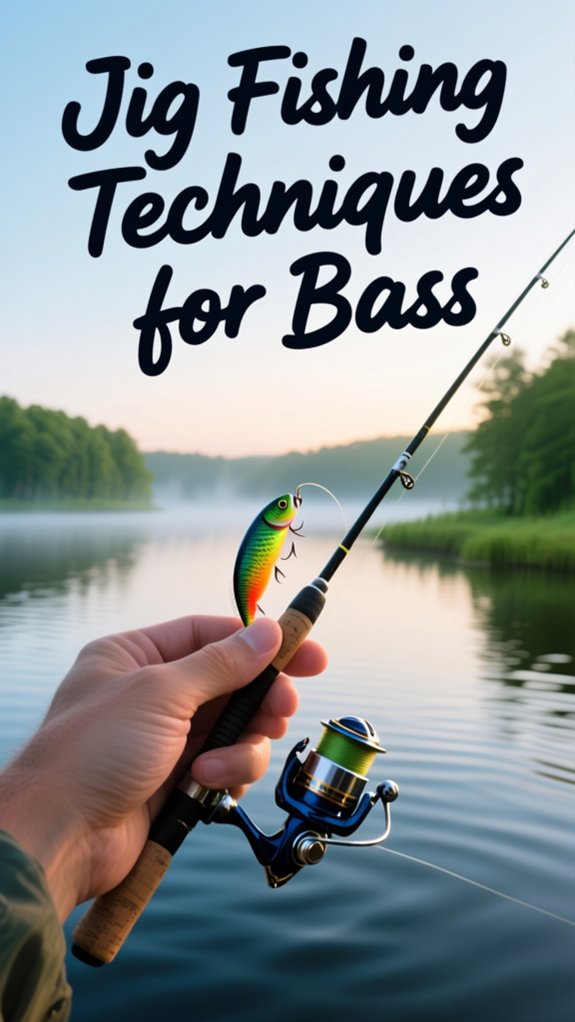
I use a jig by matching the weight to depth and cover: ¼ oz for shallow water, ½ oz or heavier for deep structure, then pairing it with a trailer that fits the temperature: small grubs when it’s cold, bulky chunks when it’s warm.
I cast past my target, let it sink on a tight line, and hop it along the bottom to feel every rock and log. When I sense a tap or weight change, I set the hook immediately with a solid upward sweep. Pausing after a missed bite often triggers another strike, and trimming the weedguard slightly helps hook fish without snagging every branch. There’s more to decoding what your jig tells you about what’s below.
Match Jig Size and Trailer to Your Conditions
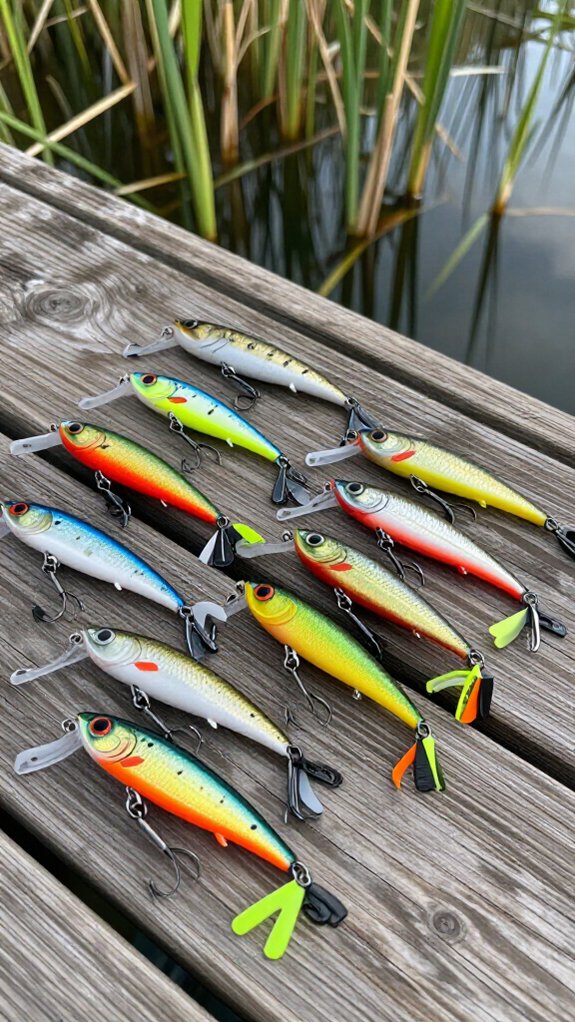
When I’m staring down a stretch of shoreline or idling over a brush pile on my graph, the first thing I do is match my jig to what the water’s telling me, because getting this part wrong means I’m fishing blind while the bass are looking for something specific.
Dialing in Your Jig Size
I reach for a ¼ or ⅜ ounce jig when I’m working shallow water and the bite’s aggressive. When I’m probing deeper offshore structures, I’ll bump up to ½ or ¾ ounce to maintain contact and feel every tick.
Picking the Right Trailer
Cold water demands smaller trailers, think 3-inch grubs or craws, since bass key on tiny forage. Warmer water? I’ll tie on bulkier double-tail grubs or chunks to stir up more action.
Reading Water Clarity and Cover
I match trailer color to water clarity: natural hues for gin-clear water, darker shades when it’s stained. Then I adjust my jig size and trailer combo based on how thick the cover is and how active those bass are acting.
Pick Your Jig Rod and Line for Thick Cover
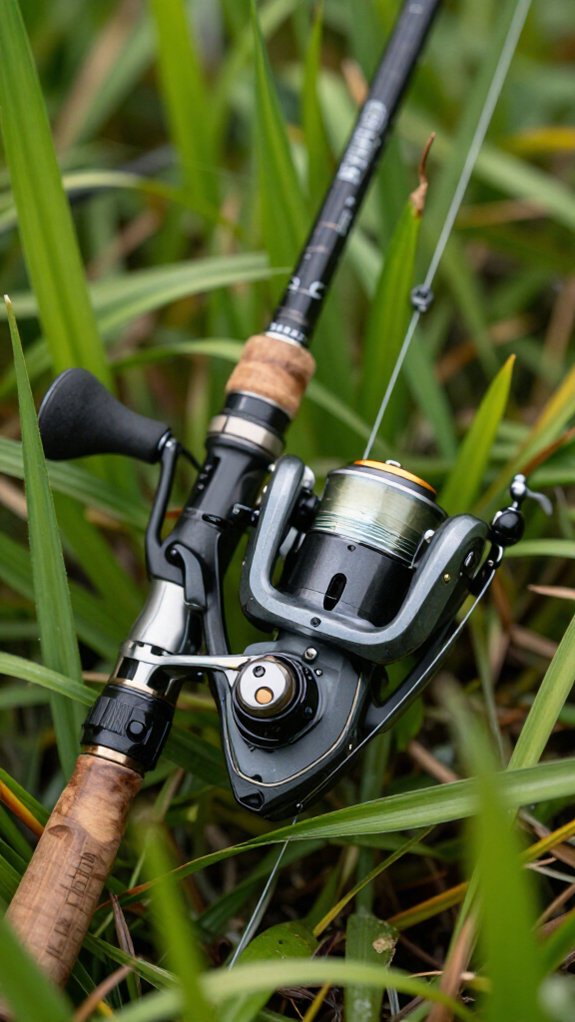
I pick a 7 to 7.5-foot heavy-action baitcasting rod when I’m punching jigs into thick cover because that extra backbone rips bass straight out of matted grass and timber without giving them an inch to wrap me up. I spool up with 15-20 lb fluorocarbon for the gnarly stuff.
Though I’ll drop to 6-8 lb test when I’m finesse jigging in lighter cover where bites get finicky and I need more natural presentation.
Pair that stick with a reel pushing 6.3:1 or faster, and I’ve got the speed to instantly pick up slack when I feel that dull thump and drive the hook home before the fish knows it’s hooked.
Rod Length Selection
Because thick cover demands gear that punches through branches instead of folding under pressure, I’ll walk you through exactly what rod, reel, and line combination keeps you in control when a bass bites deep in the junk.
Finding Your Ideal Rod Length
For jig fishing in heavy cover, I reach for a 7 to 7.5-foot heavy-action baitcasting rod. That rod length hits the sweet spot, short enough to maneuver through overhanging limbs, long enough to generate the advantage needed to haul bass out of thickets.
The magic happens where the rod tip meets the blank. I need a sensitive tip to feel the subtle thump of a jig getting crushed, but enough backbone behind it to drive hooks home and winch fish through matted grass.
A shorter rod sacrifices casting distance; longer rods tangle in tight quarters. Seven feet puts me right where I need to be.
Line Weight Choice
The right line weight locks your whole setup together, turning that perfect rod into a fish-landing machine instead of a liability when you’re buried in the thick stuff. I pair my jig rod with 15-20 lb fluorocarbon line for the abrasion resistance I need when dragging through rocks, brush, and timber.
Matching Your Setup
Heavier line and rod combos stop break-offs cold. In nasty, gnarly cover, I’ll bump up to 20 lb fluorocarbon line without hesitation, frayed line costs fish.
Jig and Line Balance
Match your jig head to your line weight. I run 3/8 oz jigs with 17-20 lb test when I’m punching deeper or working truly heavy stuff. That pairing lets me feel every tick and drive hooks home with authority.
Reel Gear Ratio
When you’re buried in thick cover and need to turn a bass’s head before it buries you in the brush, a high-speed reel becomes your best friend.
Choosing Your Gear Ratio
I reach for a high-speed reel with a gear ratio between 7.1:1 and 8.1:1 when I’m punching mats or flipping docks. That quick line pickup lets me rip fish out before they wrap me around timber.
For slower, methodical presentations in heavy cover, I’ll drop to a 5.4:1.
Finesse work gets a 6.4:1 with lighter line.
Don’t Skimp on the Drag
Your drag system matters just as much as speed. A smooth, reliable drag prevents breakoffs during hook setting and gives you control when that bull bass surges.
Pair it with a 7’6″ heavy-action rod and 17-20 lb fluorocarbon, and you’re armed for battle.
Present Your Jig: Cast, Flip, or Swim It
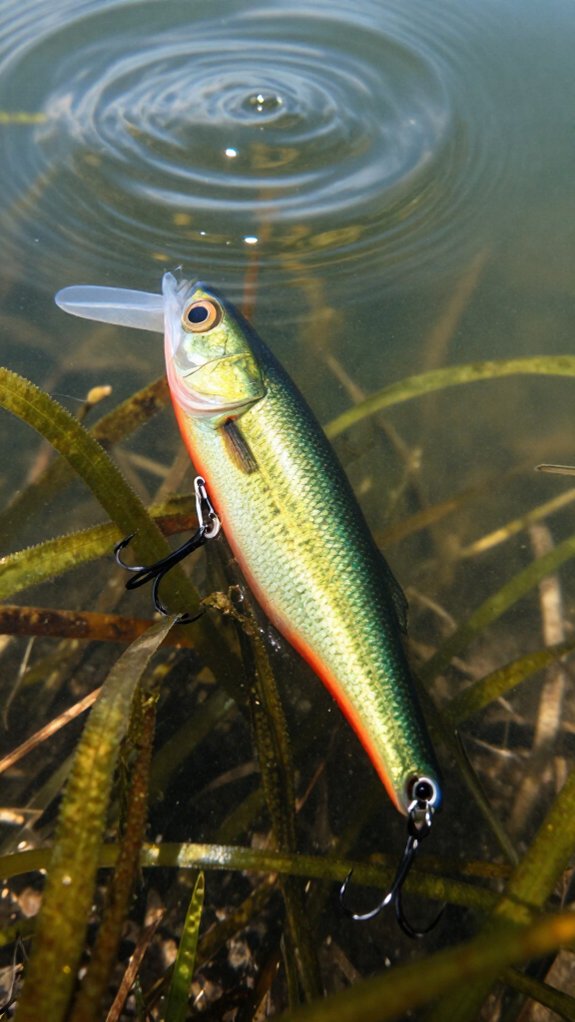
Once you’ve rigged your jig perfectly, it’s time to put it where the fish are, and I’ve found that how you present it matters just as much as where you cast.
I’ve got three proven approaches that’ll get bass striking:
- Cast and drag – I cast past my target, let the jig settle on the bottom, then slowly drag it back with occasional hops. This mimics a fleeing crawfish perfectly.
- Flip into cover – When I’m targeting tight spots where big bass hide, I flip or pitch my jig silently into thick cover without spooking anything.
- Steady retrieve – Sometimes I’ll swim my jig just above the bottom, retrieving steadily with slight pauses to imitate baitfish.
No matter which method I choose, I keep my line tight during descent so I never miss those subtle bites.
Feel Your Jig on the Bottom and Read the Cover
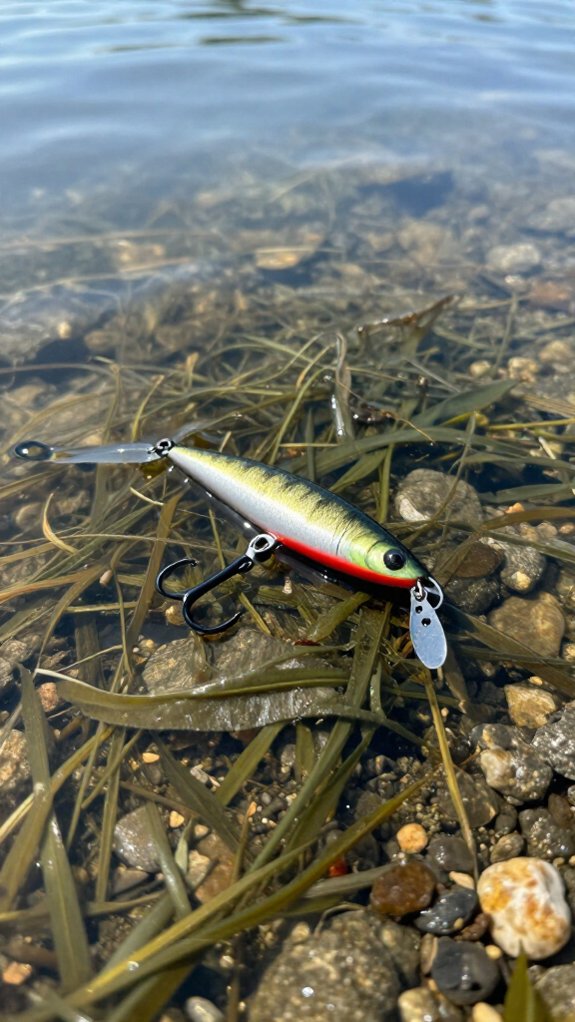
I keep a soft bow in my line during the fall so I don’t miss those whisper-light bites, then maintain steady tension to feel every pebble, branch, or change in bottom composition.
When my jig suddenly stops, thumps differently, or the line goes slack faster than expected, I know I’m either hitting cover or a bass has already inhaled it.
Reading these subtle signals lets me distinguish between a snag worth fighting and a strike worth setting the hook on.
Feeling Bottom Contact
Although many anglers focus on flashy retrieves, I’ve learned that the real magic happens when I can feel exactly what my jig is doing down there, because bottom contact is where bites live.
To master this, I focus on three essentials:
- Maintain soft line tension – I keep just enough tension to detect changes without killing the jig’s natural action.
- Watch the fall – I leave a slight bow in my line during the drop so I can sense the moment my jig touches down.
- Lift and feel – I practice raising my rod tip during hops to detect subtle differences in texture.
That hard thump or slight resistance? That’s the bottom talking, and sometimes, it’s a bass biting.
Reading Cover Changes
When I can tell the difference between a rock, a log, and a clump of grass just by what my rod tip’s telling me, I know I’m dialed in, and that’s when the real pattern-solving begins.
Tuning Into Texture
I keep my line tension light enough to feel the jig’s fall but firm enough for detecting bites. A hard thump means rock; slight resistance suggests wood. These cover changes tell me exactly where bass are holding.
Decoding the Drop
I use a soft, controlled fall to read what’s below. Adjusting my rod tip during descent helps me sense the density of different cover structures.
Sudden weight or slack signals transitions between bottom types.
Each variation in feel builds my mental map, and puts more fish in the boat.
Detecting Subtle Bites
Because bass often inhale a jig on the fall without slamming it, you’ll miss more fish than you catch if you’re not tuned into the subtle stuff. Detecting bites starts with maintaining feel line tension throughout the entire retrieve. I keep my rod tip slightly raised and watch for any hesitation or spongy pressure that doesn’t match the jig’s normal tumble.
Here’s how I read those whisper-soft takes:
- Feel the drop, Monitor descent closely; unusual resistance means a bass has grabbed it
- Use soft rod motion, Controlled lifts reveal subtle tension changes better than aggressive snaps
- Manage line slack, Too much and you’ll never feel the pickup; too little kills the natural fall
That gentle bump or sudden heaviness? That’s your cue. Set the hook immediately.
Recognize Bites and Set the Hook Hard
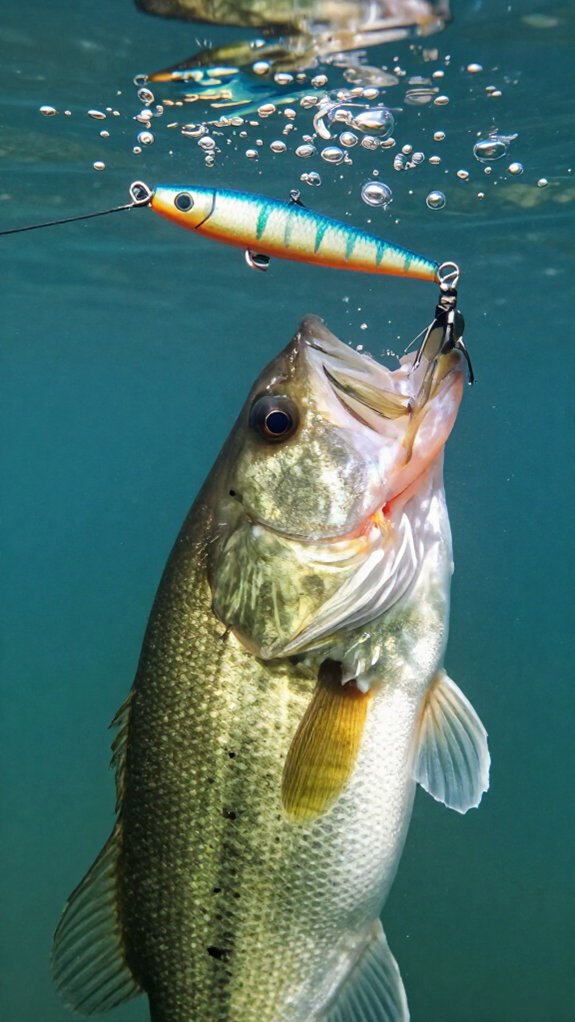
Whether I’m pitching a jig into heavy cover or dragging it across a rocky bottom, I won’t catch a single bass if I can’t tell when one has actually taken the bait. I keep gentle, consistent tension on my line to detect bites as the jig falls or hops. I’ll feel a hard thump, subtle pressure, or sometimes a slow, steady pull—each tells me something different about how the fish wants the bait.
| Bite Type | What I Feel |
|---|---|
| Hard Thump | Sudden impact, line jumps |
| Subtle Pressure | Soft weight increase, no movement |
| Quick Jerk | Sharp tap, aggressive strike |
| Steady Pull | Constant drag, swimming away |
When I feel any unusual resistance or pressure, I set the hook immediately with a strong, upward sweep. Timing matters, hesitate and that bass spits the jig. I practice reading these sensations until I know instantly what’s a rock and what’s a fish.
Land Fish From Heavy Cover Without Breaking Off
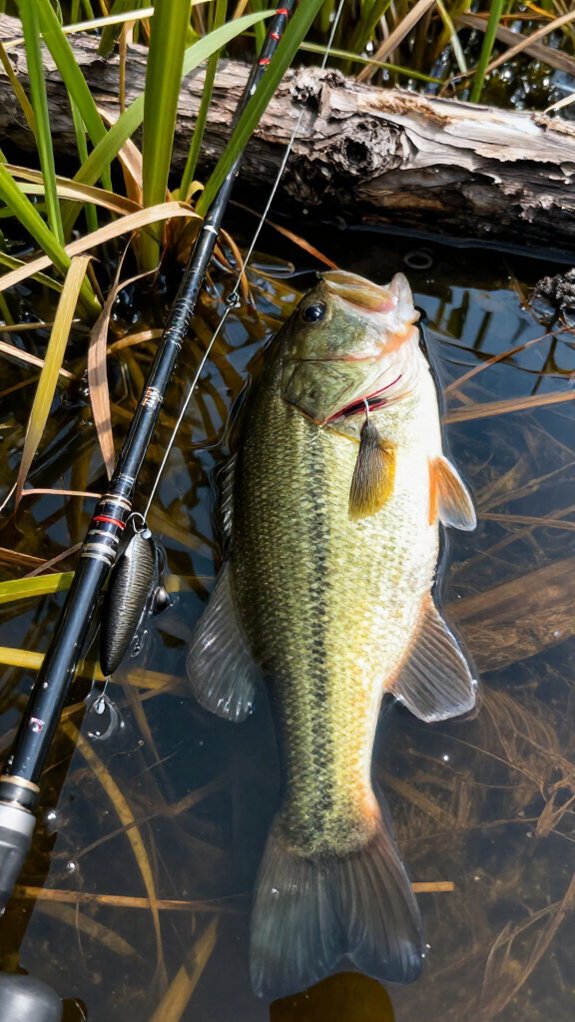
Once I’ve set the hook and feel that headshake from a bass buried in thick timber or matted grass, I’ve got maybe seconds before it wraps me around a limb and snaps my line. Keeping that fish out of heavy cover means balancing power with control.
Here’s how I stop the line break:
- I grab my heavy-duty stick, a 7’6″ heavy-action baitcaster with 20-30 lb fluorocarbon gives me the backbone to yank fish away from trouble without tearing my line.
- I dial my drag just right, tight enough to turn a bass’s head, loose enough to absorb surges without popping off.
- I trim my jig’s weedguard slightly, keeps it weedless but doesn’t block the hook when I’m setting the hook hard.
When a fish burrows, I give slight slack, then reapply tension fast. Steady pressure wins the fight.
Fix Missed Hooksets and Constant Snags
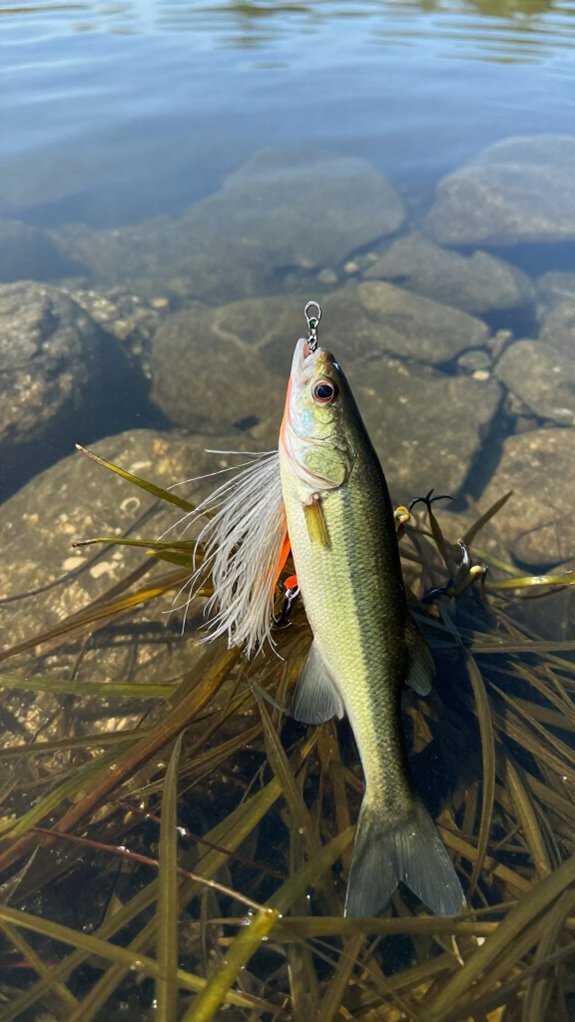
Even when I’m dialed in, I’ll still miss fish or hang up in the junk—that’s just part of jig fishing.
Handling Missed Hooksets
When I feel that tap but don’t connect, I pause. I’ll wait a moment, let the jig fall back, then drive the hook home with a firm, steady strike. Patience converts more missed hookset opportunities into landed bass.
Beating Snags
Snags frustrate everyone, but I’ve learned to fight smarter. I choose jigs with a weedless design and keep my line tight during retrieves. Slack line invites hang-ups.
If I’m getting stuck too often, I’ll trim the weed guard slightly for better penetration while keeping protection.
Getting Unstuck
When I’m hung, I gently lift and shake my rod tip rather than yanking. I also keep my reel spooled with quality line and use a sensitive rod with smooth drag. This setup detects subtle bites and pops free from snags without breaking me off.
Frequently Asked Questions
How to Fish With Jigs for Beginners?
I start with a medium-heavy rod and fluorocarbon line, cast near rocks or docks, let the jig fall while watching my line, Then hop it slowly along the bottom until I feel a bite.
How to Use a Jigging Lure?
I drop my jig onto the target, let it settle, then work it with short hops or drags along the bottom. I keep tension on my line to feel every fall and detect those subtle bites.
How to Setup a Bass Jig?
I pair a 7-foot medium-heavy rod with a baitcasting reel and 12-17 lb fluorocarbon, since 80% of missed bites come from poor sensitivity. I tie a 3/8 oz jig with a Palomar knot, rig a matching trailer, and adjust my weed guard for cover.
What Is the Proper Jigging Technique?
I maintain a tight line to feel bottom contact, then use short rod-tip hops to mimic crawfish. I keep the jig near bottom, pause after each hop, and watch for tension changes that signal strikes.
In Conclusion
Mastering jig fishing metamorphoses you from a hopeful caster into a confident hunter. You’ve learned to match your jig to conditions, wield the right rod, and read bottom structure like a veteran.
Remember, detecting bites is like feeling a secret handshake underwater, it takes practice, but once you know it, you’ll never miss it. Set hard, stay patient, and trust your gear. Now get out there and put these techniques to work.