
I set up bass rigs by matching the conditions I’m fishing. For thick cover, I thread a bullet weight above a 3/0 or 4/0 offset hook on a Texas rig and bury the point for weedless penetration through hydrilla and pads. When bass suspend deep, I tie a drop shot with a Palomar knot, leaving a 12-24 inch tag end to position my bait precisely in the strike zone.
The Carolina rig handles offshore structure with its heavy weight and long leader, while the Ned rig and wacky rig tempt cold, pressured fish with subtle, natural movements. Heavy mats demand punch, Tokyo, or free rigs to reach buried bass. Multi-lure umbrella and donkey rigs trigger competitive feeding when bass chase schools, keep scrolling and I’ll break down exactly how to choose weight, hook, and line for each setup so you never guess wrong on the water again.
Texas Rig: Best Starting Point for Thick Cover Bass
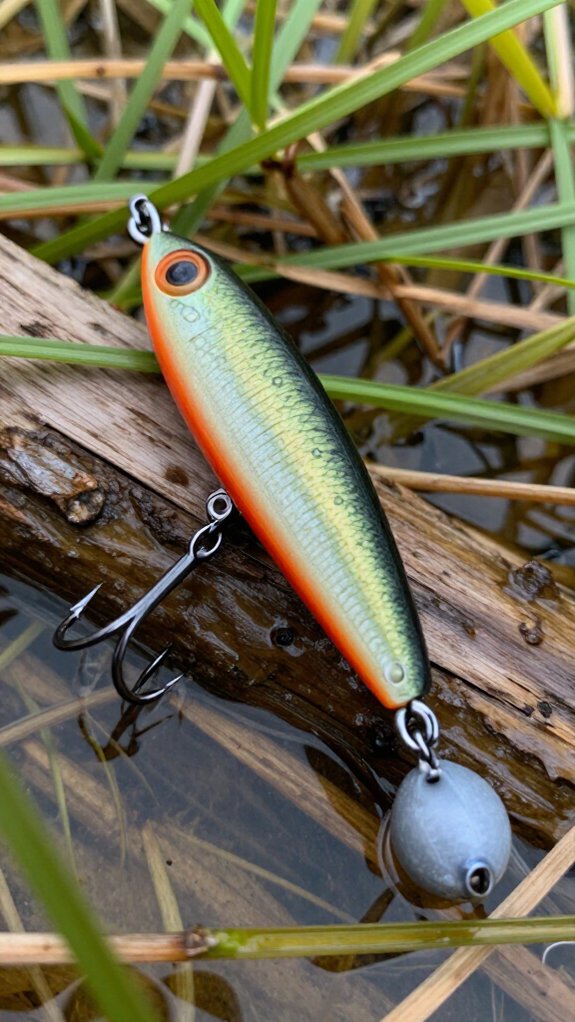
When I’m fishing heavy mats of hydrilla or punching through thick lily pads, I reach for a Texas Rig first because it’s the most reliable way to present a bait where bass live without donating my lure to the cover. It’s my go-to setup when I need a weedless presentation that actually works.
Why It Works
The magic starts with that bullet-shaped sinker sliding freely on your line. I’ll let it plummet through the vegetation, and that free movement lets my soft plastics fall naturally instead of spiraling unnaturally.
I’m talking worms, creature baits, craws, anything that looks like an easy meal.
The offset shank worm hook (I prefer 3/0 or 4/0) buries into the plastic’s nose and tucks back under the surface. That streamlined profile, it slips through cover that would devour exposed hook rigs.
Making It Count
I work it slow. Deliberate twitches, long pauses. Bass buried in timber or brush don’t chase, they ambush. Give them time to find it.
How to Choose Weight, Hook, and Line for Any Bass Rig
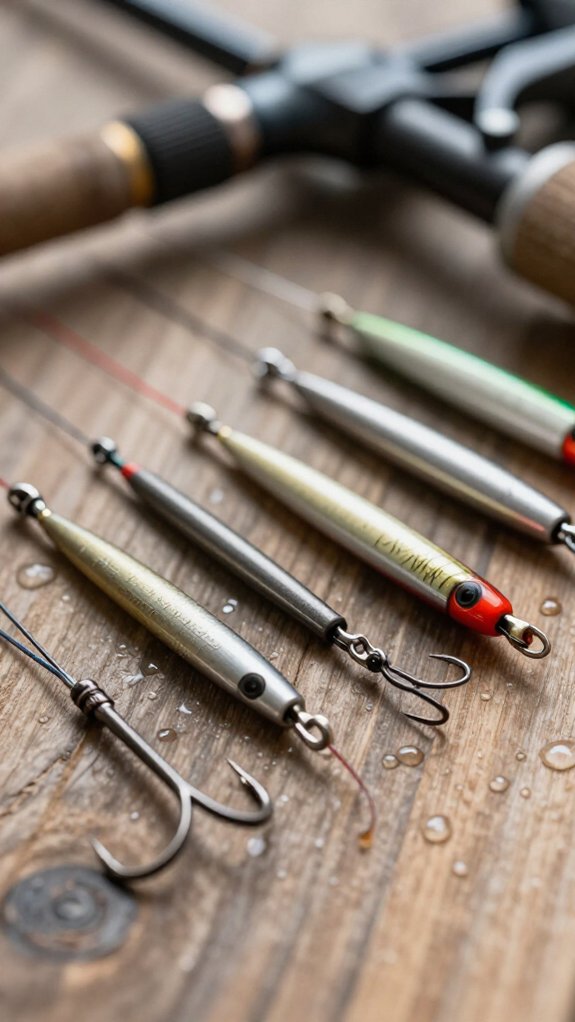
Because I’ve lost enough fish to learn the hard way, I’ll tell you straight: your rig’s only as good as the weight, hook, and line holding it together.
Weight Selection
I pick weight based on depth, current, and cover. I’ll throw 1/16 oz for finesse presentations in open water, but I’ll punch through thick mats with 1 oz or heavier. The right weight keeps your bait in the strike zone without spooking fish.
Hook Choice
Match your hook to the lure. I use 3/0 to 4/0 offset hooks for standard soft plastics and wide-gap hooks for bulky creature baits. A poorly sized hook costs you fish at the boat.
Line Matters
I spool fluorocarbon for clear water stealth, braid for heavy cover, and monofilament when I need stretch. I run 8-20 lb test depending on conditions, and I always tie with Palomar or Improved Clinch knots, no exceptions.
Carolina Rig: When Deep, Open Water Calls for Change
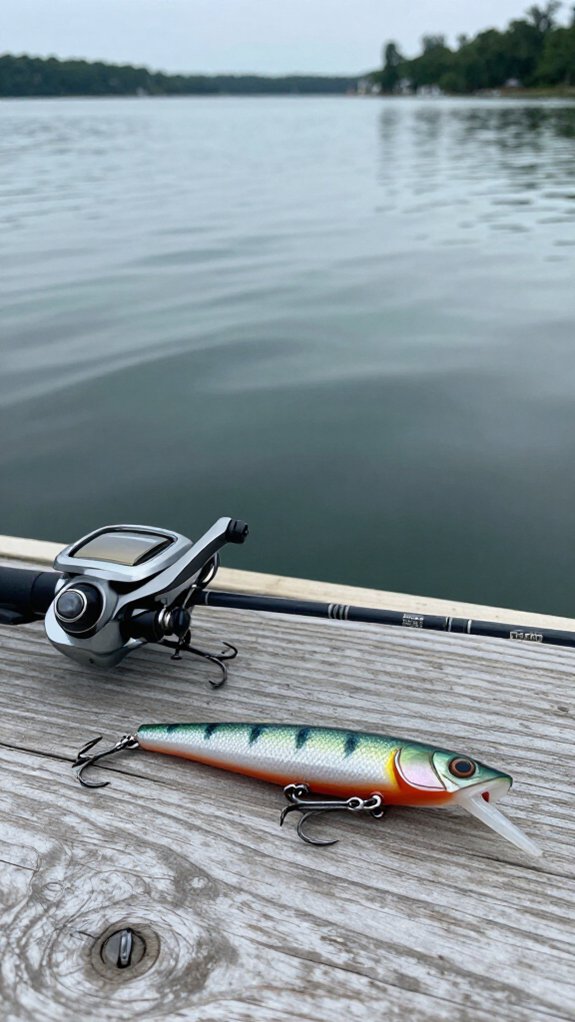
I turn to the Carolina rig when I’m staring at vast, empty-looking flats or tracing the edge of a drop-off where bass hold tight to deep structure that’d be impossible to target any other way.
The beauty’s in the drag, I’ll let that heavy weight tick along the bottom while my soft plastic hovers just above, tempting fish that aren’t willing to chase.
Once you’ve felt that slow, deliberate pull of a bass picking up a dragging bait, you’ll understand why mastering this technique changes those intimidating deep-water days into some of your most productive outings.
Deep Structure Targeting
Although shallow water gets most of the glory, some of my biggest bass have come from 15 to 30 feet down where structure holds fish that rarely see a lure. That’s when I reach for the Carolina rig.
Why the Carolina Rig Rules Deep Water
I use heavier weights, ½ to 1 ounce, to bomb long casts and maintain solid bottom contact across ledges and drop-offs. The bead and swivel protect my line while letting the bait move naturally. I adjust my leader between 12 and 24 inches to keep the presentation right where deep water bass feed.
| Component | Purpose |
|---|---|
| Heavy weight | Long casts, solid bottom contact |
| Bead | Protects line from weight damage |
| Swivel | Smooth bait movement |
| Leader length | Controls depth precision |
| Slow retrieve | Mimics natural foraging |
That steady drag triggers bites from bass holding in open water structure.
Dragging Technique Mastery
Once you’ve got your Carolina rig on the bottom, the real magic starts with how you move it. I drag the rig slowly across the bottom, letting the bait mimic a fleeing or resting prey fish. This subtle motion triggers strikes when nothing else works.
Dialing In Your Setup
I always match my weight to conditions. In deep water with wind or current, I’ll bump up to ¾ or 1 ounce so the rig maintains constant bottom contact. Lighter weights just can’t keep up when things get tough.
Leader Length Matters
My go-to leader runs 18–36 inches. Shorter leaders keep baits tighter to the bottom. Longer ones add natural drift in open water.
Adapting on the Fly
When depth or clarity shifts, I tweak weight and leader length immediately. This rig shines because it adjusts fast. Don’t get lazy and fish the same setup all day.
Drop Shot Rig: Pinpoint Suspended Bass With Finesse
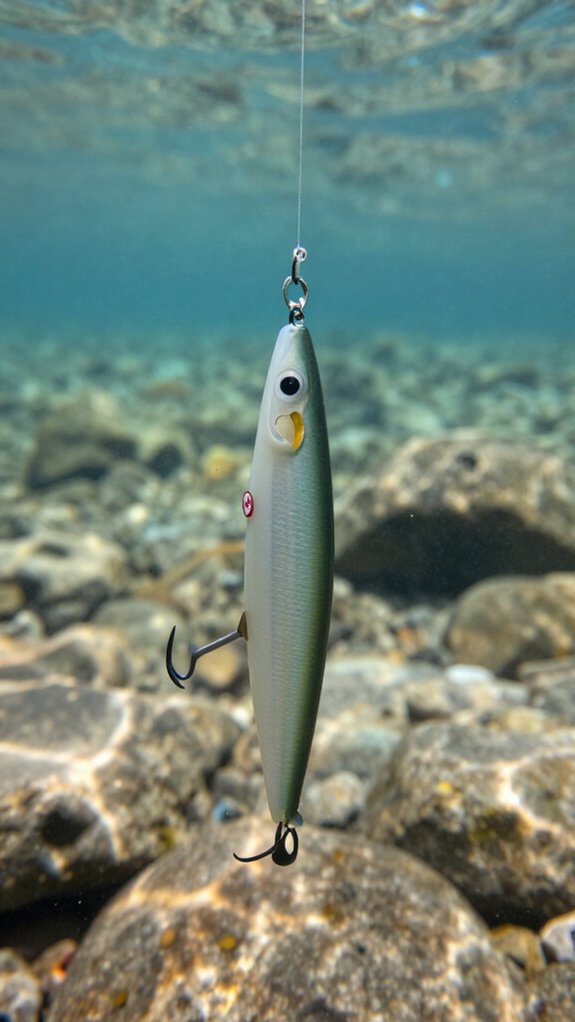
I’ll show you how to master the drop shot rig by breaking down its assembly essentials, presentation techniques, and the conditions where it truly shines.
You’ll learn to tie the perfect Palomar knot and position your weight for that irresistible fluttering action that suspended bass can’t resist.
Whether you’re facing cold water lethargy or crystal-clear depths where traditional rigs fail, this finesse approach will revolutionize your success rate.
Rig Assembly Essentials
When I’m targeting suspended bass that won’t commit to moving baits, I reach for a drop shot rig because it lets me hover a soft plastic exactly where the fish are holding with almost surgical precision.
Rigging the Components
I start rigging by tying a hook to my main line with a Palomar knot, leaving a 12-24 inch tag end. I thread the hook through the bait’s nose or midpoint with the point facing upward, this prevents snagging and lets the bait dance naturally. I attach the weight to the line’s end, which gives me precise depth control for vertical presentations.
| Component | Setup Details | Purpose |
|---|---|---|
| Hook | Palomar knot, point up | Clean hooksets, reduced snags |
| Weight | Tag end or bottom | Depth precision, vertical fishing |
| Leader | 12-24 inches | Suspends bait at target depth |
| Bait placement | Nose or midpoint | Natural hovering action |
| Depth adjustment | Vary leader length | Match suspended fish level |
Adjusting leader length lets me target specific depths, making this rig deadly in deep or clear water where bass suspend and get finicky.
Presentation Techniques
You’ve got the rig built, but the magic happens in how you work it through the water column. With my drop shot rig setup, I position that hook 12-24 inches above the weight for surgical depth control, letting me park my bait exactly where suspended bass are holding.
Here’s how I dial in the presentation:
- Nose-hook your bait — I thread it through the tip so it dangles naturally, minimizing snags while allowing subtle bait movement that drives finicky fish wild.
- Tie with a Palomar knot — this keeps everything oriented upright, so my soft plastic hovers horizontally like the real thing.
- Work it slow and gentle — Long pauses with tiny twitches mimic wounded baitfish. When bass get lethargic, that minimal movement is what seals the deal.
Optimal Conditions
Because the drop shot rig thrives in specific scenarios, I reach for it whenever I’m staring down at bass suspended in that frustrating mid-water limbo, especially when the water’s clear enough that fish can scrutinize every twitch of my bait.
When Finesse Fishing Shines
I rely on this rig for finesse fishing when bass turn finicky. The weight sits below my nose-hooked bait, letting me hold that worm dead-still at exact depths—usually 12 to 24 inches up. That’s precision you can’t get elsewhere.
Reading the Water
Clear water demands subtlety. I’ll drop this rig into 15-30 feet where bass hover, barely moving my rod tip. The fluttering presentation triggers cautious biters refusing faster-moving lures.
When they’re suspended and stubborn, nothing matches this setup.
Ned Rig vs. Wacky Rig: Cold Water and Pressured Fish
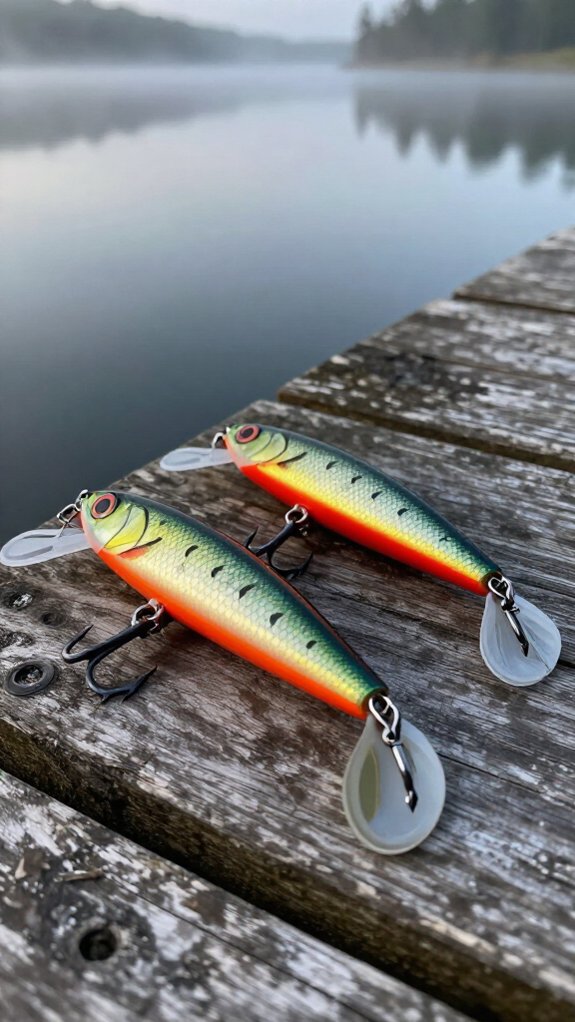
I reach for the Ned Rig more often than the wacky rig when the water’s cold and the fish have seen every lure under the sun. The ned rig’s compact, unassuming profile mimics vulnerable prey perfectly for cold water scenarios where bass slow down and scrutinize everything.
Here’s why it wins for pressured fish:
- Weedless design lets me work tight cover without snagging
- Natural jigging action triggers bites without spooking wary bass
- Minimal splash and vibration matches their reduced feeding energy
Don’t write off the wacky rig entirely, its slow, pulsating fall can tempt stubborn biters. But when bass bury deep in timber or rocks during frigid, high-traffic days, I find the ned rig’s subtle hops and stand-up posture convert more follows into bites.
I keep both ready, yet I trust the Ned Rig to deliver when conditions toughen.
Neko Rig: Vertical Presentations Without the Snags
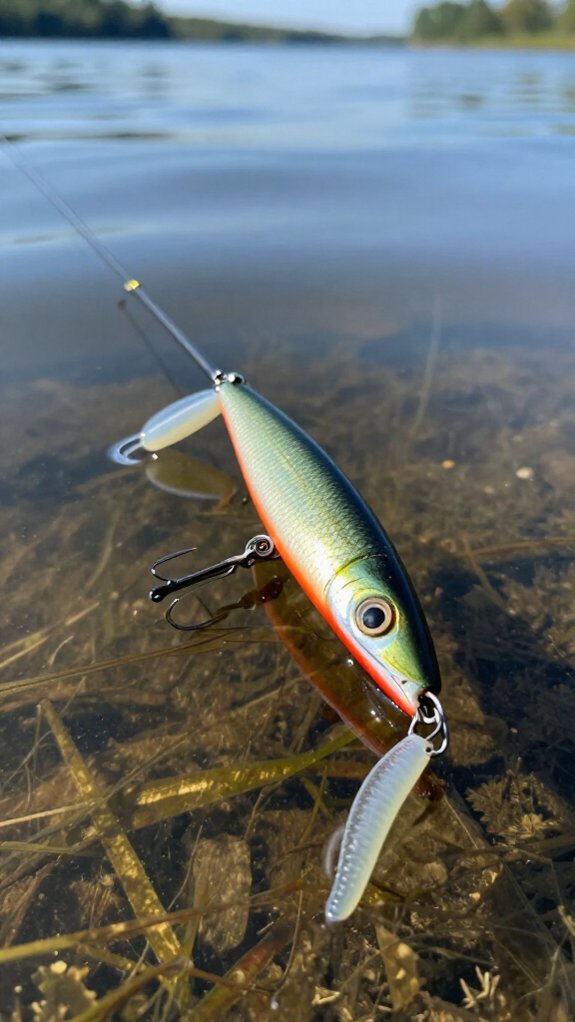
When I’m probing deep brush piles or timber lines where a drop shot would hang up every third cast, the Neko Rig gives me that same vertical, nose-down posture without the constant snagging.
Building Your Presentation
I start by pressing a nail weight into the nose of my soft plastic bait, usually a straight-tail worm or senko. That weighted nose forces the bait to stand upright, wobbling naturally with every twitch of my rod tip. Unlike a drop shot, the hook rides free-swinging, which means better hook penetration when bass strike.
The Skin-Hooked Advantage
I skin hook the worm through its back with a specialized Neko hook, creating a snag-resistant profile that slides through timber and rock. A split ring and straw segments add lifelike articulation.
For suspended, finicky bass in deep water, this combo delivers strikes I’m missing with other setups.
Punch, Tokyo, and Free Rigs: Three Ways to Beat Heavy Cover
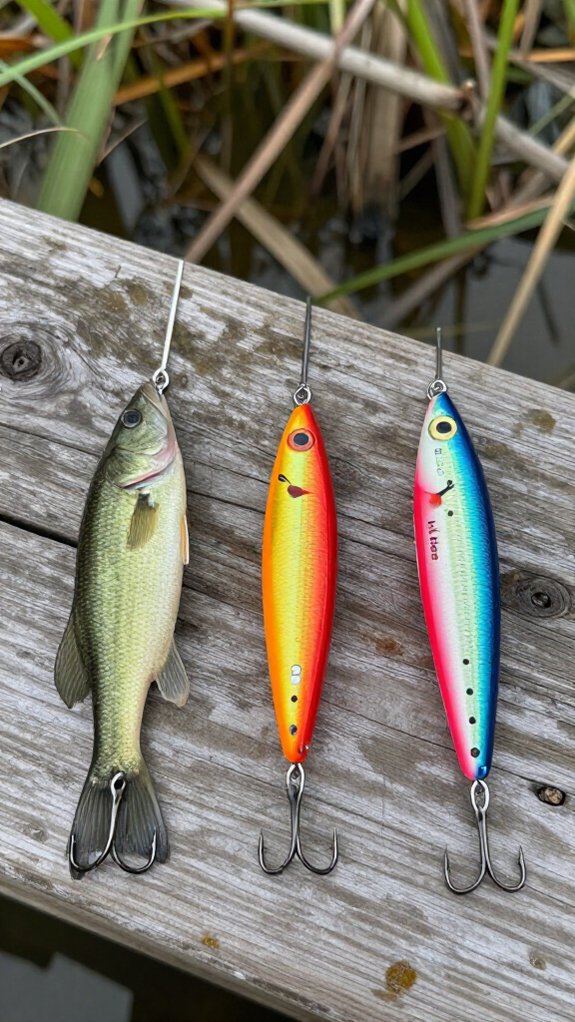
Though the Neko Rig handles timber and brush beautifully, there comes a day when the bass bury themselves so deep in vegetation that nothing less than brute force will reach them. When that happens, I turn to three specialized setups designed specifically for punching through impenetrable cover.
Here’s how I beat the thickest mats:
- Punch rig – I thread a one-ounce or heavier tungsten weight onto braided line, rig a bulky soft plastic with a punch skirt, and drive it straight through lily pads and matted hyacinth. The weight punches a hole, the skirt and plastic trigger reaction strikes from bass waiting below in the shaded cool.
- Tokyo rig – I slide a sinker onto the wire arm, keeping my hook completely weedless while maintaining precise vertical control. This setup lets me hover and twitch my bait exactly where bass hold without snagging every stem.
- Free rig – I drop the weight entirely, relying on slow, deliberate rod work to tease bass out with zero resistance. It demands patience, but finicky fish in ultra-thick grass often reward this subtle approach.
Umbrella and Donkey Rigs: When Multiple Lures Outproduce One
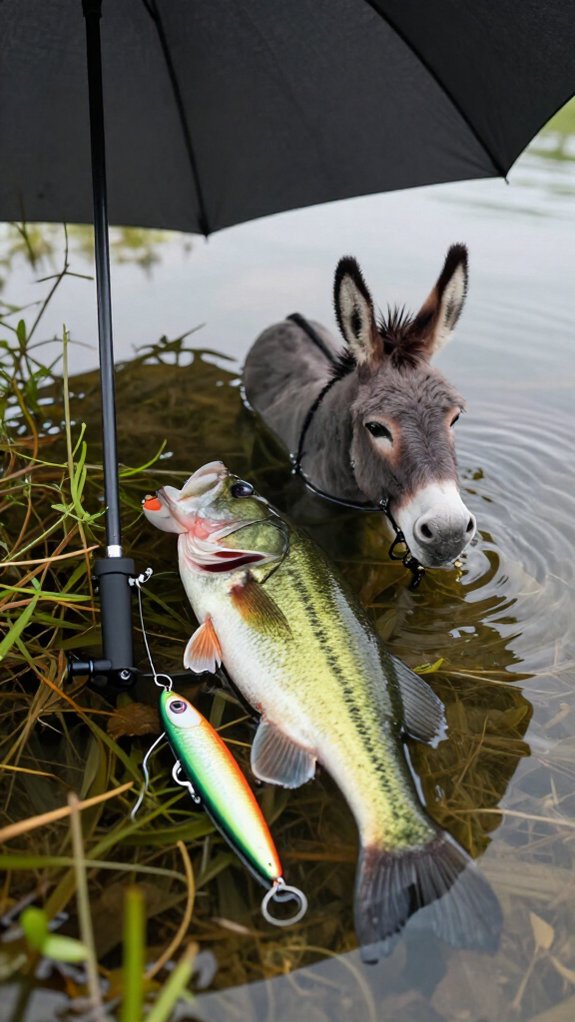
Because bass often hunt in packs when chasing baitfish, I’ll sometimes abandon single-lure tactics entirely and reach for rigs that put multiple baits in the strike zone at once.
The Umbrella Rig mimics a small baitball with soft plastics attached to a central wireframe, triggering competitive instincts when fish feeding behavior turns aggressive. I’ll deploy this when bass school in open water, creating visual chaos they can’t ignore.
The Donkey Rig (Double Fluke) presents two lures at different depths, doubling my strike opportunities without extra casts.
| Rig | Best Conditions | Key Advantage |
|---|---|---|
| Umbrella Rig | Open water schooling | Mimics live baitball |
| Donkey Rig | Suspended fish | Dual depth presentation |
| Both rigs | High-pressure lakes | Increased movement/disturbance |
| Multiple lures | Post-frontal periods | Triggers reaction bites |
| These setups | Covering water fast | Variable speeds/actions |
Multiple lures simply outproduce single offerings when bass compete for meals.
Frequently Asked Questions
What Is the Best Rig Setup for Bass Fishing?
I choose my rig based on conditions: Texas for thick cover, Carolina for open water, or Drop Shot for suspended bass in clear depths. Matching the setup to water clarity and structure optimizes my success.
How to Set up Lures for Bass Fishing?
Setting up lures is like threading a needle through water’s mysteries, I match the bait to conditions, tie Palomar knots with steady hands, rig plastics straight so they dance naturally, then test and retweak until everything sings.
What Lure Was Banned From Bass Tournaments?
I’ve seen live bait banned in B.A.S.S. tournaments since 2011, along with certain scented soft plastics and modified lures with concealed weights that create unfair advantages in competitive bass fishing.
How Old Would a 20 Lb Bass Be?
I’m going to tell you about a 20-pound bass I read about from Texas, it was 12 years old when biologists checked its otoliths. I’d estimate your 20-pounder falls between 8-15 years, depending on food and habitat quality.
In Conclusion
I’ve walked you through every rig you’ll need to match bass wherever they hide. Now envision this: morning mist rising off the water, your line slicing through lily pads, and that sudden thump that sets your heart racing.
That’s the moment all this setup work pays off. Match your rig to the cover, trust your gear, and fish with confidence. The bass are waiting, you’re ready.