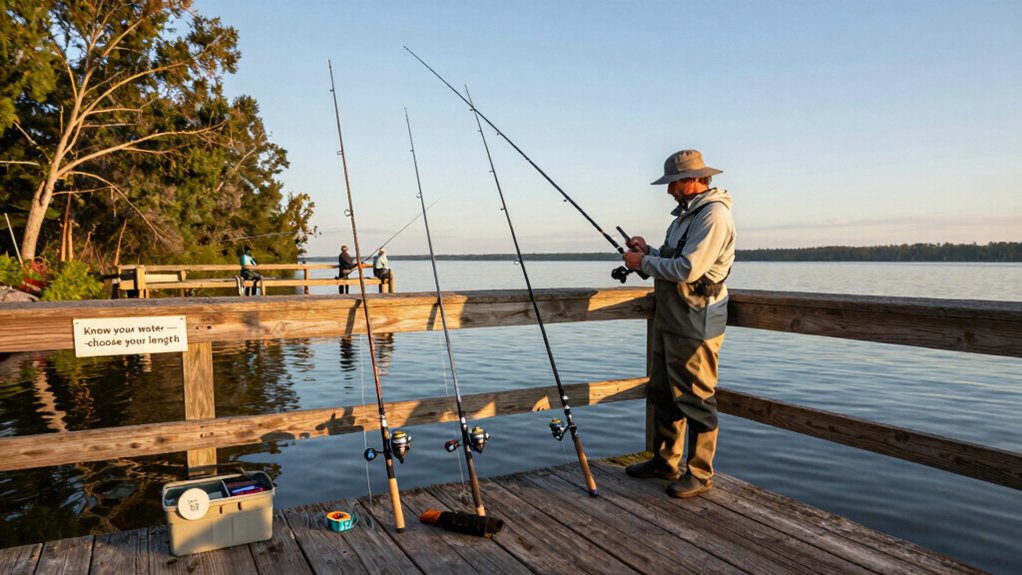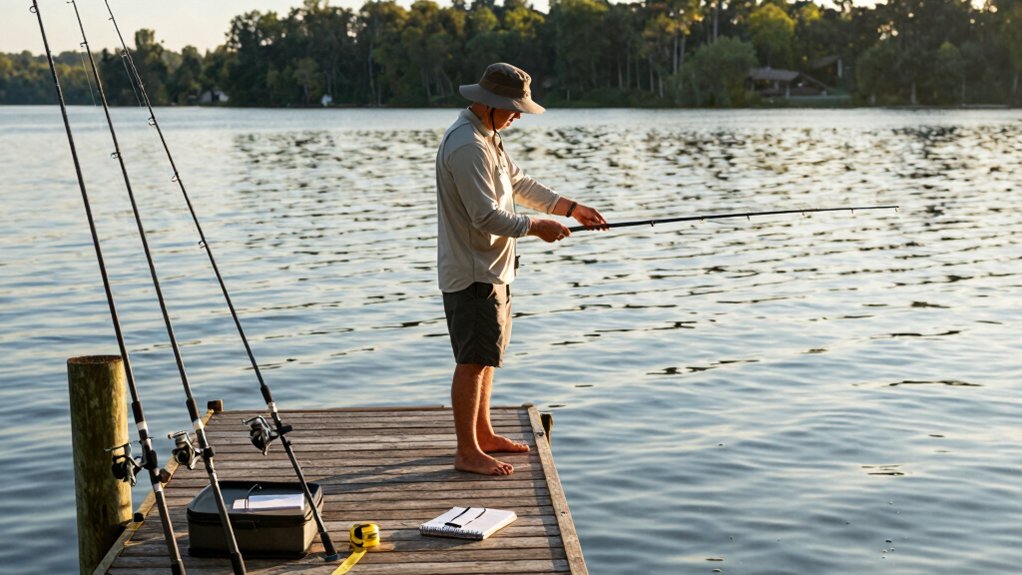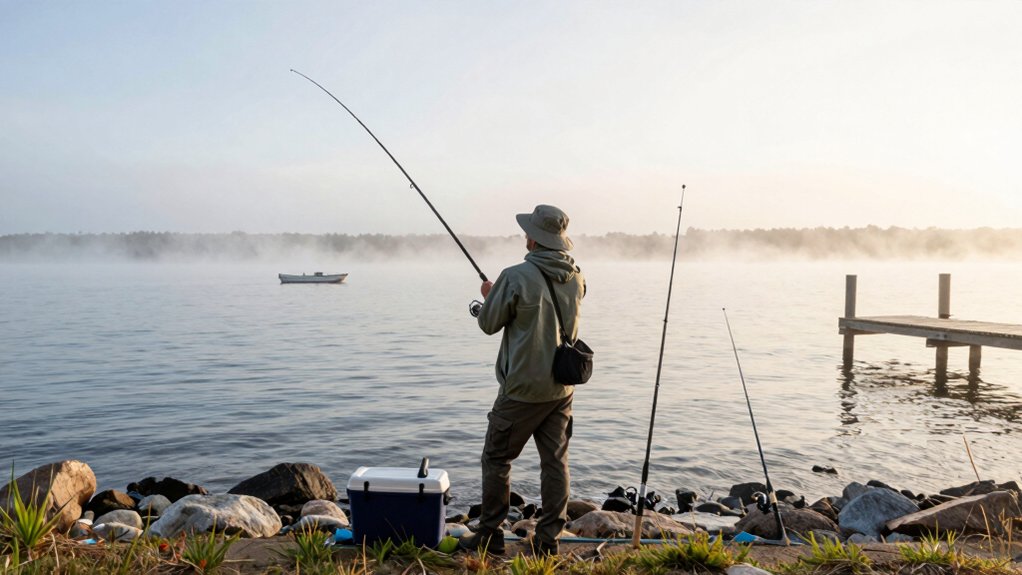
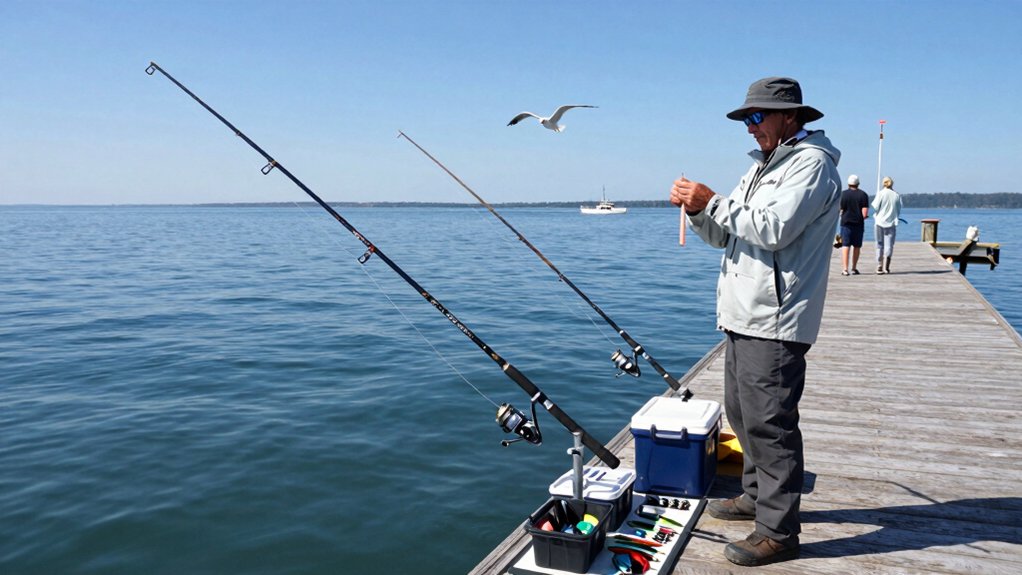

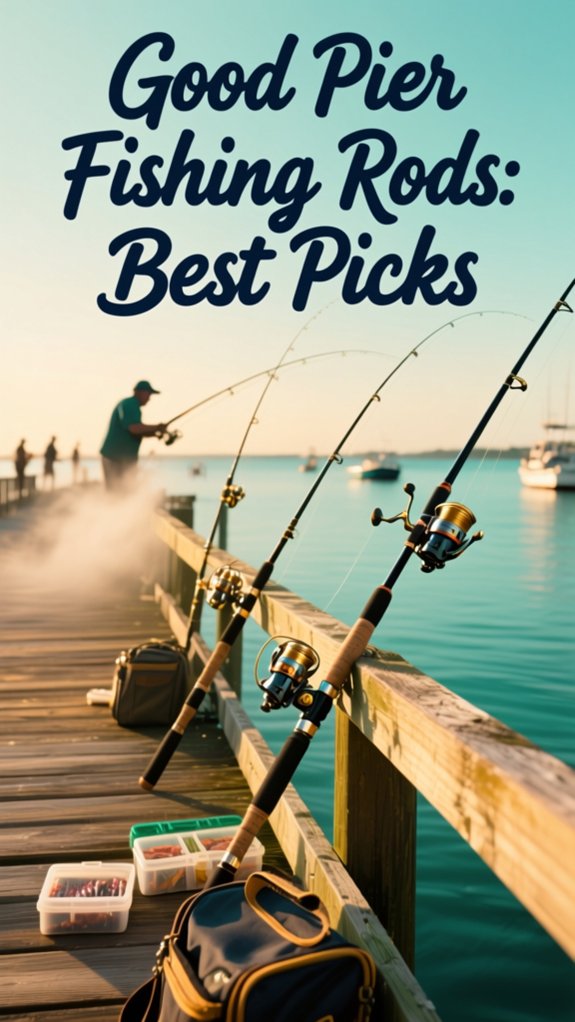
A good fishing rod for pier fishing is a 7 to 8-foot medium-heavy, fast-action rod built for saltwater, with corrosion‑resistant guides and a sealed reel seat. I’ve seen most anglers land more fish using this setup because it balances casting distance, sensitivity, and power.
Pair it with a 3000–4000 spinning reel, braid, and a fluorocarbon leader, and you’re ready for snook, redfish, or even king mackerel with a bigger 5000+ reel. Want to know which specific rods outlast the salt and land the trophy?
What is a good pier fishing rod?
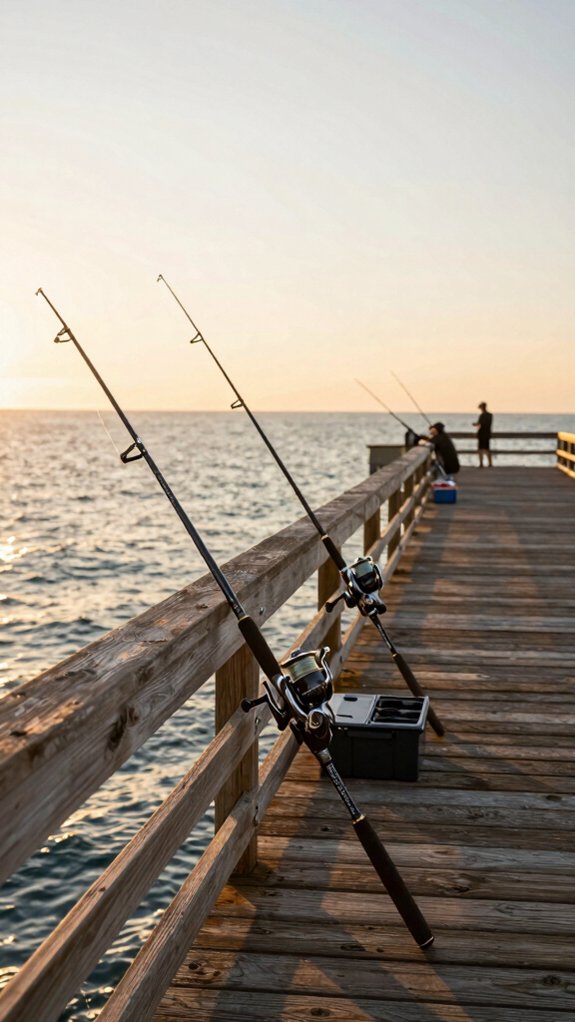
When you’re standing on a busy pier, rod in hand and salt spray in the air, the last thing you want is gear that lets you down, so a good pier fishing rod is one that balances length, power, and durability to handle everything from feisty trout to hard-charging reds.
A 7–8 foot pier rod with medium‑heavy power gives you reach for casting and control when fighting fish. Pair it with a 3000–4000 spinning reel loaded with 20–30 lb braid for strong, reliable performance.
I prefer Ugly Stik-style fiberglass or composite rods, they survive bumps and drops better than graphite.
For best results:
- Match your spinning reel to the rod’s specs
- Use braid for sensitivity and long casts
- Keep a backup rod ready
Durable, well-matched gear means more fish and fewer headaches.
How to choose a pier fishing rod
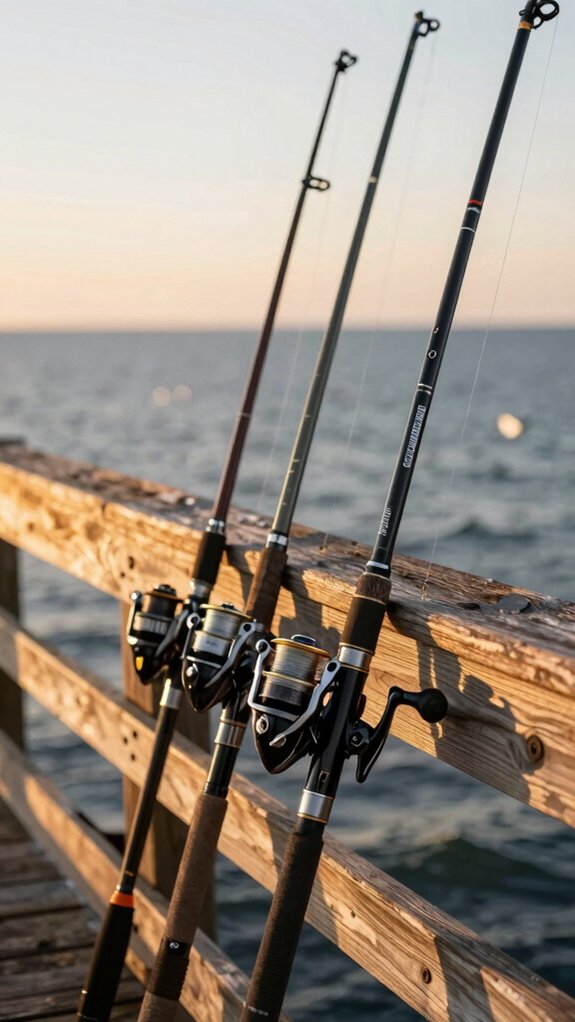
When picking a pier fishing rod, I always start with a 7 to 8-foot medium or medium-heavy model because it handles everything from light jigs to bull reds. I match it with a 3000–4000 spinning reel and 10–30 lb line, depending on whether I’m tossing small plugs or heavy bait for hard-pulling kings.
A saltwater-ready rod with stainless guides and a sealed reel seat lasts longer on the pier, and I keep two setups ready, one lighter for trout and pompano, one heavier for toothy predators, so I can switch fast and stay in the action.
length choice
Picking the right rod length is often the game-changer between reeling in that hard‑fighting kingfish or watching it vanish behind a piling. Get this wrong, and you’ll struggle with casting distance or lack the leverage when fish dive for cover. Here’s how to nail it:
- Go with a 7–8 foot rod for a solid balance of casting distance and control, perfect for most pier species.
- Choose an 8–9 foot rod when soaking baits for kings or big reds; the extra length helps with reach and cranking power.
- Use a shorter 6.5–7 foot rod for lighter lures and precise casting in tight spots.
- Need one go‑to option? A versatile 7‑foot setup handles about 80% of pier fishing situations.
- Match rod length to your target, longer rods cast farther, shorter ones offer better accuracy.
Your back’ll thank you after a long session with the right fit.
power and action
While you’re scanning the water for the next bite, the power and action of your rod are already shaping your chances of landing it, so I never skip this step when rigging up.
For most pier fishing, I go with medium-heavy power and fast action. It gives me the backbone to handle blues and jacks, plus that responsive tip for feeling light bites and driving hooks home.
Here’s my quick guide:
| Power | Action | Best For |
|---|---|---|
| Medium-heavy | Fast | 1/2–2 oz lures, 7-8 foot rods |
| Medium | Moderate-fast | Lighter spinning reel setups |
| Heavy | Extra-fast | Big reds, heavy sinkers |
I pair MH rods with 4000–6500 spinning reel sizes and trust composite blanks like Ugly Stiks when I’m bumping pilings. They’re tough, forgiving, and perfect for beginners and pros alike.
rod materials
Your rod’s material makes a real difference in how well you feel that subtle pompano nibble or survive a hard slam against the pier pilings, so let’s talk blanks.
Choosing the right material impacts sensitivity, durability, and overall performance:
- Go with graphite for lightweight casting and superior sensitivity when targeting finesse species like pompano or snook.
- Pick fiberglass if you’re bouncing lures off pilings, its toughness handles constant impact resistance.
- Consider a medium‑heavy power rod if you’re after kings or reds, it pairs well with heavy braid and strong drag settings.
- Always check for corrosion‑resistant guides (like Fuji or Alconite) and sealed reel seats to fight off saltwater damage.
- Hybrid options like Ugly Stik offer a smart balance, great for beginners or budget‑conscious anglers.
Trust me, the right blank saves your setup, and your day.
reel pairing
Match your reel to your rod like you’re building a fishing dream team, because on the pier, where tarpon make sudden moves and snook vanish into shadows, a balanced setup wins every time.
For most pier fishing, I pair a 7–8 ft medium or medium-heavy spinning rod with a 3000–4000 reel size. A 4000 is my go‑to, plenty of line capacity for 200–250 yards of 10–20 lb mono or braid.
When chasing kings or reds, I bump up to an 8–9 ft rod and 5000–6500 reel spooled with 20–30 lb braid.
Always check line ratings and lure weight limits. Match your rod’s specs so casting stays smooth and hooksets stay sharp.
And don’t skip saltwater‑rated guides and smooth drags, your reel’s life depends on it when fish run hard.
line and lures
Cast with confidence by picking a rod that’s ready for both the lures you throw and the line you run, because on the pier, where stripers dart at dawn and bluefish blitz at dusk, your setup’s success starts with smart line and lure choices.
For pier fishing, match your rod’s lure rating to what you’re casting, aim for 1/2 oz to 2 oz to handle spoons, jigs, and plugs safely. Pair it with a reliable spinning reel (3000–4000 size) and 10–20 lb mono, or step up to 20–30 lb braid for distance and heavy bait.
Don’t forget:
- Use fluorocarbon leaders (12–18 lb) for stealth around wary fish
- Add wire leaders for toothy species like Spanish mackerel
- Choose a medium‑heavy rod for kings, jacks, or bull reds
- Top braid with mono shock leaders when casting heavy sinkers
- Match rod power to your target species for better control and fun
Best rod size for common pier fish
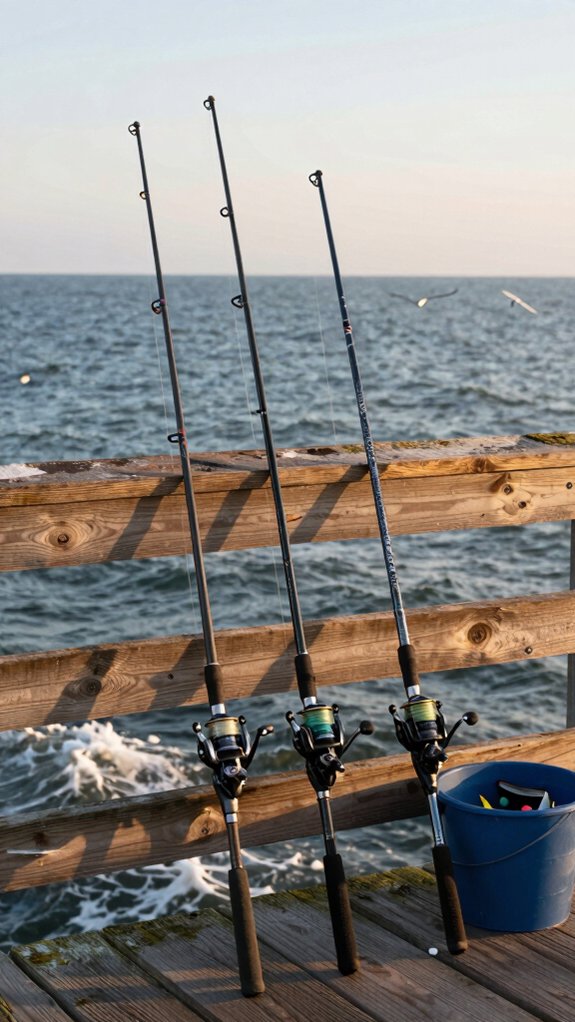
Most of the time, a 7–8 foot medium to medium-heavy spinning rod with a fast or moderate-fast action is all you need to handle the majority of fish you’ll hook from a pier. For typical pier fishing, think spot, bluefish, or small jacks, this 5–9 foot sweet spot gives you casting accuracy, solid hooksets, and enough backbone.
If you’re targeting lighter inshore species like pompano or whiting, switch to a medium-light inshore rod around 6.5–7 feet. But when kings or bull reds are in play, step up to a heavier medium-heavy rod.
Pro tip: A fiberglass hybrid blank is a smart, budget-friendly pick, it handles bumps and drops better than fragile graphite.
Keep two rods handy: one shorter for lures, one longer for bait. That way, you’re ready for anything.
Which rod and reel combos work best?
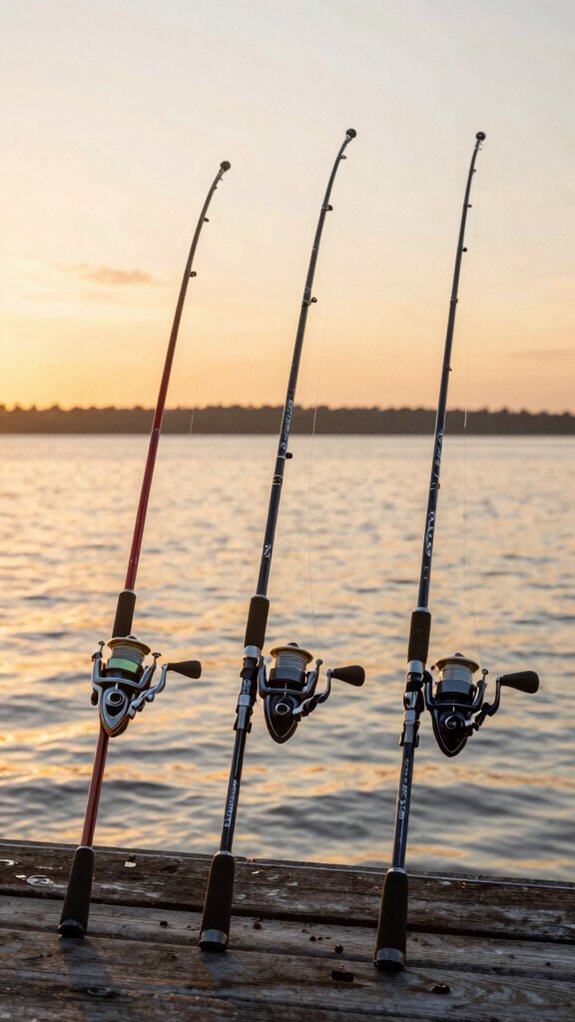
You’ll want a rod and reel combo that matches what you’re after, and I’ve found the right balance makes all the difference on the pier.
For everyday fishing, a 7′ medium‑power fast‑action rod like the Ugly Stik Inshore paired with a 3000–4000 size reel (think Penn Battle or Daiwa BG) gives you plenty of punch for snapper, trout, and small jacks while handling 10–20 lb line without breaking the bank.
If you’re chasing bigger fish, like kings or bull reds, step up to a 7.5–8.5′ medium‑heavy rod with a 5000–6500 reel, or stick with a beefed‑up 4000 spooled with 20–30 lb braid and a shock leader for extra stopping power.
budget combos
A solid budget-friendly spinning combo can make all the difference when you’re tossing bait off a concrete pier under the midday sun or battling a hard-pulling jack crevalle at dusk.
For pier fishing, I always recommend starting with a medium or medium-heavy rod paired with a 3000–4000 reel, this setup balances power, casting ease, and line capacity.
Look for corrosion-resistant parts, especially on reels, since saltwater wreaks havoc on cheap metals.
Here’s what I’ve found works best on a budget:
- Ugly Stik Inshore or Carbon combos offer unbeatable durability and value
- They handle 10–20 lb line and 200+ yards with ease
- Daiwa and Penn combos ($150–$200) add smoother drags and metal bodies
- Upgrade to an 8–9 ft medium-heavy rod with 4000–6500 reel for heavy bait
- Prioritize fast-action blanks and corrosion-resistant seals for longer life
midrange combos
| Feature | Why It Matters | My Pick |
|---|---|---|
| Rod Action | Fast tip for casting & hooksets | 7’6″ medium-heavy fast |
| Reel Size | Smooth drag & capacity | 4000 reel (Daiwa BG, Penn Fierce III) |
| Line | 20–30 lb braid or 10–20 lb mono | Add wire leader for toothy fish |
| Durability | Corrosion resistance | Ugly Stik Inshore + 4000 reel |
A quality midrange rod handles daily saltwater abuse and outperforms entry-level gear, trust me, it shows when the bite turns hot.
heavy-duty combos
When the bite turns heavy and the fish aren’t messing around, think charging king mackerel, bulldog redfish, or hard‑striking bluefish, you’ll want a heavy‑duty combo that won’t quit.
My go‑to pier combo for these beasts is a 7.6–8 ft medium‑heavy to heavy fast‑action rod paired with a 6000–8500‑class spinning reel.
Here’s what seals the deal:
- Spool it with 20–30 lb braid for max sensitivity and drag strength
- Always add a 2–4 ft steel braid leader to stop cutters like mackerel
- Use 1/2–3 oz lures or heavy bait to punch through strong currents
- Match rod power to 4–8 oz sinkers when bottom fishing for drum
- Go with durable builds, Ugly Stik Inshore and Penn Battle reels handle abuse
This setup balances power and control, so you land hard‑pulling fish without heartbreak.
Common pier rod mistakes to avoid
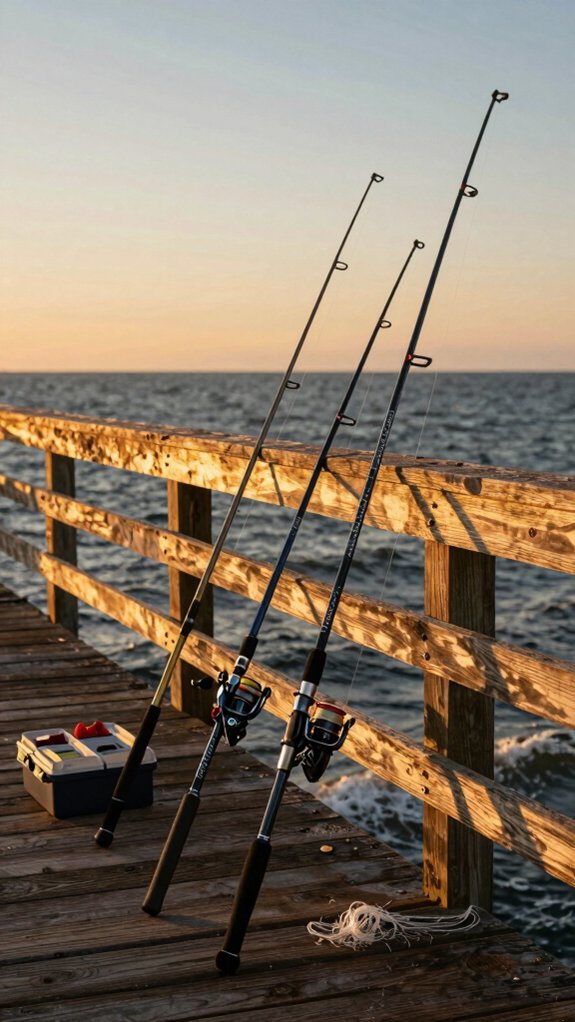
If you’ve ever struggled to cast far, lost fish to weak hooksets, or watched your rod deteriorate after just a season on the pier, you’re not alone, many anglers unknowingly make gear choices that sabotage their success.
For pier fishing, matching your rod to the task is key. I used to blow past fish because my slow rod couldn’t deliver plugs, now I swear by a fast action tip for sharper casts and solid hooksets. And don’t skimp on durability: salt eats gear alive, so I only use corrosion‑resistant guides and sealed reels.
One big lesson? Never run braid leader without proper mono or wire, too many cut-offs from blues and king mackerel taught me that.
Also, avoid oversized sticks. A 7–8 ft medium‑heavy rod handles most pier species without wrecking your arms.
Finally, skip one-size-fits-all setups. Carry two rods: one light for jigs, one beefier for heavy baits.
How do I maintain pier fishing rods?
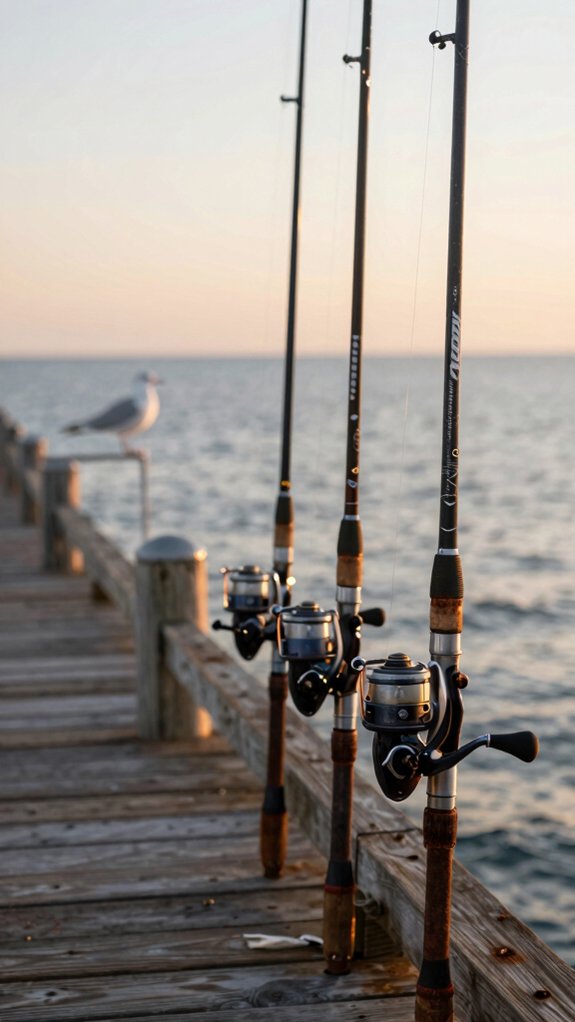
Honestly, I rinse my pier rod after every single trip, no exceptions, because saltwater corrosion is the silent killer of fishing gear.
Keeping your setup in top shape means better casts, longer life, and fewer snapped lines.
Here’s my simple maintenance routine:
- Rinse rods with fresh water right after fishing, just a gentle spray to wash away salt and grit.
- Wipe down guides and reel seats with a soft cloth and corrosion-protectant like Reel Magic; let it dry fully.
- Inspect guides weekly, run a cotton ball through them to catch nicks that could fray your line.
- Lubricate reel contact points (threads, handle) with light oil and clean the blank with soapy water when needed.
- Always store vertically in a padded rack, away from sun and heat to prevent warping.
Do this, and your rod will outlast the pier itself.
Frequently Asked Questions
What Is the Best Rod to Use for Pier Fishing?
I’d grab a 7.5-foot medium-heavy spinning rod with fast action, it casts far, handles most fish, and stands up to pier abuse. Pair it with a 4000 reel and braid, and I’m ready for anything from trout to bull reds.
What Size Fishing Rod for Pier Fishing?
I’d say a 7 to 8-foot rod’s ideal for most pier fishing, it gives me great casting distance and control. If I’m after bigger fish, I’ll grab a 9-foot rod for extra power and reach.
Is a 4000 Reel Good for Pier Fishing?
Yeah, a 4000 reel’s great for pier fishing, I use mine all the time. It handles big fish, casts far, and with 20–30 lb braid, I’ve landed everything from mackerel to small kings without getting spooled.
What Is the Best Setup for Pier Fishing?
I’ve tested this theory, yes, a 7’6” medium-heavy rod with a 4000 reel and 25 lb braid crushes it. I cast farther, handle bruisers like kings, and stay ready for anything. That’s why I trust it every pier trip.
In Conclusion
So yeah, the best pier fishing rod? It’s basically a 7–8 foot, medium-heavy hero that won’t snap when you finally hook that monster instead of just another barnacle. Pair it with a 4000 reel, braid, and fluorocarbon, because losing fish to weak gear stings more than a jellyfish kiss.
Skip the dollar‑store special; your backcast shouldn’t include half the pier. Keep it clean, rinse it, love it. Simple.