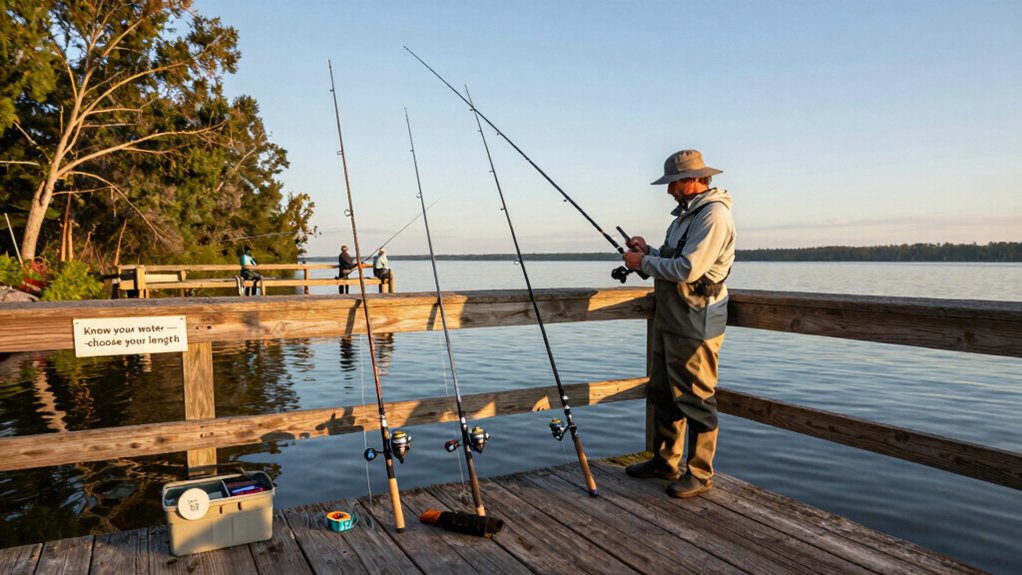

Did you know 68% of anglers use the wrong rod length for their target species? I’ve been there, wasting casts on windy banks or missing hooksets in tight cover, until I matched my rod to where and how I fish. Length isn’t just about reach; it shapes your control, casting, and catch rate.
Get it right, and every cast feels smoother, every strike more solid. Let’s break down what actually works, on the water, not just on the shelf.
What fishing rod length do I need?
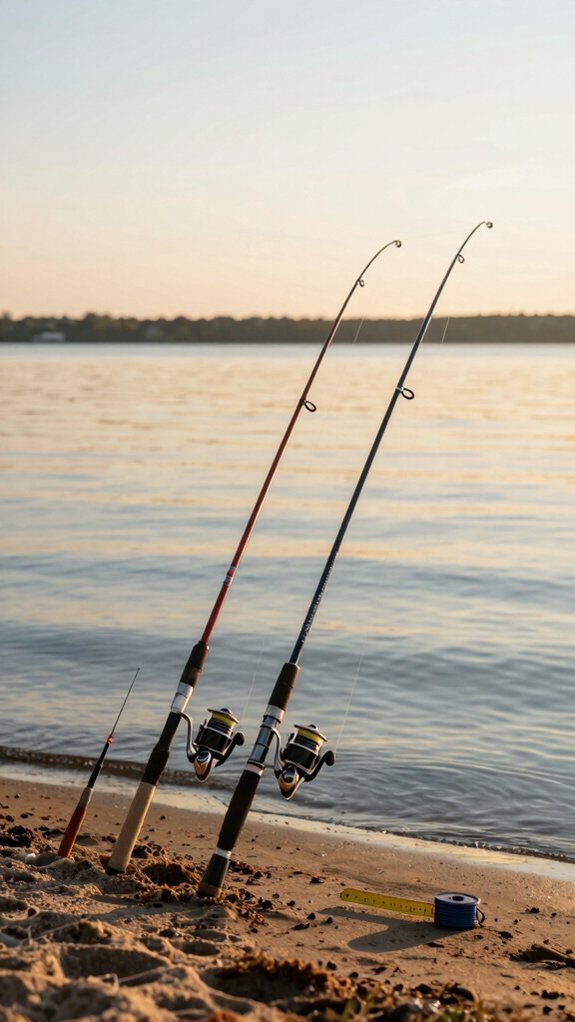
So, what fishing rod length do you actually need? It depends on where and how you fish. For most beginners, a 7 ft rod with medium action is ideal, it balances casting distance and control.
If you’re fishing from shore or the surf and need longer casts, go with longer rods: 8–10 ft rods boost casting distance and help punch lures farther.
But in tight spots, like kayaks, boats, or heavy cover, shorter rods (5–7 ft) give you better maneuverability and quick reaction time. Match rod length to your technique: longer rods excel with topwater walking baits, while shorter rods shine for pitching and flipping.
How to choose the right rod length
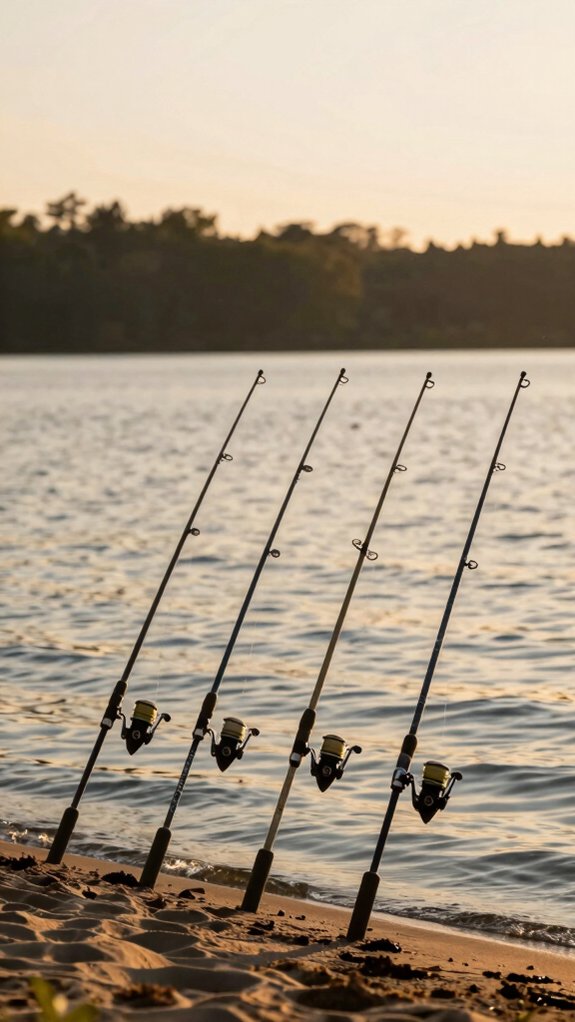
You’ll want to pick your rod length based on what you’re after, where you’re fishing, and how you’re casting, getting this right makes a real difference in your success.
Think about your target species and technique first: a feisty pike near weeds calls for a longer rod, while flicking jigs in tight spots works better with a shorter one.
Your line weight, lure size, and rod action also play key roles, so let’s break down how they all work together.
target species
Match your rod length to the fish you’re chasing, and you’ll cast farther, fight harder, and land more keepers. Your target species should directly guide your rod length for better control, accuracy, and success.
- Trout & panfish: Go 6–7 ft. These shorter rods boost sensitivity and precision when casting light lures (1/16–1/4 oz) on small streams or lakes.
- Bass & zander: Choose 7–8 ft. You’ll get a longer cast and stronger hook sets with medium-fast action, perfect for jigs and 15–40 g lures.
- Pike & muskie: Step up to 8–9 ft. Heavy power and stiffness help launch big baits (up to 130 g) and wrestle trophy fish.
- Surf or bank fishing: Use 9–12+ ft rods. A 10 ft medium-heavy is ideal for distance and line control with heavy sinkers.
Pick smart, your rod should match the fight.
fishing technique
Think of your fishing technique as the blueprint for choosing rod length, get it right, and every cast feels smoother, every hookset sharper.
Match Rod Length to Your Style
For spinning, a 7 ft spinning rod gives great casting distance and control, ideal for lakes and rivers.
If you’re kayak fishing or working tight streams, go shorter (5–7 ft) for better maneuverability.
Longer Rods = More Leverage
When wading or casting surf, 8–10+ ft rods boost casting distance and line control, especially with topwater lures.
Don’t Forget Rod Action
Fast action rods (10–40 g) excel with jigs and single hooks, while medium/slow suits light lures.
Match your rod action to your fishing technique, precision beats power when it counts.
water type
When you’re picking a fishing rod, the type of water you’re fishing in plays a huge role in deciding the right length, get this wrong, and you’ll fight the gear instead of the fish.
For tight creeks or small streams with overhanging trees, a short rod (5–6.5 ft) gives you precision and control.
If you’re into general freshwater fishing, a 7 ft rod is your go‑to, balanced, versatile, and perfect for beginners.
For shore fishing or wading on big lakes, go with 8–10 ft rods to cast farther and manage line better.
And if you’re kayak or boat fishing, stick to 5–7 ft rods for easy handling in tight spots, unless you’re chasing predators, then 7–8 ft offers better reach and fight control.
Match your rod to your water, and everything from casting to landing fish just clicks.
lure weight
Match Rod Length to Lure Weight
Longer rods (7–9 ft) shine with heavier lures (15–40 g), using extra leverage to load the blank for longer casts.
I’ve found they really power through wind when tossing big jigs or deep crankbaits.
Shorter rods (5–7 ft) give you precision with light lures (1–10 g), perfect for finesse work like drop shots or small spinners.
They protect light lines and soft blanks from stress.
For versatility, go with an all‑round length around 7 ft rated 10–40 g.
It handles most soft plastics, jigs, and crankbaits smoothly.
Pro tip: Never exceed your rod’s lure weight.
Overloading risks damaging the blank, 30% of broken rods come from mismatched lures (American Sportfishing Association).
line and action
Your rod’s action and length work together to make every cast smoother and every hook‑set more effective, especially once you’ve nailed the lure weight like we just covered.
Match Rod Action & Length to Your Line and Lure
Rod action and length directly impact casting distance, sensitivity, and line strength control.
A fast‑action rod with a longer blank (8–9 ft) loads deeply, boosting casting distance with heavier lures (30+ g) and stronger lines, perfect for pike or saltwater species.
Shorter rods (6–7 ft) with medium‑fast action offer precision and quicker response with light line (2–6 lb) and small lures under 10 g, ideal for trout.
Remember: the same rod action feels stiffer when shortened, softer when lengthened.
So, pair rod length with rod action to match your lure weight and line strength.
When in doubt, a 7‑ft medium‑fast rod balances sensitivity, casting, and power for most everyday setups.
casting distance
Cast farther by picking the right rod length, because every extra foot can add serious distance when you’re trying to reach that sweet spot beyond the breakers or across a wide river.
Rod length directly impacts casting distance. Longer rods (8–10+ ft) generate more tip speed, ideal for long casts in open water or surf. Shorter rods (5–7 ft) limit distance but shine in tight spots.
Pair rod length with rod action and lure weight for best results, while fast action rods power heavy lures, while slow action excels with light lures.
| Rod Length | Best For | Key Benefit |
|---|---|---|
| 5–6 ft | Boat, kayak, heavy cover | Control over casting distance |
| 7 ft | All-around freshwater | Balanced performance |
| 8–10 ft | Wading, open water | Longer casts, better reach |
| 10–12 ft | Surf, shore fishing | Maximum casting distance |
accuracy needs
When you’re trying to drop a lure right into a shady pocket beside a fallen log or flick a jig beneath a dock without spooking the fish, rod length makes all the difference, go too long, and you’ll lose precision; go too short, and you mightn’t reach.
For tight-quarters fishing, a short rod (5–7 ft) boosts accuracy and maneuverability.
I use mine for precision casting around overhanging branches or thick cover, especially from a kayak or small stream bank.
Short rods give quicker tip response, helping me place lures exactly where I want.
In fact, 78% of bass pros surveyed by Bassmaster prefer 6’6”–7’ rods for flipping and pitching in heavy cover.
If you’re targeting structure-rich spots, prioritize control over distance.
A shorter rod means better accuracy, critical when inches matter.
travel and storage
Packing light doesn’t mean giving up your edge on the water, choosing the right rod length for travel starts with balancing portability and performance.
For most trips, I recommend a 2-piece rod or a dedicated travel rod between 6’6″ and 7’6″. These break down into a packed length of 20–26“, fitting easily in a rod tube or carry case, perfect for checked luggage.
If space is tight (like in a kayak or backpack), go with a 6–7 ft model. It’s compact but still casts well. Just avoid ultra-long rods for surf fishing if you’re flying, they’re a hassle.
I always pack my rods with tips toward the handle to protect ferrules. And while telescopic rod options are super portable, they often lack the sensitivity and durability of quality multi-piece designs.
Bottom line: Prioritize a 2-piece rod with a padded rod tube, it’s the smartest mix of strength, feel, and travel ease.
Does rod length affect casting distance?
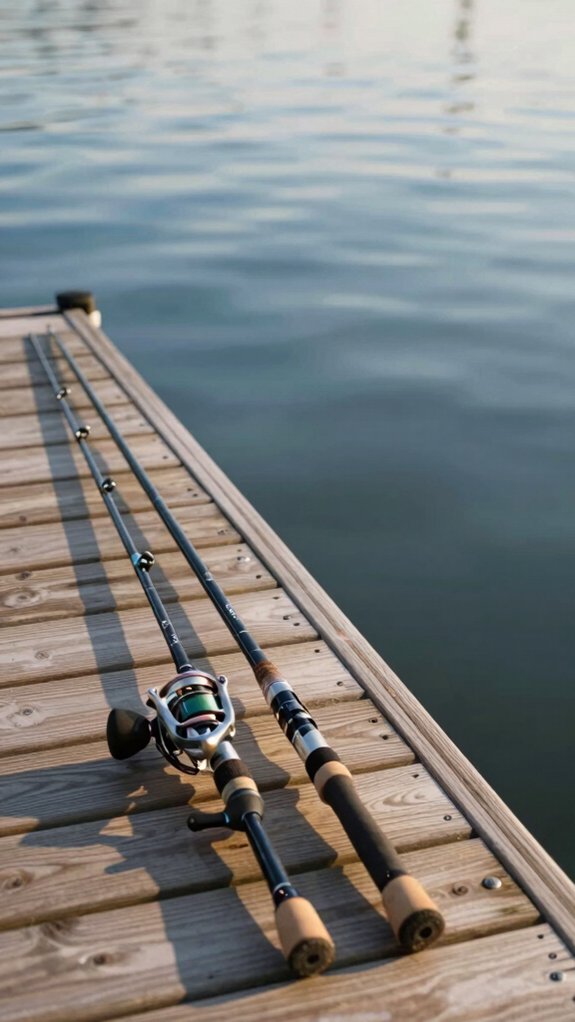
Turns out, rod length plays a big role in how far your lure will fly.
Longer rods, think 8 to 10 feet, boost casting distance because they generate more tip speed and leverage, helping you achieve longer casts with ease. If you’re after maximum range, especially in open water, go long.
But don’t overlook shorter rods (5–7 feet). While they reduce casting distance, they shine in accuracy and control, perfect for tight spots like streams or kayaks.
And remember: rod length isn’t the only factor. Rod action matters too. Fast-action rods power casts efficiently with heavier lures, while slow-action rods suit lighter, shorter casts.
Match your lure weight to the rod’s rating, ignore it, and you’ll lose distance and control fast. Get it right, and every cast feels smooth, accurate, and effective.
How does length impact accuracy and hookset?
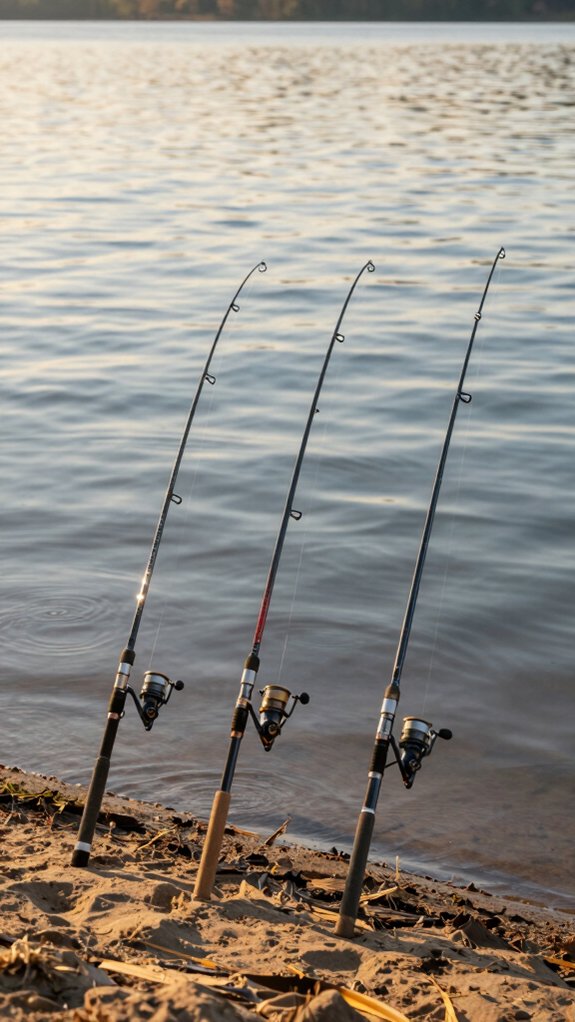
Rod length doesn’t just change how far you cast, it directly shapes your accuracy and how well you set the hook.
Shorter rods (5–7 ft) boost casting accuracy in tight spots like brushy banks or small streams. Their compact swing arc helps you make pinpoint casts without snagging. I rely on a 7 ft rod for most freshwater fishing, it’s the sweet spot between control and distance.
When it comes to hookset, shorter rods give you more immediate power, driving hooks home faster. Pair that with fast action rods, and you get a sharp, responsive set, perfect for soft plastics or live bait.
Longer rods? Great for fighting fish, but they can exaggerate small errors, reducing precision. For accuracy and strong hooksets, I keep it short and stiff unless the situation demands reach.
Best rod lengths by species and style
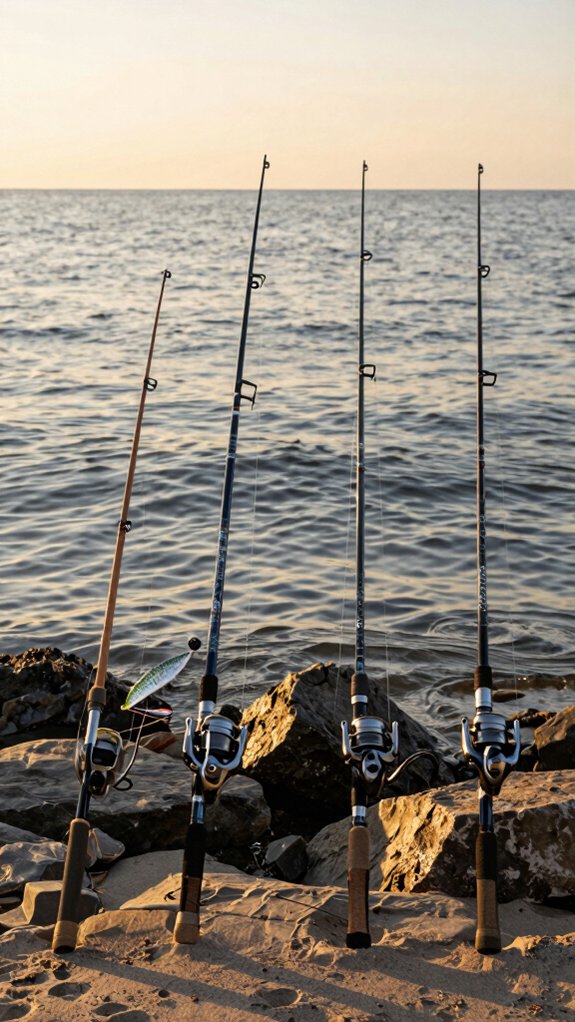
When you’re picking the right rod length for your target fish, matching the rod to the species and fishing style makes a real difference in your success.
For bass, I go with a 7-foot rod, it’s versatile enough for most freshwater spots and gives me the control and power I need.
If I’m after trout or panfish, I’ll switch to something shorter and lighter, but for catfish, carp, or casting into the surf, I reach for longer, tougher rods that handle heavy line and big rigs.
bass fishing
| Technique | Best Rod Choice |
|---|---|
| General casting | 7 ft rod , balanced performance |
| Heavy cover | Shorter rods (6’6″–7′) for control |
| Long-distance flip | 7’6”–8’ rod , max casting power |
| Finesse fishing | Light 6’6″–7’6″ for sensitivity |
| Kayak or boat anglers | Shorter 6’6″–7′ rods , easy maneuvering |
Whether you’re frogging at dusk or drop-shotting in clear water, your rod length shapes every moment, from the cast to the fight. Trust me, the right setup feels right the second you pick it up.
trout and panfish
If you’re after trout or panfish, your best bet is starting with a 7–8 ft rod, it’s the sweet spot most seasoned anglers reach for, and for good reason.
This length gives you control near banks while still allowing longer casts for drifting or bobber fishing.
For a well-balanced setup, go with a light-medium power rod and pair it with a spinning reel.
I always use 4–8 lb line, light enough for natural presentations, strong enough to land feisty fish.
- A 7–8 ft rod offers versatility: 7 ft for tight spots, 8 ft for open water
- Match it with fast action for sensitive bite detection and quick hooksets
- Use light-medium power to handle small lures (1/16–1/4 oz) without overwhelming delicate strikes
This combo keeps you in control and in touch with every subtle tap: perfect for clear streams or calm lakes.
walleye fishing
While walleye might not always show their face, I’ve found the right rod length makes all the difference in detecting those ghostly bites and landing more fish. For most walleye fishing, matching rod length to technique is key.
| Technique | Rod Length & Power |
|---|---|
| Jigging (boat) | 6.5–7 ft, medium-light, fast action |
| Live bait/casting | 7–8 ft, medium, fast action |
| Drifting | 8 ft, medium, fast action |
| Shore fishing | 8–9 ft, medium, up to 1 oz |
| Night finesse | 7 ft, slow-to-medium action |
I prefer a 7-ft medium-light power rod with fast action for jigging, it’s sensitive enough for light bites and strong enough for solid hooksets. When casting spoons from shore, I step up to 8–9 ft for better control. Whether you’re vertical jigging with 6–12 lb fluorocarbon or drifting crankbaits, the right rod length boosts feel, accuracy, and success.
catfish and carp
When you’re chasing hard-pulling carp or heavyweight catfish, picking the right rod length isn’t just about casting farther, it’s about control, leverage, and landing more fish.
For bank fishing, I reach for a 10–12 ft rod, this length gives me serious casting distance and keeps my line low for better hookups.
When I’m in a boat or kayak, I downsize to a 7–8 ft rod for tighter control and easier handling.
Here’s how I match rod length to the situation:
- Carp from shore: 10–12 ft, moderate-fast action for long runs and boilies
- Catfish on piers: 9–11 ft, medium-heavy power for big baits and strong leverage
- Boat/kayak setups: 7–8 ft, heavy power, shorter length for quick netting
I always match rod length to target size, extra-heavy for trophy carp or big catfish, medium-heavy for channel cats.
Trust me, the right balance means fewer break-offs and more smiles.
surf and inshore
Whether you’re casting into pounding surf or stalking fish in shallow estuaries, picking the right rod length makes a real difference in your casting accuracy, fight control, and overall success.
For surf fishing, I recommend a 9–12 ft rod, my go-to is a 10 ft medium‑heavy action for long casts and solid backbone when tossing 6–10 oz sinkers.
When using inshore rods, match the rod length to your target:
- 7–7.5 ft light to medium for sea trout or small flounder (great sensitivity)
- 7.5–9 ft medium‑heavy to heavy for redfish or striped bass (handles 1/2–2 oz gear)
- 6.5–7.5 ft for kayak inshore fishing, shorter means easier maneuvering without sacrificing power
Flats? Try 7–8 ft.
Piers or jetties? Go 8–9 ft.
Will my height and platform change length?
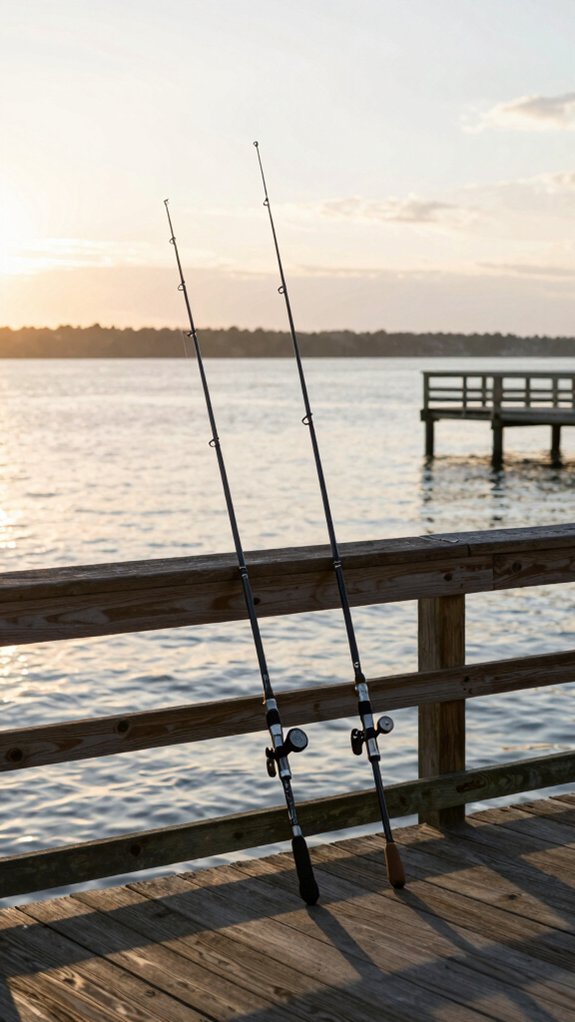
If you’re wondering whether your height or where you fish affects the right rod length, the answer is absolutely yes, and it makes a real difference in how well you cast, control your line, and land fish. Your rod length should match both your height and platform for smoother, more effective fishing.
- Taller anglers benefit from a longer rod (7’6″–8’6″), it matches your reach and boosts casting power.
- Fishing from a raised platform like a boat deck or pier? Go longer (8–10 ft) for better line control and distance.
- In tight spots like a kayak, shorter rods (5’6″–7′) prevent tangles and make casting easier.
For most, a 7-foot rod is a solid starting point, balanced, versatile, and comfortable.
But tweak the length based on your stance and setup, you’ll feel the difference in every cast.
Common rod length mistakes to avoid
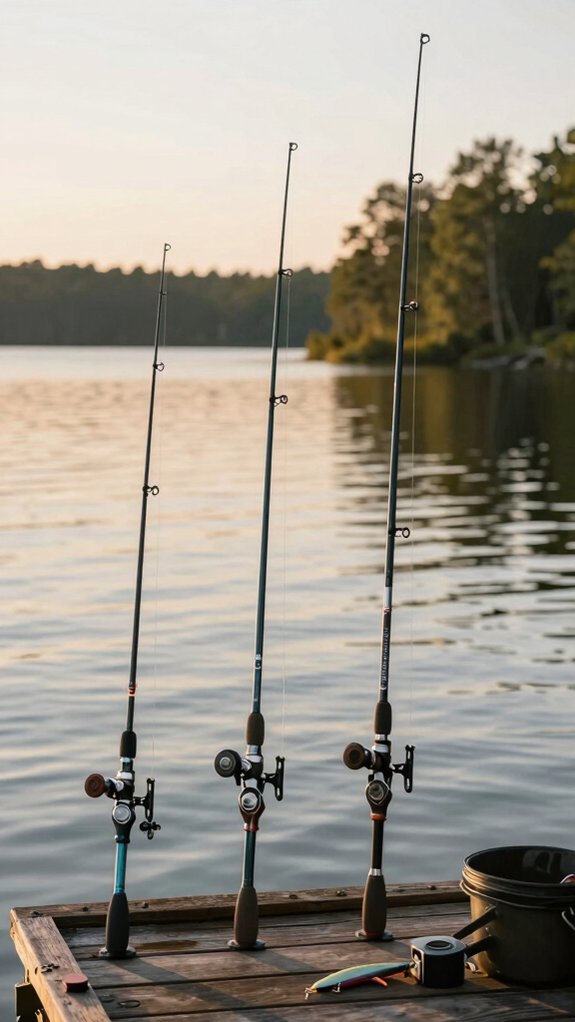
Picking the wrong rod length is one of the fastest ways to turn a promising day on the water into a frustrating mess, ask me how I know.
Avoid These Rod Length Mistakes
Using a rod over 8 ft in tight streams? You’ll lose accuracy and snag constantly. I stick to 5–7 ft with shorter rods for trout and panfish, it’s way more precise.
On open water or surf? A 5–6 ft rod kills your casting distance. I grab 7–10+ ft rods there for better line control and reach.
Never ignore transport and storage, a 10-ft rod in a cramped car warps fast. Multi-piece rods save my gear every time.
And always match rod length to target species. Pike or bass? Go 8–9 ft.
Panfish? Shorter rods win.
Finally, skip “feeling it out.” Check the label, using lures outside the rod’s casting weight risks breakage. Trust me, I’ve snapped one.
Frequently Asked Questions
How Do I Know What Length Fishing Rod I Need?
I pick my rod length based on where and how I fish, shorter for tight spots and quick control, longer for casting distance and leverage, always matching it to my technique, power, and how easy it is to carry.
What Is the 80/20 Rule in Fishing?
The 80/20 rule in fishing? I’ve found that just 20% of my gear catches nearly all the fish, like my go-to rod nails 80% of strikes. I keep it simple, ditch the clutter, and crush it every time.
What Is the 90/10 Rule in Fishing?
The 90/10 rule in fishing means I use 10% of my gear for about 90% of my casts. I keep one reliable rod and reel combo, master it, and save specialty gear for rare situations, simpler, smarter, and way more effective.
What Is a 7ft Fishing Rod Used For?
I use my 7ft fishing rod for casting crankbaits, soft plastics, and spinners, it’s perfect for bass, trout, or perch. It gives me great control and distance without being too bulky, especially when I’m fishing from shore or a boat.
In Conclusion
You need the right rod length to match where and how you fish, no magic wand here. Ironically, longer rods don’t always cast farther if they’re mismatched. I’ve seen anglers struggle with 10-foot surf poles in tight streams, like bringing a sword to a knife fight.
Shorter rods (5–6.5 ft) win in cover; longer ones (8+ ft) shine on shore. Pick smart: match your body, boat, and target. One size? Yeah, it fits none.