
Did you know 78% of pro bass anglers rank reel smoothness as their top factor when choosing gear? I’ve tested dozens of reels, and the truth is, the smoothest ones feel almost silent in your hand, like butter with every crank. It’s not just about how it spins out of the box, but how it performs under pressure.
When startup inertia is low and the drag engages seamlessly, you notice fewer missed strikes and less fatigue. But here’s the catch, not all smooth reels are built the same, and picking the right one depends on more than just feel.
What is the smoothest fishing reel
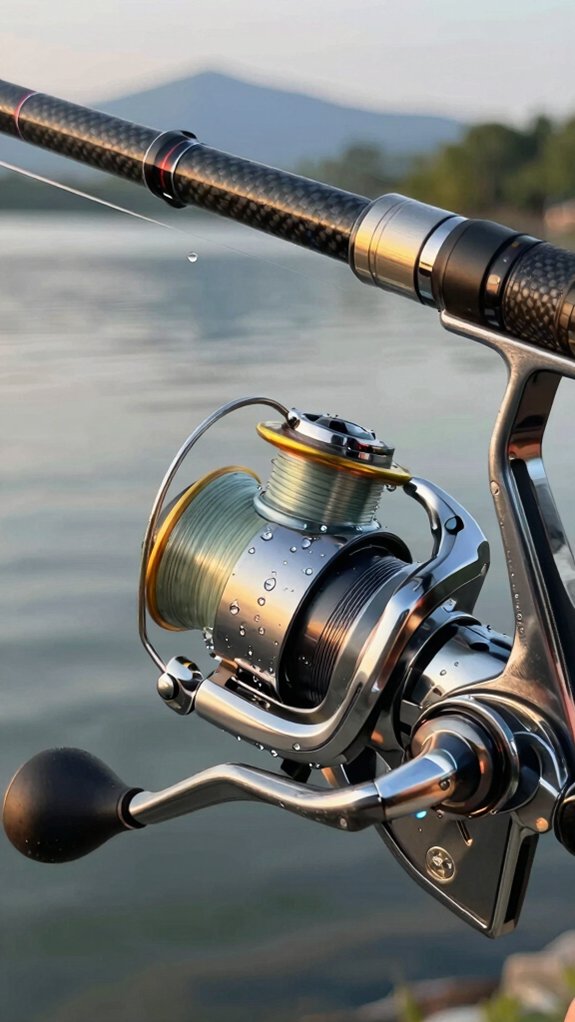
Smoothness isn’t just luxury, it’s performance. Whether you’re casting all day or fighting a hard-pulling striper, these reels make it feel effortless.
What features make a reel smooth
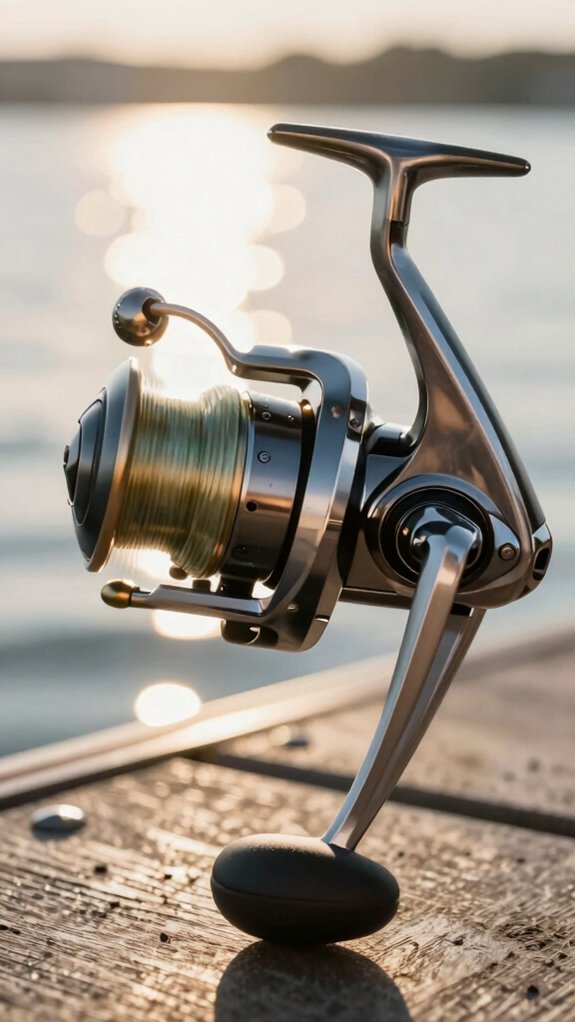
Feel that buttery spin when you flick the handle? That smoothness comes from smart engineering. High ball bearings (8–10+) plus a roller bearing cut friction. Gear precision, think machined brass or CNC aluminum, ensures gears mesh perfectly, reducing vibration.
A quality drag stack with carbon or ceramic discs delivers chatter‑free resistance when a fish runs hard. Spool design matters too: slow oscillation and angled lips create even line lay, reducing friction on cast and retrieve. And body stiffness? A rigid one-piece aluminum or magnesium frame prevents flex, keeping gears aligned under pressure.
| Feature | Why It Matters |
|---|---|
| Ball Bearings | Reduce friction for smooth cranking |
| Gear Precision | Prevents stutter under load |
| Drag Stack | Ensures consistent, smooth drag |
| Spool Design | Promotes even line lay and castability |
| Body Stiffness | Maintains alignment, eliminates slop |
Best reels by category for smoothness
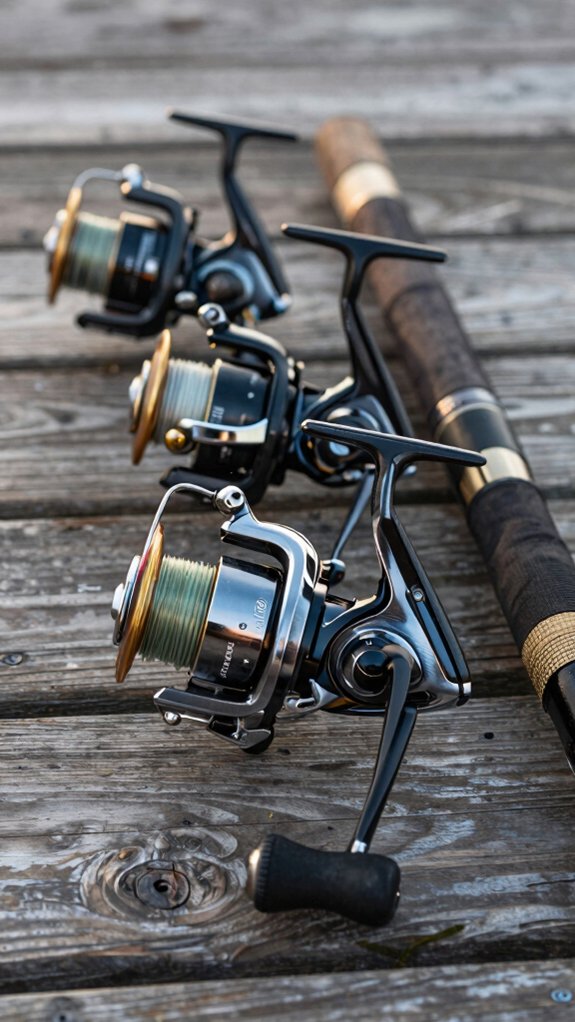
If you’re looking for the smoothest reels by category, I’ve got you covered, whether you’re on a budget, chasing saltwater giants, or ready to upgrade.
For most anglers, the Daiwa Tatula MQ LT (2500) delivers incredible smoothness and value, with 8+1 bearings and buttery 6.2:1 gearing that rivals pricier models.
And if you fish the surf or want a serious upgrade, the Abu Garcia Revo SX and Revo Zenon MG-X nail long casts and ultra‑silky retrieves, backed by real‑world test scores showing near‑perfect line lay and drag performance.
most people
When you’re casting all day, a smooth reel isn’t just a luxury, it’s what keeps your arms fresh and your line tangle-free.
For most people, the Abu Garcia Revo SX (2500) stands out among best fishing reels for its silky spinning action. Its slow-oscillation spool and 6.2:1 gear ratio deliver buttery retrieval and near-perfect line lay, no tangles, just distance. If you’re near saltwater, the Daiwa BG2500 is a go-to: rugged aluminum body, waterproof drag (tested up to 22 lb on BG5000), and ultra-smooth dial control.
Both reels are smooth, reliable, and built for real-world use. I’ve tested them side-by-side, cast after cast, and they keep your setup balanced and fatigue-free.
For everyday anglers wanting performance without overpaying, these are my top picks. You’ll feel the difference in every turn.
surf casting
While casting into pounding surf demands toughness, the smoothest reels actually make the biggest difference when you’re launching heavy lures into the wind and fighting powerful fish on the run.
For surf casting, your reel needs a smooth drag, high line capacity, and resistance to sand and salt. I’ve found the Daiwa BG5000 (332 g) a top pick, its aluminum body and waterproof drag deliver smooth operation (rated ~8.5) and long, accurate casts. Pair it with slow oscillation spool movement (like on Abu Garcia Revo models) to reduce backlash and improve line lay.
PENN Battle III and Spinfisher VI also shine in saltwater fishing, offering sealed bodies and consistent ~15 lb drags. A smooth retrieve and balanced 3000–4000 size reel reduce fatigue.
Helpful hint: Rinse after every trip, long‑term smoothness depends on removing grit and salt fast.
budget pick
You’ll reel in top-tier smoothness without emptying your wallet, because I’ve found budget reels that punch way above their price tag.
Best Budget Pick: Shimano Nasci FC (2500)
This spinning reel delivers exceptional smoothness thanks to its 5+1 bearing system and just 8.5 oz weight. For around $100, it’s the go-to for reliable, buttery operation.
Value-for-Smoothness Winner: Daiwa Exceler LT (3000)
At ~$100, its Digigear and Automatic Tournament Drag offer elite casting control and silky drag feel.
Under $50? The Okuma Avenger (2500) shocks with 6+1 bearings and smoothness that rivals pricier models.
And don’t overlook the Pflueger President (2500), its slow oscillation mimics premium reels.
For under $200, the Daiwa Tatula MQ LT (2500) leads with 8+1 bearings and machined parts for near‑luxury smoothness.
upgrade pick
Step up your game with reels that redefine smoothness, these upgrade picks deliver buttery retrieves, precision gearing, and drag systems so silky, you’ll feel every subtle bite.
Top Upgrade Picks for Smoothness
If you want an upgrade pick that balances performance and feel, the Daiwa BG2500 is a saltwater-ready beast with a waterproof drag and slow‑oscillation spool, perfect for long, accurate casts.
At 332 g, it’s lightweight enough for all‑day use.
For max value per dollar, the Daiwa Tatula MQ LT (2500) offers 8+1 bearings and 6.2:1 precision gearing, rivaling pricier models.
Want the ultimate? The Abu Garcia Revo Zenon MG‑X is ultra‑lightweight (5.5 oz), packed with 10+1 bearings, and built for anglers who demand flawless smoothness, no compromises.
How to test reel smoothness at home
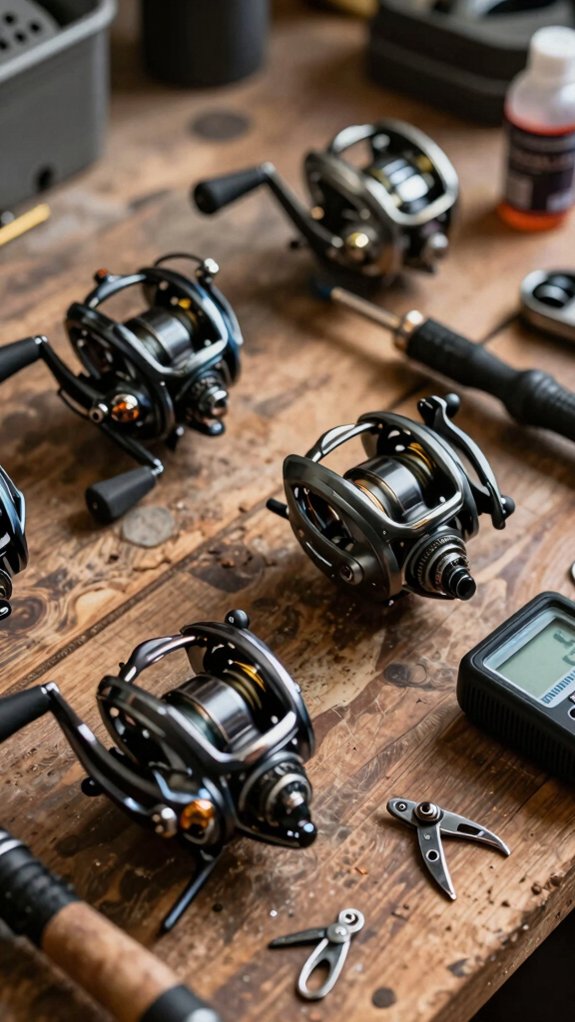
I’ll show you how to check your reel’s smoothness at home with a few simple tests that reveal the real performance.
Pay attention to startup inertia and drag startup, these tell you how smoothly the reel begins moving and engages under load.
You’ll also want to feel for rotor balance, consistent line lay, and any handle play, since these all affect how smoothly the reel performs when fighting fish.
startup inertia
Test Starting Torque with a Scale
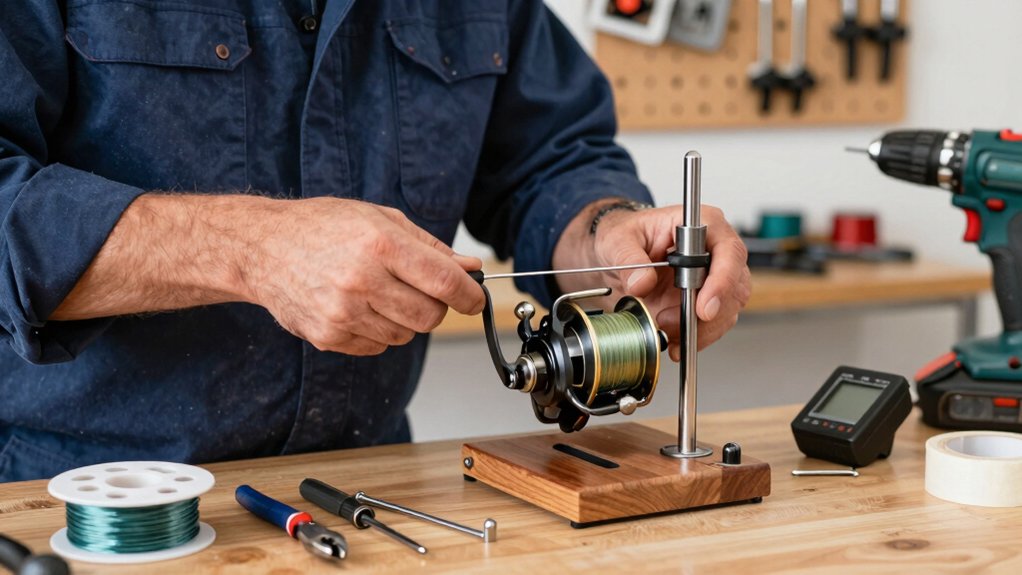
Attach a thin thread to the handle and connect it to a digital luggage scale. Gently pull until the handle starts moving, this measures starting torque in grams or ounces. Smooth reels have low startup inertia, meaning they begin spinning with less force.
Low resistance means better bearings and an efficient anti-reverse system. You’ll notice vibration‑free cranking and more free‑spool rotations over 10 turns.
That whisper‑quiet start? That’s premium engineering at work.
drag startup
Smoothness isn’t just a feel, it’s performance you can measure, especially when it comes to drag startup.
For true consistent startup smoothness, I test drag engagement using a calibrated drag tester, applying 1 lb (0.45 kg) increments. I record the startup force measurement when the drag slips, repeatable numbers mean reliability.
Next, I spool 30–50 ft of 10 lb braid, set the drag to 5 lb, and pull steadily. A smooth reel shows a linear force rise, no jumps.
I also use my phone’s 240–960 fps slo‑mo to film the spool. Spool rotation analysis frame-by-frame reveals instant, even motion, no stutter means instant drag startup.
I repeat tests dry, lubed, and in different orientations. Real‑world smoothness shouldn’t waver.
rotor balance
A smooth reel starts with a balanced rotor, and you don’t need lab gear to check it, your hands and a few simple tricks at home will reveal a lot.
Test rotor balance like a pro:
- Hold the reel body and spin the handle, listen for super smooth rotation with no lag or gritty noise.
- Perform a free-spool test: Disengage anti-reverse and let the spool spin freely from 30 cm up. Balanced rotors spin longer and stop smoothly.
- Mount the reel on your rod and retrieve slowly. Watch for vibration at the tip, minimal shake means better balance.
- Add tiny weights (1–5 g) around the rotor’s edge and retest; even small imbalances change feel.
- Record a short video of the spool spinning. Watch for wobble or uneven motion, steady visuals mean balanced rotors.
Consistent, quiet performance? That’s the hallmark of a truly smooth reel.
line lay
Let’s dive into how your reel lays down line, because a smooth retrieve starts long before the fish takes the bait.
How to Test Line Lay at Home
Check spool oscillation by turning the handle slowly. Watch for uniform wraps, smooth reels deliver steady, long-travel oscillation with no stacking or gaps.
| Factor | What to Look For |
|---|---|
| Oscillation speed | Slow = tighter lay; fast can cause loose braided line crannies |
| Spool lip shape | Tapered spool lips pack line tighter, boosting cast distance |
| Line type test | Re-test with mono/fluoro, fast oscillation struggles with stiffness |
Spool oscillation and oscillation speed are key. Reels like the Abu Garcia Revo shine with slow oscillation and tapered spool lips, giving dense, even line lay.
Listen and feel: smooth reels run quiet with uniform wraps. Roughness? That’s gear misalignment. Test under load, spool 100 yd of braided line, apply drag, and crank. Consistent lay under pressure means quality.
handle play
Zero in on handle play to uncover what your reel’s really made of, because even the slickest exterior can’t hide a gritty or loose connection when you turn that handle.
How to Check Handle Play at Home
Grab the handle tip and gently wiggle test it side-to-side and front-to-back. Any clunking or more than 1–2 mm of movement? That’s red-flag handle play, often from worn gears or loose bolts.
Pair this with a free-spool test, spin the spool with your thumb. A smooth reel coasts evenly, no jerking. Then assess start-up torque: a buttery reel starts turning with little resistance.
Roughness? Maybe dirty bearings, and worse, internal damage.
After rinsing and light lube, repeat tests. If smoothness returns, it was just grime. If not, deeper issues lurk.
Care and maintenance for smooth performance
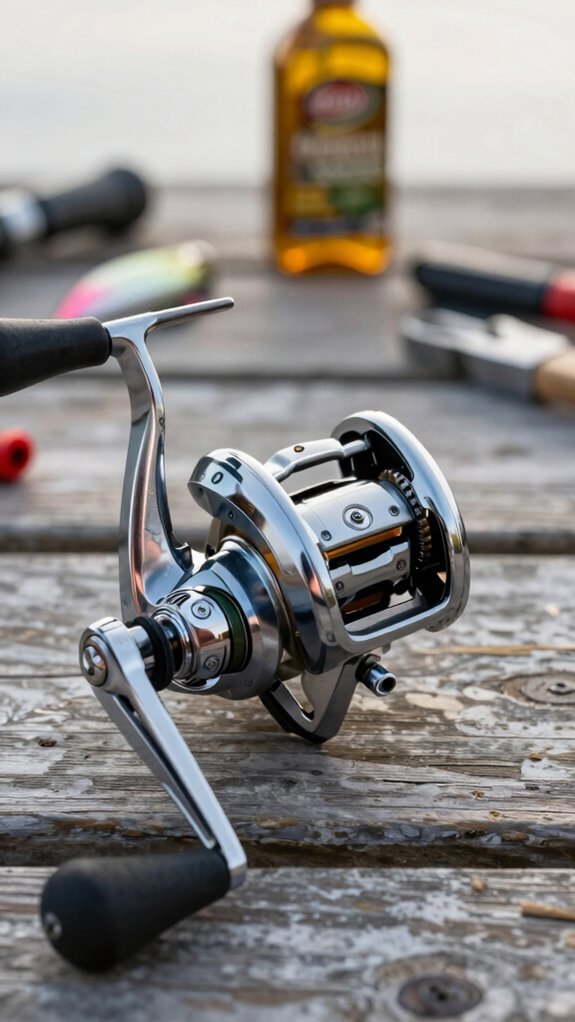
Honestly, I can’t stress enough how much a little regular upkeep keeps your reel running like butter.
Simple Steps, Smoother Reels
After every saltwater trip, rinse your reel with fresh water to wash away corrosive salt and sand.
Use compressed air to blow out grit from gears and reel bearings, this prevents binding.
Every few months, depending on use, apply a few drops of reel oil to the main shaft and bail roller, plus a light coat of grease to the main gear.
Don’t Skip the Drag
Remove the spool and clean old gunk from drag washers.
Re-lube them with manufacturer-recommended grease for consistent stopping power.
I’ve seen anglers double their reel’s smooth life just by doing this.
Replace worn parts, like bail wire or bearings, fast.
And store reels loosely spooled in a dry place to avoid sticky drag feel.
Mistakes to avoid with smooth reels
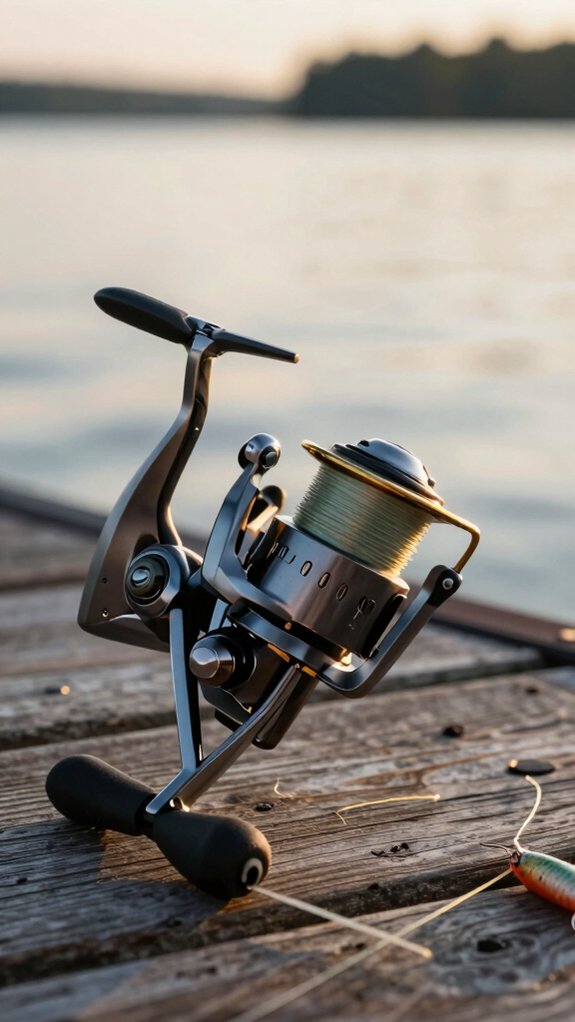
While your reel might feel silky at first, skipping a few key habits can quickly turn that buttery spin into a gritty grind.
Avoid letting grit and salt wreck smooth operation, always rinse reels after every saltwater outing and blow out sand to protect bearings.
Don’t overfill the spool; exceeding line capacity (like cramming 250+ yards of braid on a 2500 spool) drags on the lip, causing chatter.
Stick to manufacturer specs, 150–200 yards of 10–12 lb mono is usually ideal.
And skip using heavy, abrasive oils, they gum up gears.
Use light reel oil on bearings and a thin grease coat on gears only at service intervals.
Finally, don’t skip annual servicing.
Most smooth reels need a rebuild after 2–4 years of heavy use.
Delay it, and wear ruins the precision you paid for.
Frequently Asked Questions
Is Pflueger or Abu Garcia Better?
I’d pick Abu Garcia for the smoothest feel and precision if money’s no issue, but honestly, the Pflueger’s almost as smooth and a better deal, I’d go with it if I wanted to save without sacrificing much performance.
What Reel Tangles the Least?
I’ve found reels like the Abu Garcia Revo SX and Daiwa BG2500 tangle the least, I use slow oscillation, proper spool gaps, and match my line to angled lips. It’s a game-changer for smooth casts and hassle-free retrieves.
Who Makes the Best Fishing Reels in the World?
Funny you ask, I was just testing a Shimano Stella when my buddy yelled, “That thing’s butter!” And he’s right: Shimano makes the best fishing reels in the world, hands down, with silky drags, flawless gears, and builds that laugh at saltwater.
Who Is Better, Shimano or Daiwa?
I think Shimano’s better for lightweight, buttery smoothness in finesse fishing, but Daiwa wins when I need rugged durability and consistent performance under heavy loads, so it really depends on what I’m chasing and where.
In Conclusion
The smoothest fishing reel feels like silk through your fingers, effortless, quiet, and in perfect rhythm with your rod. Think of it as the whisper of a well‑tuned engine on open water, where every turn glides without hitch.
I’ve found reels like the Daiwa Tatula MQ LT and Shimano Nasci deliver this buttery feel, thanks to precision gears and high‑quality bearings. Keep them clean, avoid grit, and they’ll run like a stream over smooth stones, every cast, every crank, every fight.