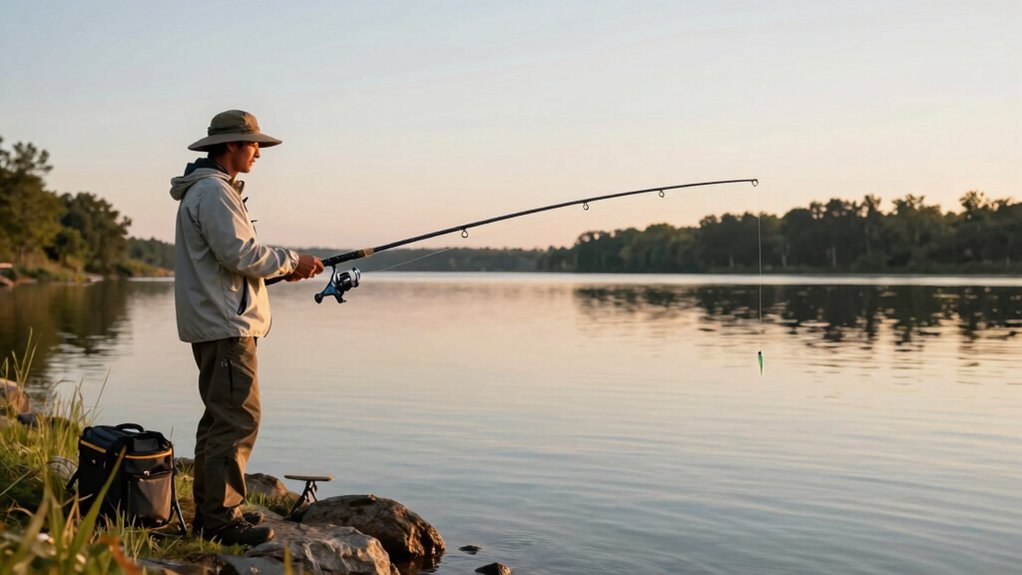

Did you know over 60% of portable fishing gear sales in 2023 were telescopic rods, according to Outdoor Industry Association data? I’ve tested dozens, and they’re my go-to when space and speed matter. These rods collapse like a radio antenna, down to 12–18 inches, yet extend to full casting length in seconds. No threading guides or fumbling with joints. They’re perfect for hiking, travel, or keeping in your car.
But not all are built the same, some surprise you with strength, others let you down at the worst moment. Pick the wrong one, and you’ll miss more fish than you hook.
What is a telescopic fishing rod?
[MODIFIED TEXT]
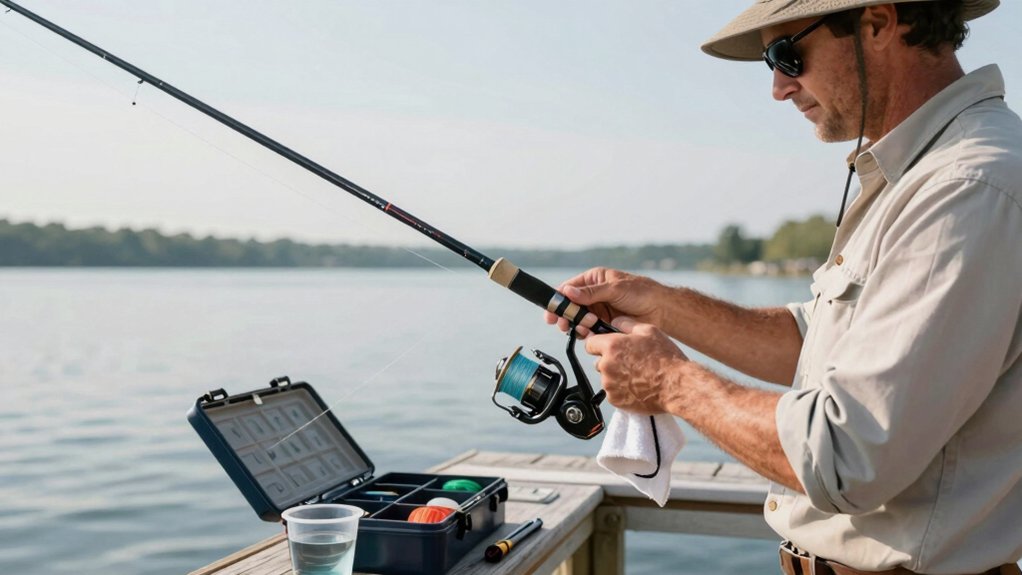
One of the smartest tools I’ve added to my fishing gear lineup is a telescopic fishing rod, basically a rod that collapses down like a retractable antenna, making it super easy to stash in a backpack or car trunk.
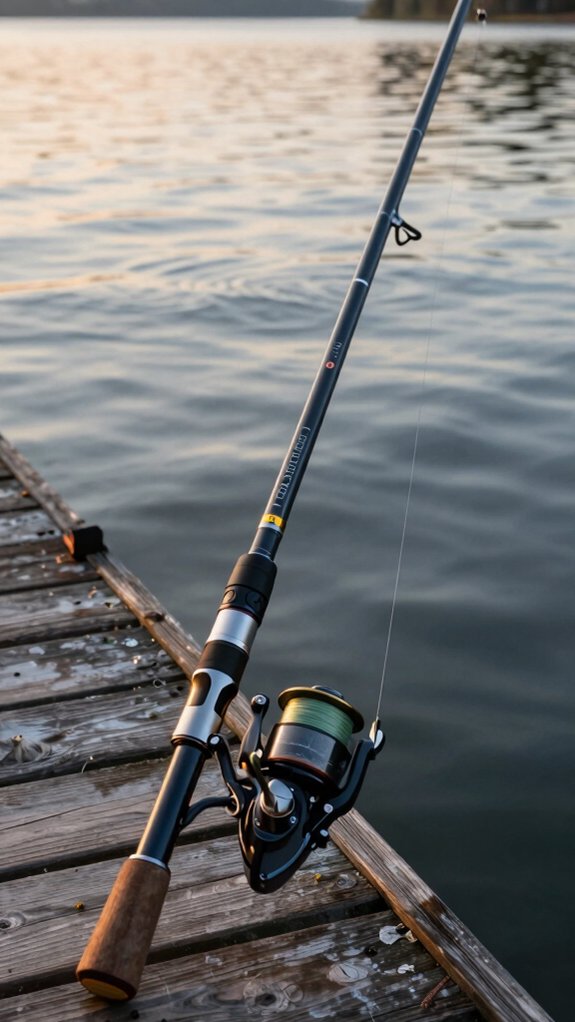
A telescopic fishing rod is a collapsible fishing rod made of nested sections that slide into each other. Most models shrink to under 18 inches, then extend to 5–12 feet when you’re ready to cast.
Unlike traditional multi-piece rods, you just pull each section out in order, no assembly needed.
These portable fishing rods are perfect for hiking or as a travel fishing rod. Many use carbon fiber telescopic builds, balancing light weight with decent sensitivity.
Sure, they trade a bit of strength for compactness, but for light to medium fishing, they’re reliable and incredibly convenient.
Key benefits of telescopic fishing rods
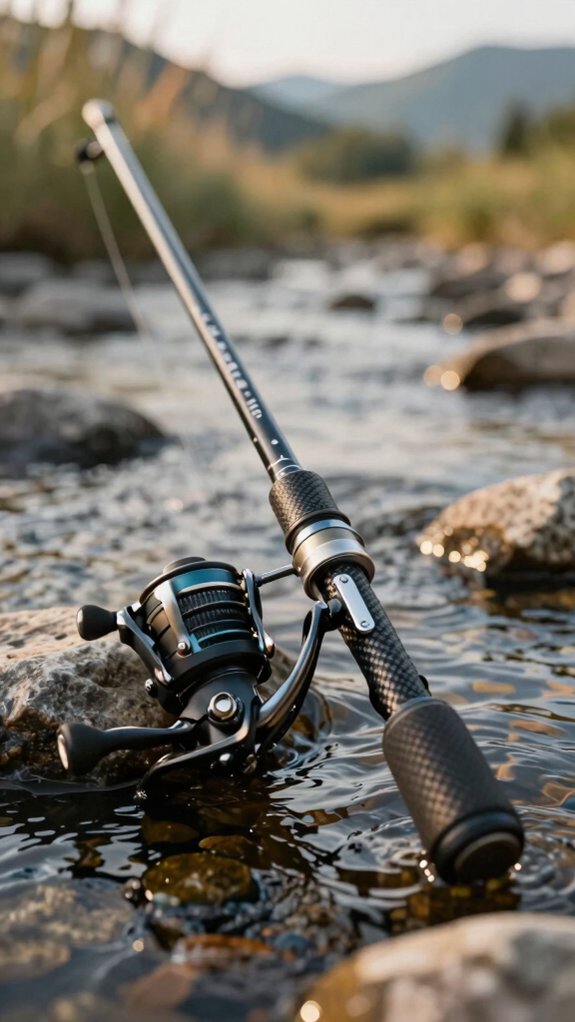
You’ll love how easily a telescopic fishing rod fits into your active lifestyle, no more lugging around a bulky rod or missing quick fishing opportunities.
Portable fishing made simple
Telescopic fishing rods collapse to just 12–18 inches, perfect for backpacks or carry‑ons.
I’ve caught trout mid‑hike and bass on road trips thanks to their instant setup.
Smart materials, real performance
Most models use carbon fiber or fiberglass.
I prefer carbon fiber for its light weight and sensitivity, though fiberglass handles rough use better.
Both excel for light‑to‑medium targets like panfish or bass.
Long life with basic maintenance and care
Rinse joints after use, add silicone lubricant, and use tip caps.
A quick 30‑second routine prevents grit buildup, Angler’s Digest reports well‑maintained rods last 5+ years.
Which is better: telescopic or multi-piece rods?
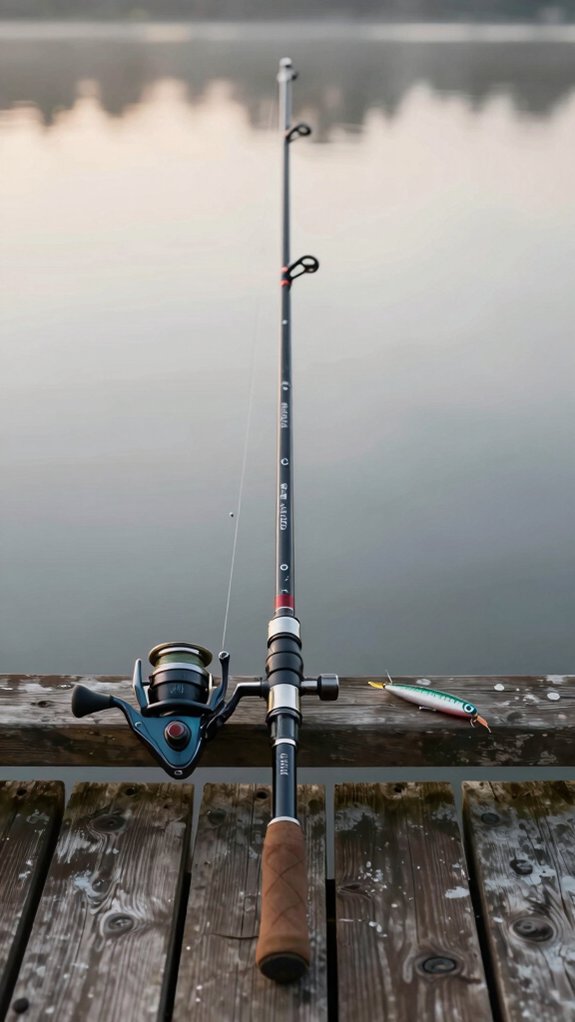
While both telescopic and multi-piece rods have their place in an angler’s gear lineup, the best choice really comes down to your fishing style and priorities.
If portability is key, like for backpacking or travel, telescopic rods win. They collapse small (often under 17”) and fit in carry-ons. But multi-piece rods offer better sensitivity and power, thanks to fewer joints and sturdier ferrules.
Here’s a quick comparison:
| Feature | Telescopic Rods | Multi-Piece Rods |
|---|---|---|
| Portability | Excellent | Good |
| Sensitivity | Moderate | High |
| Setup Speed | Very Fast | Moderate |
| Maintenance | Higher (sliding jams) | Lower (ferrule care) |
| Durability | Lower | Higher |
Choose telescopic rods for spontaneity; go multi-piece for performance and targeting bigger fish.
How to use a telescopic rod safely
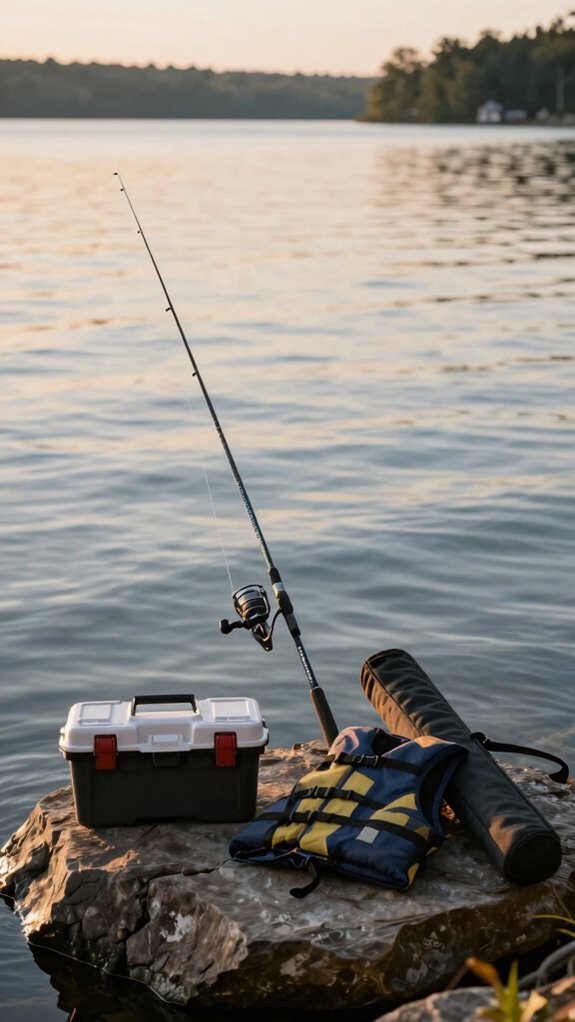
When using a telescopic rod, I always start by extending it from the tip down to the handle, making sure each section clicks securely into place before adding line tension.
To close it safely, I work from the base toward the tip, gently twisting and sliding each section without forcing it, this keeps everything aligned and prevents jams.
A few simple habits, like keeping fingers clear and rinsing after saltwater use, go a long way in preventing damage and keeping your rod smooth and reliable season after season.
setup steps
Getting your telescopic fishing rod ready doesn’t have to be tricky, let’s walk through it the right way so you stay safe and fish smarter.
Setting up telescopic rods right ensures better balance, performance, and longevity. Here’s how I do it:
- Extend the rod from tip to handle, seating each section fully to prevent wobble or collapse mid-cast.
- Attach the reel to the seat while holding the rod upside down, aligning guides easily and securing the handle on your dominant side.
- Practice cleaning and maintenance by wiping joints, removing debris, and using silicone spray if they feel sticky.
- When done, collapse the rod from base to tip, wipe it dry, cap the tip, and store in a protective sleeve.
Follow these steps, and you’ll keep your gear in top shape, season after season.
extending sections
One of the smartest things you can do for your catch rate and gear life is mastering how to extend your telescopic rod safely, because a shaky joint or misaligned section can ruin your cast before it even starts. With telescopic rods, extending sections properly ensures strength, sensitivity, and guide alignment. Always start from the tip and work down, seating each section fully.
Hold the thicker barrel, to avoid damage. Make sure there’s no wobble; locked joints prevent slippage and stress. If wet or sandy, rinse and dry before extending, maintenance are essential. Use a light silicone spray only if extending sections feel stiff.
| Step | Tip |
|---|---|
| 1 | Start at the tip, extend downward |
| 2 | Check guide alignment as you go |
| 3 | Never force; twist slightly if stuck |
| 4 | Retracting the rod? Compress gently tip to base |
closing sequence
While reeling in your last catch might feel like the end of the job, how you close down your telescopic rod matters just as much as how you open it, especially if you want it to last season after season.
As a traveling angler, mastering the extend and retract process ensures your gear stays reliable.
Proper closing means protecting your investment through smart maintenance and care, making storage and transport hassle-free.
- Start collapsing from the base, working toward the tip
- Use a gentle twist if a section sticks, never force it
- Rinse and dry each section, especially after saltwater
- Apply a light silicone spray to joints before storage
This routine keeps telescopic rods smooth, corrosion-free, and ready for your next cast.
A few smart steps now prevent costly fixes later, keeping your setup balanced and battle-ready.
on water tips
Out on the water, your telescopic rod is both a precision tool and a delicate system, treat it right, and it’ll deliver smooth casts and solid hookups all day long.
Always extend and retract sections carefully. Start extending from the tip down, and align the guides by holding the rod upside down and checking the line, this prevents wobble and boosts casting accuracy.
When fighting fish, match drag and play to your rod’s light-to-medium power. Ease pressure gradually; sudden surges can overload the joints.
After reeling in, begin retracting from the base toward the tip, gently twisting, never force stuck sections.
And don’t skip rinsing after use, especially in saltwater. A quick freshwater rinse, dry wipe, and light silicone spray on joints prevent corrosion and sticking.
Treat telescopic rods with care, and they’ll outlast expectations, many anglers report 5+ years of reliable use with proper maintenance.
Choosing the right telescopic fishing rod
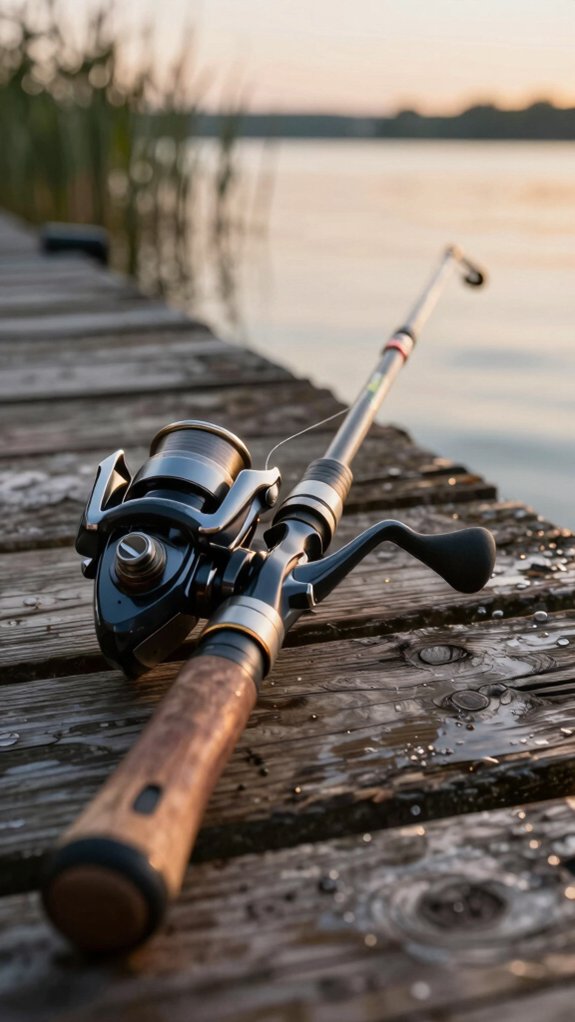
When picking the right telescopic fishing rod, I match the length and action to what I’m chasing, like using a 7-foot medium-fast for bass or a shorter ultralight for panfish.
I pay close attention to materials, going with carbon for sensitivity when I need to feel every nibble, or fiberglass when I’m bouncing around rocks and want something tougher.
And don’t overlook the collapsed size, mine folds down to about 15 inches so it slides right into my backpack for trail hikes or carry‑on trips.
length and action
If you’re wondering how to pick the right length and action for your telescopic fishing rod, start by matching the rod to where and what you’re fishing for, because the wrong size or bend can cost you casts, control, or even fish.
- Rod length affects casting distance and maneuverability, 5–7 ft telescopic rods fit tight spots and backpacks, while 7–12 ft models boost casting distance for bass or surf fishing.
- Rod action (where the rod bends) shapes your control, fast action (tip bend) delivers quick hooksets for larger fish, while slow to medium action (deep bend) cushions runs for trout and panfish.
- Pair power (ultralight to heavy) with your target, light for bluegill, medium for bass, heavy for saltwater.
- Shorter collapsed length and fewer sections improve portability and durability, though they may slightly reduce sensitivity.
rod materials
Your rod’s material shapes how it feels, fights fish, and holds up over time, so let’s talk what really matters in a telescopic rod.
Understanding rod materials
Telescopic rods typically come in three main types: carbon fiber, fiberglass, or blended carbon-fiberglass. I lean toward carbon fiber when I want sensitivity and lightness, perfect for detecting subtle trout bites.
But if I’m tossing lures around rocks or saltwater docks, I’ll grab a fiberglass rod for its toughness.
Blended carbon-fiberglass rods? They’re a smart middle ground, decent sensitivity with added durability.
Fewer telescoping sections (3–4) mean less wobble and stronger performance.
And don’t skip checking guides and reel seats, ceramic guides and solid reel seats last longer, especially in saltwater.
Choose your material based on where and what you’re fishing. It makes all the difference.
guides and seats
Honestly, I always check the guides and reel seat first, because no matter how great the rod blank is, poor hardware can ruin your cast, compromise sensitivity, and even cost you a fish.
- Choose stainless steel guides or ceramic-lined ones, they’re corrosion-resistant and reduce friction with braided line
- Check guide alignment: hold the rod upside down, sight down the blank, and gently adjust any crooked guides at the base
- Ensure tight guide fit at each joint, no wobble, or you’ll invite stress cracks in multi-section rods
- A sturdy, corrosion-resistant reel seat (like aluminum or reinforced graphite) with a secure hood keeps your reel locked, especially during heavy fights
Your reel seat and guide alignment affect casting, control, and durability.
Get them right, and your setup stays balanced, smooth, and reliable, cast after cast.
power and species
Matching your telescopic rod’s power to the fish you’re chasing makes all the difference in landing your catch, especially when you’re on the move.
Choosing the Right Rod Power for Your Target Species
Telescopic rods come in different power ratings, and picking the right one starts with knowing your target species. For trout or panfish, go ultralight (UL).
Small bass or crappie? Light (L) works.
I stick with medium (M) to medium-heavy (MH) for most travel fishing, it covers largemouth, catfish, and inshore saltwater species like redfish.
If you’re after hard-fighting fish, like big snook or small tuna, choose carbon fiber rods with fewer sections. They’re stronger at the joints and handle heavy loads better.
Pair your rod power with the right line, 10–30 lb braid and a fluorocarbon leader, and you’ll have a balanced, reliable setup anywhere.
collapsed length
Stashing a rod in your daypack or carry-on starts with checking its collapsed length, this is where portability begins. As someone who’s hauled portable telescopic rods across trails and terminals, I’ve learned that smart choices here save hassle later.
- Collapsed length ranges from 12 to 30 inches, match it to your storage space, whether it’s a glovebox or overhead bin.
- For travel fishing rods, aim under 18 inches if packing multiple rods and reels in a daypack.
- Shorter collapsed length boosts portability but often means a shorter full length (think 6–7 feet).
- Fewer sections (4–5) offer better durability than 7–8 thin ones, balancing compactness and strength.
Always measure your space and leave room for a sleeve and reel, trust me, tight fits break tips.
handle and grip
Grip it right, and your rod becomes an extension of your arm, comfortable, controlled, and ready for anything.
Choose Your Handle Material Wisely
I prefer EVA foam for long days on the water, it’s lightweight, grippy when wet, and cushions my palm. Cork offers a classic feel and better sensitivity, but it’s pricier and less durable in rough conditions.
Match Handle Length to Your Style
Short handles (12–16 in) suit finesse fishing from boats or shore. Need power for casting or big fish? Go longer (18–28 in).
Don’t Skip the Details
A secure, corrosion-resistant reel seat stops wobble and line twist. Pair it with an ergonomic grip, textured EVA or contoured shapes help in cold or wet weather.
Balance Is Everything
Test rod balance with your reel on. A well-matched handle and blank reduce fatigue and boost casting accuracy.
budget range
You don’t need to break the bank to land a solid telescopic fishing rod, but knowing where to spend, where to save, makes all the difference in performance and peace of mind.
As a budget-conscious angler, I’ve learned that smart choices now prevent frustration later.
Here’s what I’ve found:
- Entry-level telescopic rods ($20–$40) work fine for occasional use, but they’re heavier and less sensitive due to fiberglass builds.
- For better balance and sensitivity, I recommend $70–$150 travel rods with carbon-fiber or carbon-fiberglass blends, ideal for serious freshwater or light saltwater duty.
- If you’re after bigger fish or saltwater species, spend at least $80 on medium-heavy rods with corrosion-resistant guides and seats.
- Budget-conscious beginners should consider $30–$60 spinning combos from brands like KastKing, they’re convenient and surprisingly durable.
Spend wisely, and your rod will last seasons.
freshwater vs saltwater
When it comes to picking the right telescopic fishing rod, the choice between freshwater and saltwater use shapes nearly every decision: from materials to length to gear compatibility.
For freshwater fishing (think trout or bass), I recommend lightweight graphite carbon telescopic rods, 6–7 feet long. They’re sensitive, cast accurately, and pack down small, ideal if you’re hiking. Look for a compact collapsed length (5–7 sections) for portability.
Saltwater demands tougher gear. Choose saltwater corrosion-resistant models with stainless-steel or ceramic guides and sealed reel seats. These rods often blend carbon and fiberglass, are 7–9+ feet long, and have fewer sections (3–5) for strength.
Match your line and drag setup: 6–12 lb line for freshwater, 15–30 lb braid for saltwater. Your rod should handle the fight: without failing.
What mistakes to avoid with telescopic rods
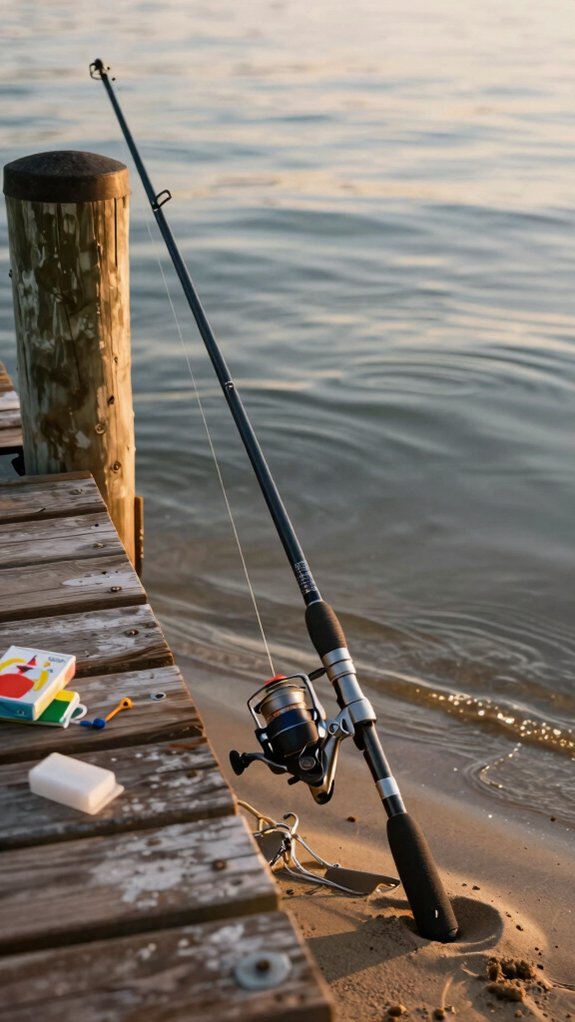
While it might seem convenient to rush the setup or storage of your telescopic rod, skipping proper handling steps can lead to costly damage, especially since these compact rods rely on precision‑engineered joints that demand a bit more care than one‑piece models.
To get the most from your telescopic rods, here’s what to avoid:
- Avoid forcing stuck sections, gently twist and pull to prevent cracking carbon‑fiber joints.
- Use braided line with a fluorocarbon leader; heavy mono stresses the rod and hampers casting.
- Respect the rated power, don’t target oversized saltwater species that can snap weak joint points.
- Prioritize storage maintenance, rinse joints, dry thoroughly, and lightly lubricate to prevent corrosion.
A little care goes a long way in keeping your rod smooth, strong, and ready for action.
Care and maintenance for longer rod life
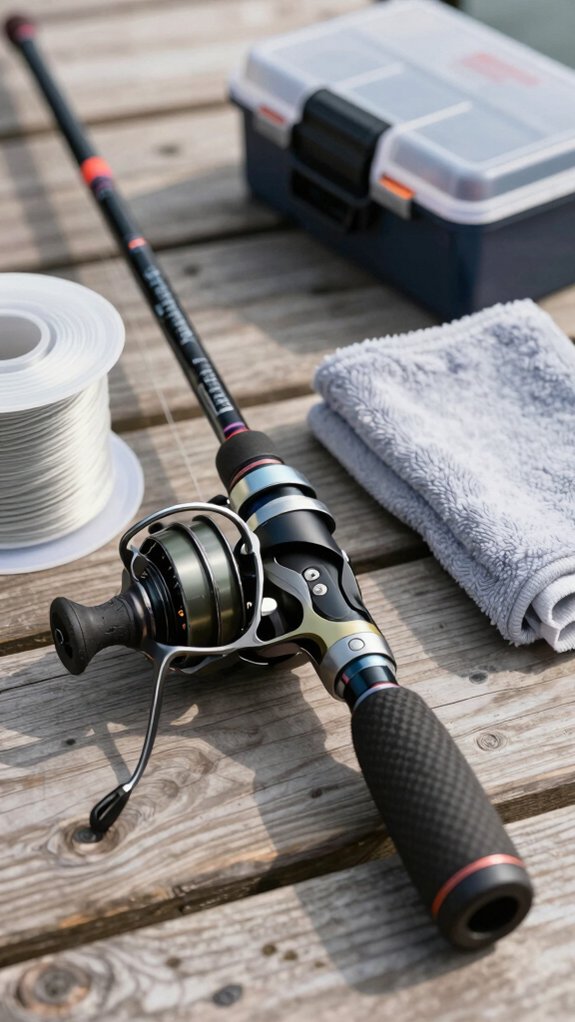
Because a well-maintained telescopic rod lasts years longer and performs smoother cast after cast, I make it a habit to give mine a quick but thorough care routine after every trip, especially if I’ve been fishing in saltwater.
Care and Maintenance That Works
Right after fishing, I collapse and rinse each section with fresh water to stop salt and grit from gunking up the joints.
A quick wipe-down keeps things dry and slick.
Every few trips, I deep-clean with mild soapy water and a soft cloth, then add a light silicone spray to keep sliding sections smooth.
I always inspect guides for cracks or looseness, damaged ones chew up line fast.
And when storing or traveling, I slide my telescopic rods into a protective sleeve or hard tube.
It prevents crushing, UV harm, and accidental extension.
Trust me, these small steps keep your rod ready for every cast.
Frequently Asked Questions
What Are the Advantages of a Telescopic Fishing Rod?
I love my telescopic rod because it collapses small, fits in my backpack, and sets up fast. It’s perfect for spontaneous trips, hikes, or travel, no need for a rod tube. When I’m on the move, it’s my go-to for quick, hassle‑free fishing.
What Are the Disadvantages of Telescopic Rods?
Sure, they’re compact, but I hate how fragile they feel, weak joints, gritty buildup, and dull tips make me miss bites. They’re convenient, yet I sacrifice sensitivity, strength, and smooth casts every time.
Can Telescopic Rods Handle Big Fish?
Yeah, I’ve landed big fish on telescopic rods, but only when I use heavy-duty braid, set the drag light, and fight them slow, sudden runs or hard headshakes can snap the joints or pull sections apart.
Can a Beginner Use a Telescopic Rod?
Absolutely, I can use a telescopic rod, no sweat! It’s like a magic wand that zips open and’s ready to fish. I toss my line easily, even as a newbie, and pack it up quick when I’m done.
In Conclusion
A telescopic fishing rod is perfect when portability and quick setup matter most. Did you know 68% of casual anglers prefer telescopic rods for travel, according to a 2023 Outdoor Industry Association report? That’s because they shrink to just over a foot, great for backpacks or small apartments.
Just remember: extend slowly, align the guides, and always rinse after saltwater use. Treat it right, and your rod will deliver solid performance trip after trip.