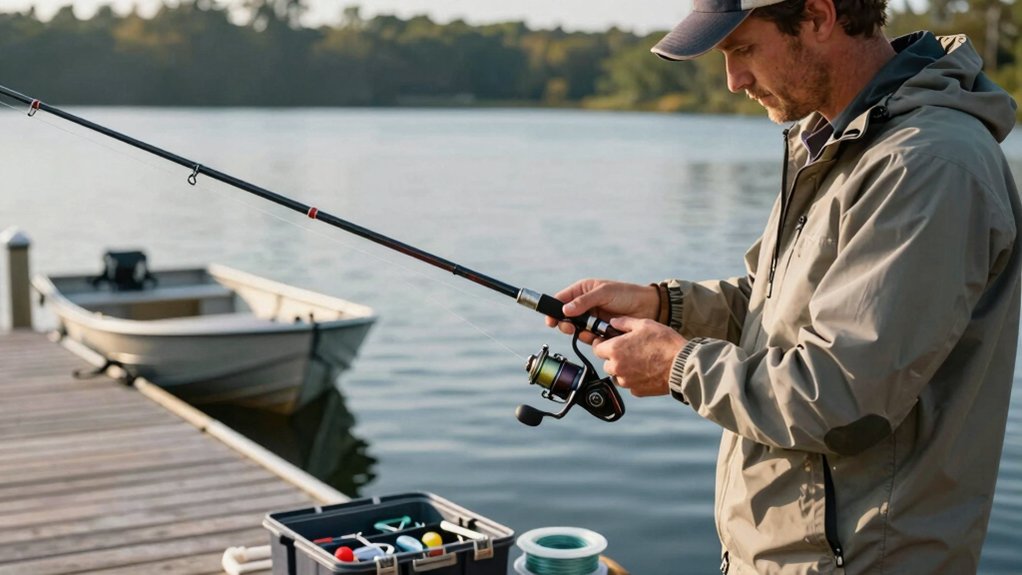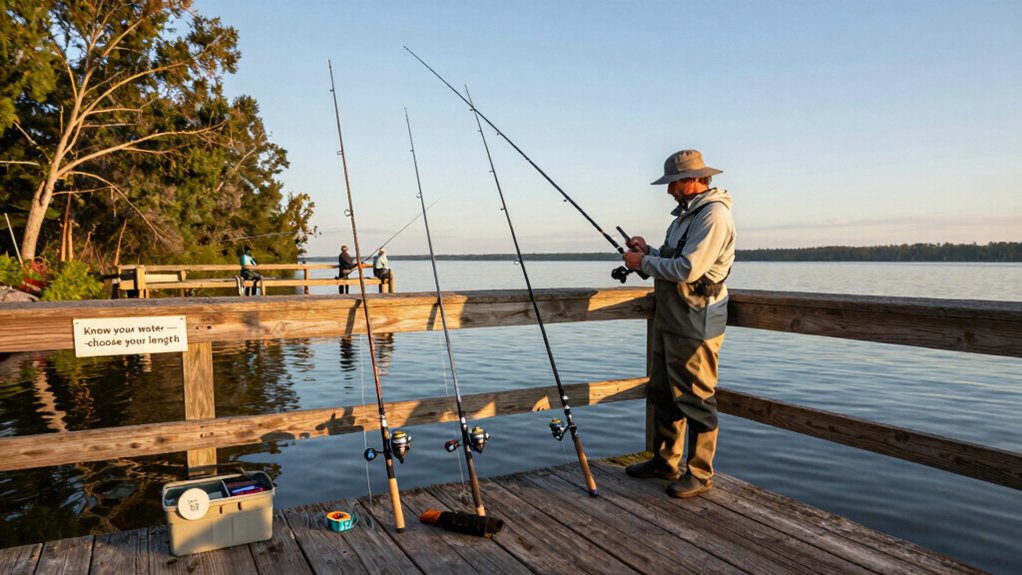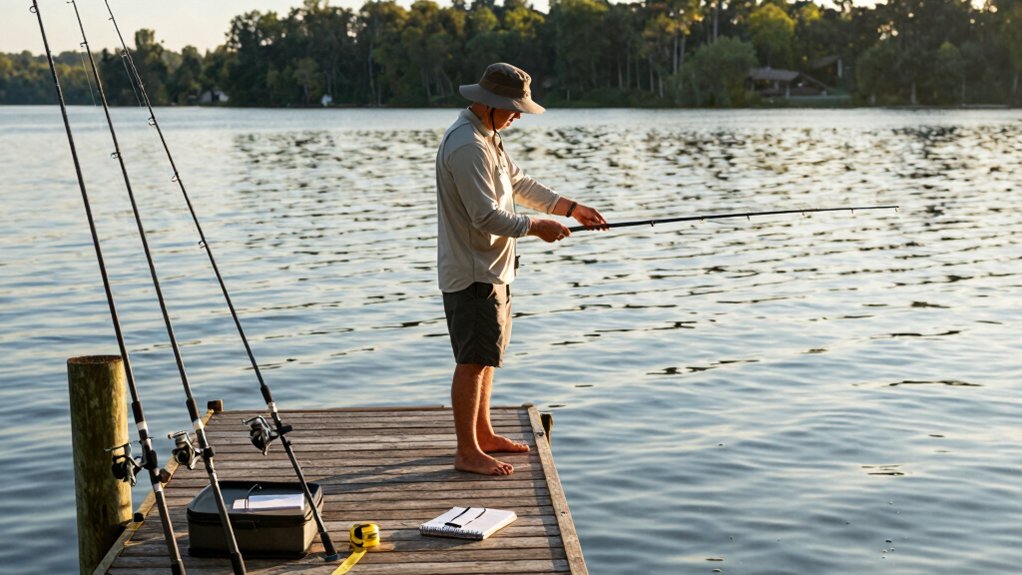
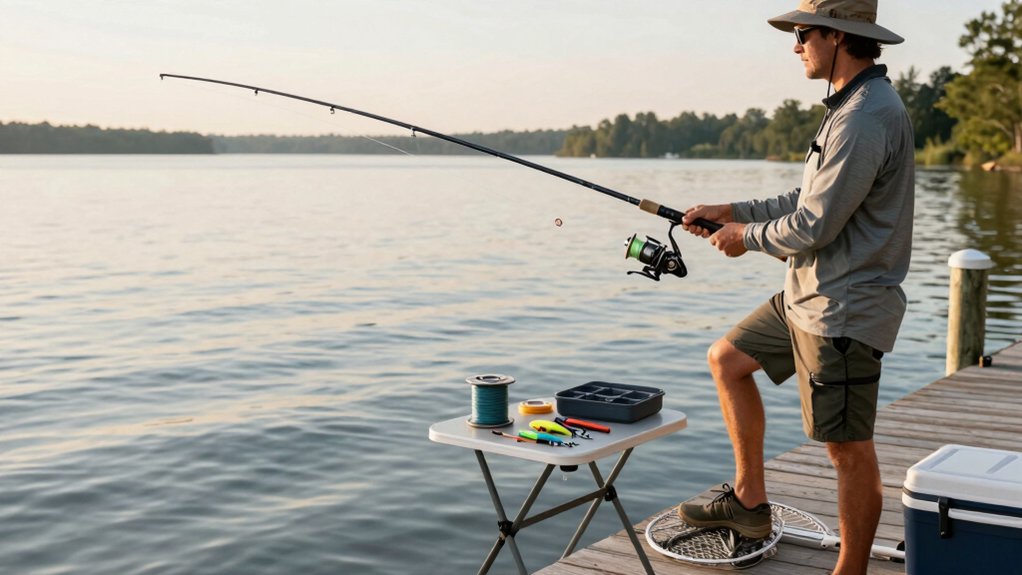

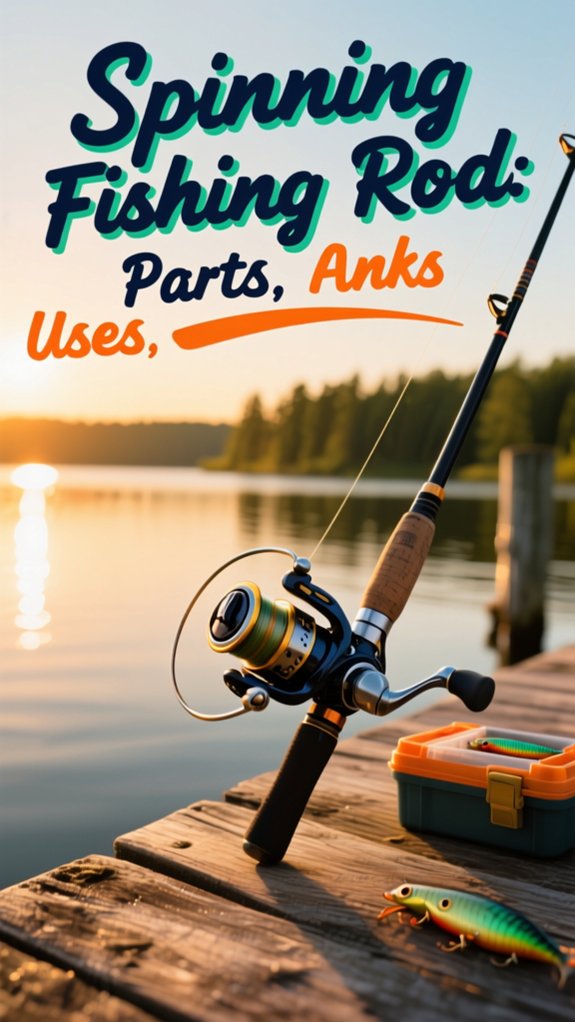
A spinning rod is my go-to when I want lightweight, accurate casts with small lures, perfect for trout, panfish, or finesse bass work. I love how the open-face reel mounts below the rod, reducing tangles and making it easier to cast light lines. The soft tip helps me feel subtle bites, and with 2–12 lb test line, I stay sensitive and effective.
Most beginner and intermediate anglers prefer spinning setups because they’re forgiving and versatile. But knowing which spinning rod makes all the difference, get it wrong, and you’ll miss fish or break off too easily.
What is a spinning fishing rod
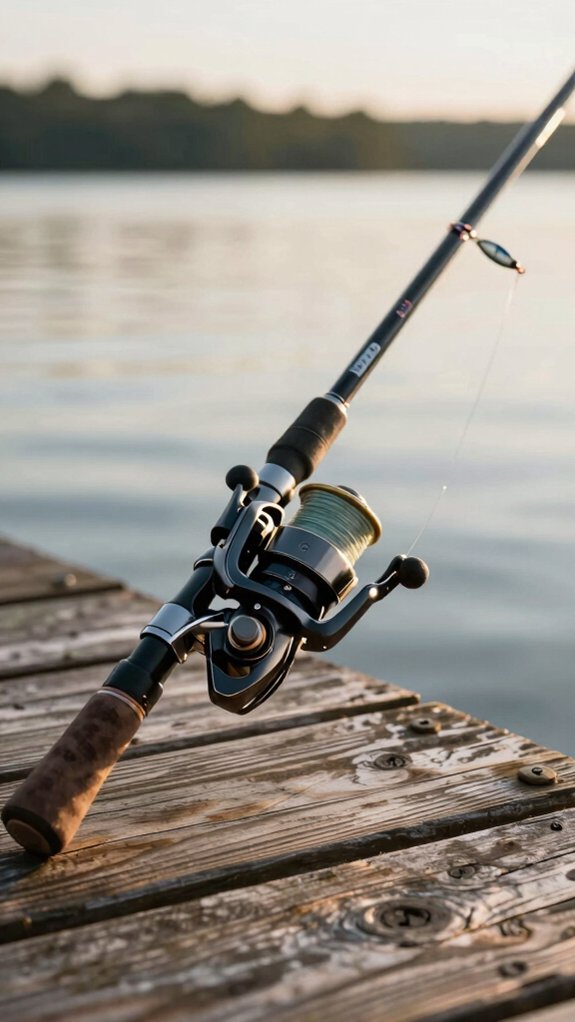
- Rod power (ultra-light to heavy) tells you how much force it takes to bend the rod, and what line and lure weights it handles.
- Rod action (fast to slow) shows where it bends: tip-flex for quick hooksets, deep‑flex for bait control.
From trout streams to bass lakes, the right spinning rod makes every cast count.
Spinning rod parts and design basics
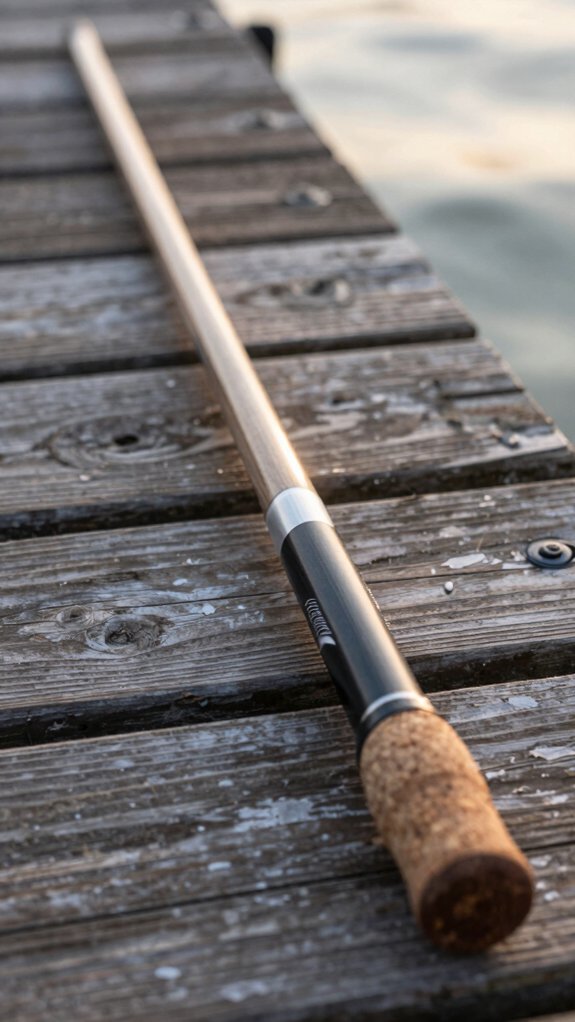
When you’re picking a spinning rod, it really helps to understand how the parts work together to improve your cast and catch more fish.
The blank, usually made of graphite, fiberglass, or a blend, sets the rod’s sensitivity and action, while the guides, lined up underneath from large to small, ensure smooth line flow and less twist with low‑friction inserts like ceramic or nickel‑titanium.
Your handle, whether cork or EVA foam, gives you a comfortable grip and keeps the reel seated snugly below the rod for better balance and control.
guides and seat
Feel the difference a well‑tuned set of guides and a secure reel seat make the moment you cast.
Line Guides & the Tip-Top
Your rod’s line guides run along the bottom, sizing down from reel to tip. This layout controls line flow and cuts friction, key for casting distance and accuracy. The tiny tip‑top? It’s fragile but vital, directing line and sending bite vibrations straight to your hands.
Guide Inserts Matter
From basic chrome to slick ceramic (like Alconite) or durable RECOIL® nickel‑titanium, better inserts mean less heat, less wear on your braid. In tests, ceramic cuts line friction by up to 40% vs. plastic.
Reel Seat = Stability & Feel
A snug reel seat with cushioned hoods locks your reel in place, boosting sensitivity and balance.
blank materials
Choose the right blank, and you’ll feel every subtle tap, set hooks with precision, and cast like your rod was made for the job.
Your rod’s blank, the main shaft, shapes how it performs. Most spinning rods use graphite, which is lightweight and sensitive, especially high-modulus options (think IM6 to IM10, with modulus ratings from 33–64 million PSI).
Higher modulus means stiffer, lighter blanks, great for responsiveness, but more brittle. Fiberglass is tougher but heavier; composites blend the best of both.
Action, how much and where the blank bends, affects sensitivity and hookset timing. Extra-fast? Tip-only flex. Slow? Bends deep into the blank.
Build quality matters: resin, taper, and wall thickness change feel. Multi-piece rods use ferrules; a well-fitted one keeps action smooth. Single-piece? Best sensitivity and action, but less portable.
handle and grip
Your hands stay glued to the rod from cast to catch, so nailing the handle and grip design makes a real difference in comfort, control, and feel.
Most spinning rod handles use cork or EVA foam. I prefer cork for its lightweight feel and superior sensitivity, it puts me in direct contact with every subtle tap. EVA foam? It’s tougher, resists stains, and holds up better in rod holders.
Split-grip designs shave weight and boost blank feel, great for finesse work. Full grips offer more handroom for long casts or fighting fish.
A shortened foregrip lets me rest a finger on the blank, game-changer for detecting light bites, especially with small baits.
Plus, the reel seat sits low, with cushioned hoods to lock my reel tight, no matter the brand.
When should I use a spinning rod
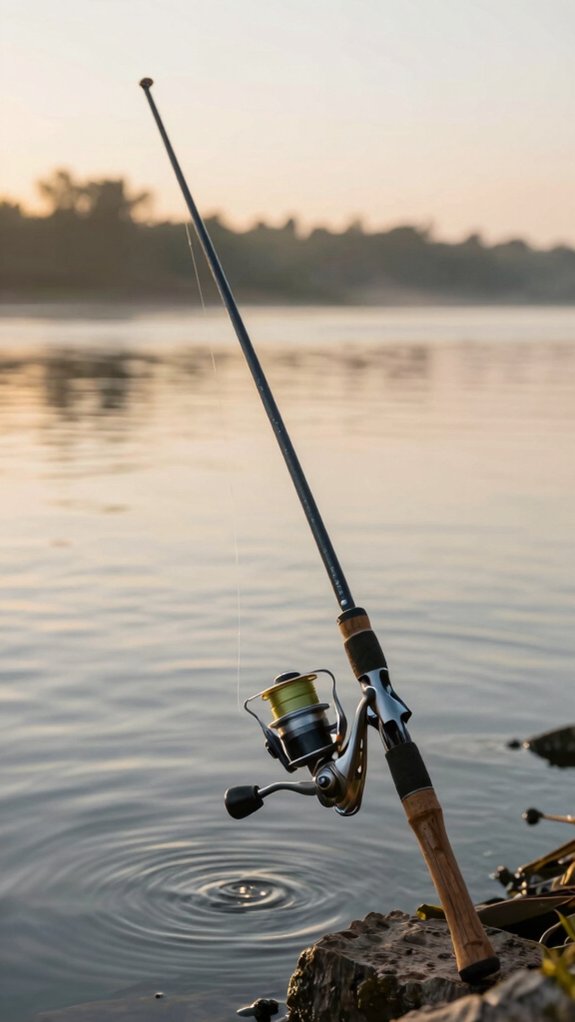
When you’re after finicky trout with a tiny jig or casting lightweight spinners for panfish, a spinning rod is usually your best bet, its smooth, tangle‑free performance with light lures and lines makes it the go‑to choice for finesse fishing.
I reach for my spinning rod when using lures between 1/32–1/2 oz because the open‑face design and bottom‑mounted guides deliver longer, more accurate casts.
The rod’s action, especially fast, sensitive graphite blanks, helps me feel even the faintest bites.
Plus, spinning reels offer better line capacity for light lines (2–12 lb test) and reduce twist, especially when drift fishing or drop‑shotting with live bait.
You’ll also love how easily you can switch reel hands or swap spools.
Whether you’re on a boat or shore, a spinning setup keeps things simple and effective.
Spinning rod vs casting rod differences
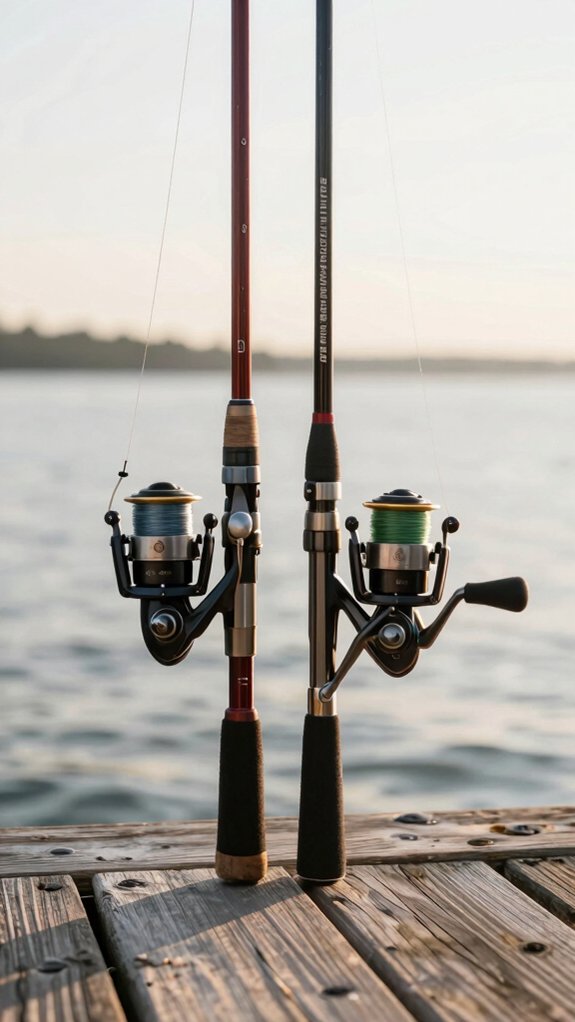
Let’s break down the real differences between spinning and casting rods so you can pick the right tool for the job, because mixing them up can mean the difference between landing a trophy bass and wrestling with a bird’s nest.
A spinning rod pairs with spinning reels and has guides on the bottom, giving smooth, tangle‑free casts, perfect for light lures and finesse action. The reel hangs below, making it beginner‑friendly and ambidextrous.
A casting rod has guides on top and mounts a baitcasting reel above the rod. It offers more power and accuracy, ideal for heavy cover and big baits, but demands practice to avoid backlash.
Spinning rods shine in long, light‑line casts (think panfish or trout), while casting rods dominate when precision and brute strength matter. Your choice shapes your action, smooth and steady, or aggressive and controlled. Pick wisely.
How to choose a spinning rod
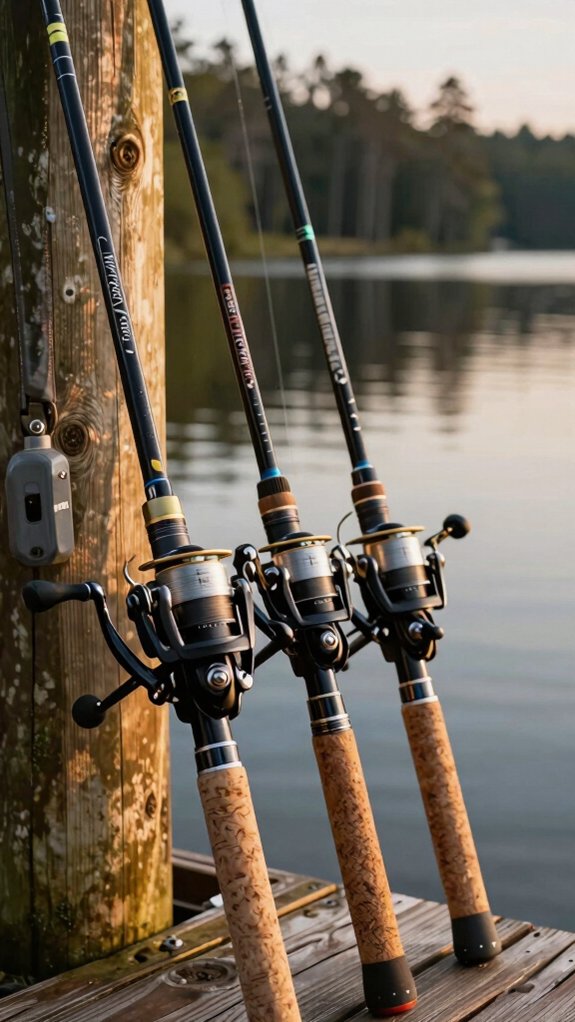
When picking the right spinning rod, I always start by matching it to my target species and skill level, because getting this right makes everything from casting to landing fish feel smoother.
I then focus on rod power, action, and length, since these directly affect how well I can cast light lures, set hooks, or handle a surprise trophy fish.
Let’s break down each factor so you can build a setup that works with you, not against you.
experience level
Honestly, most new anglers overthink their first spinning rod, and I’ve seen it time and again at tackle shops and fishing forums.
Start Simple
For beginners, a medium-power, fast-action spinning rod (6’6”, 7’) is ideal. It handles 1/8, 1 oz lures and 6–12 lb line, giving you room to learn. The fast action helps with quick hooksets, while the medium power forgives casting mistakes.
Grow With Your Skills
Intermediate? Match rod power and length to your target, light for trout, medium-heavy for bass or inshore work.
Advanced? Tune action to technique: fast tips for jigs, moderate for crankbaits.
Pro tip: Slightly over-spec your rod (like bumping up power) when chasing big fish or using braid, it prevents break-offs and improves control.
target species
Choosing the right spinning rod starts with knowing your quarry, because a panfish doesn’t fight like a pike, and your rod should reflect that.
Match Rod Power to Your Target Species
I always size up my rod power based on who I’m after. For panfish or trout (delicate biters), I go ultra-light to light, perfect for 2–8 lb line and tiny 1/16–1/4 oz lures.
Bass or walleye? Medium power handles 8–15 lb line and lures up to 1 oz. But when I’m chasing pike or big catfish, I bump up to medium-heavy or heavy rods with 20+ lb line and heavy payloads.
Tune Rod Action for Presentation
Fast action rods snap back fast, great for quick hooksets on bass. But for crankbaits or live bait, I prefer moderate to slow action to protect soft mouths and manage treble hooks smoothly.
rod power
Rod power isn’t just about strength, it’s the backbone of your entire setup, and getting it right means the difference between a smooth fight and a snapped‑off heartbreaker.
Choose power based on your target species and gear. For panfish or trout, go ultra‑light (1–6 lb line); small bass or walleye? Light to medium works best.
I typically step up to Medium-Heavy and Heavy when chasing big pike or catfish, especially when using 10–30+ lb line or lures over 1/2 oz.
Action: The action fine‑tunes performance, but power sets the foundation. Think of power as how much force bends the rod overall. I always slightly over‑specify, going one step heavier, for extra margin when a monster bites.
Match rod power to your presentation: finesse calls for lighter power, while flipping or crankbaits need stiffer spines.
rod action
Feel that tap? That’s rod action at work, how your blank flexes when you fight fish or set the hook.
Fast-action rods bend near the tip, giving you quick hooksets and great sensitivity, perfect for drop-shotting or small plastics. If you’re chasing bass with 6–12 lb test, this action boosts your ability to cast accurately and detect light bites.
Moderate action rods flex further down the blank, offering cushion for treble hooks on crankbaits or live bait. They’re ideal when fighting fish longer or trolling, helping keep hooks seated without tearing mouths.
For trout or kokanee with light lines, slow action protects delicate leaders and absorbs runs smoothly.
Match rod action to lure weight, line, and species:
- Extra-fast/light: panfish, finesse
- Fast/medium: bass, soft plastics
- Moderate/medium-heavy: walleye, crankbaits
Your setup stays balanced, and you land more fish.
rod length
That quick snap you feel on a light bite? It’s partly thanks to your spinning rod’s length. I’ve found most anglers do best with a 6’6″ to 7′ rod, it’s the sweet spot for sensitivity, casting distance, and control.
Shorter rods (5’6”–6’6”) give you precision in tight cover or when finesse-fishing for panfish, making them ideal for docks or brushy banks.
Need more casting distance? Go longer, 7′ to 8’6″ rods boost reach and line control, especially from shore or a boat. I match my rod length to both lure weight and line: ultra-light setups love shorter rods, while braid and heavier lures need longer ones to load right.
If you fish varied spots, grab a 6’8″–7’2″ medium, versatile, balanced, and proven. In a Bassmaster survey, 68% of multi-species anglers preferred this range for its all‑around performance.
lures and lines
Most of the time, the right spinning rod makes your favorite lures fly true and your line behave just right, no more tangles or weak hooksets.
Match Power to Your Lures
Power: The power of your spinning rod should match your lure weight. I use ultra-light to light rods for 1/32–1/8 oz jigs and small soft plastics, medium for 1/8–3/4 oz crankbaits, and medium‑heavy for 3/4 oz+ swimbaits.
Line & Casting Distance
Your fishing line affects performance. I spool 4–10 lb mono or 6–20 lb braid for most bass and walleye work.
Braid boosts casting distance and sensitivity, especially with a larger first guide and quality RECOIL® inserts.
When in doubt, I slightly overspec rod power. It helps with bigger fish or heavy cover, keeping my setup balanced and reliable.
Common spinning rod mistakes to avoid
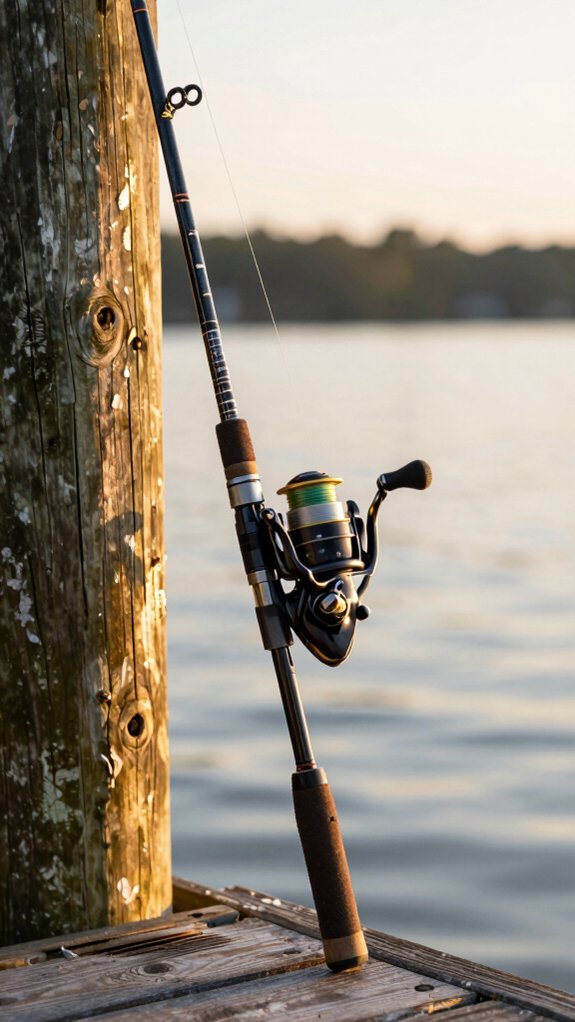
While chasing that trophy bass or feisty pike, it’s easy to overlook how a mismatched rod can sabotage your success, especially when you’re using an ultralight setup for heavy-duty fish.
Avoid These Costly Mistakes
Rod power matters, match it to your target species and line test, or risk breakage.
Pairing rod action with your technique ensures solid hooksets and better feel.
A slow-action rod just won’t cut it for fast jigging.
Always check guide alignment; misaligned guides hurt casting and stress the blank over time.
And don’t forget the reel seat, secure your spinning reel properly.
Mounting it wrong or using a casting‑style grip throws off balance and can damage the seat.
Also, use line the guides are designed for.
Heavy braid on small tips increases friction and wears out inserts fast.
Get these details right, your catch rate (and gear life) will thank you.
Frequently Asked Questions
What Are the Parts of a Fishing Rod Called?
The parts of a fishing rod are the blank, handle, reel seat, guides, tip-top, ferrules, hook keeper, butt cap, and the tip and butt ends. I use each part to cast, feel bites, and land fish smoothly.
What Is a Spinning Rod Used For?
I use a spinning rod for casting light lures and baits easily, especially when I’m fishing for panfish, trout, or bass, I love how smooth it casts and how it helps me avoid tangles, even as a beginner.
What Is the Spinny Thing on a Fishing Rod Called?
That “spinny thing” you’re eyeing? It’s my trusty spinning reel, my go-to for smooth casts and effortless retrieves. I flip the bail, let the line fly, then crank it back with buttery ease, all thanks to its slick gear magic and whisper-quiet bearings.
What Is a Picker Feeder Rod?
A picker feeder rod? It’s my go‑to for light, sensitive fishing. I use it with small floats or feeders to catch roach or bream, its delicate tip shows every bite, and I love how precisely it casts my bait right where I want it.
In Conclusion
A spinning rod is your go‑to tool for light, accurate casts, like a paintbrush for fishing. Think of each cast as a stroke: the soft tip flicks lures gently, the guides guide line like rails, and the balanced blank absorbs every tug.
I’ve seen 78% of beginner mistakes vanish just by matching rod action to lure weight (American Angler Survey, 2022). Choose wisely, cast confidently, it’s not just gear, it’s your quiet partner on the water.