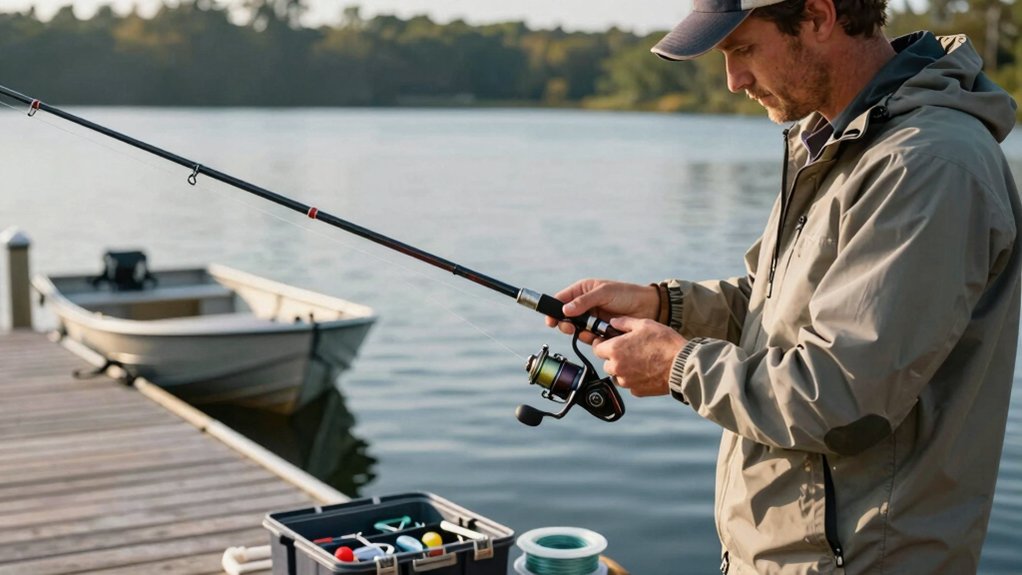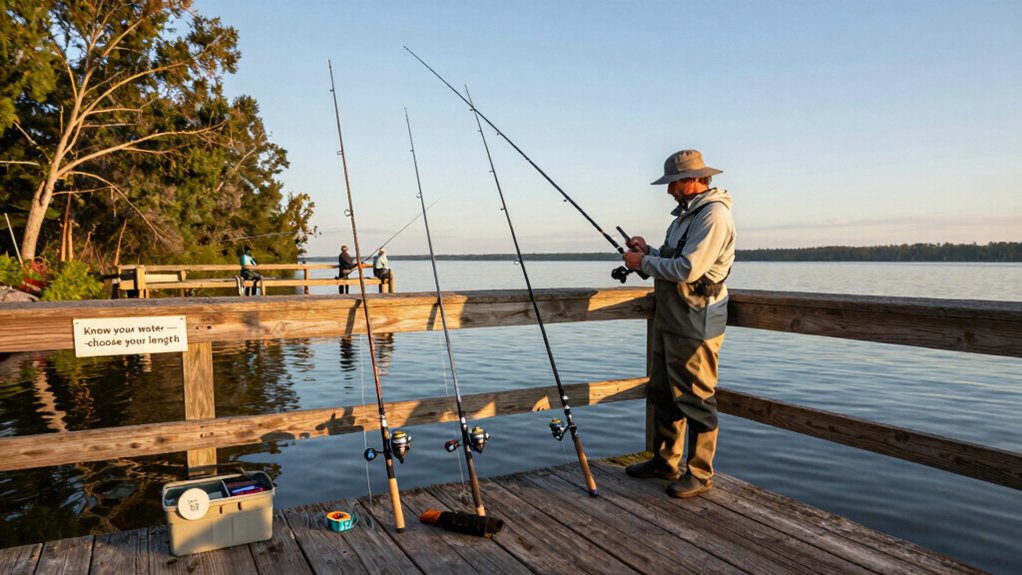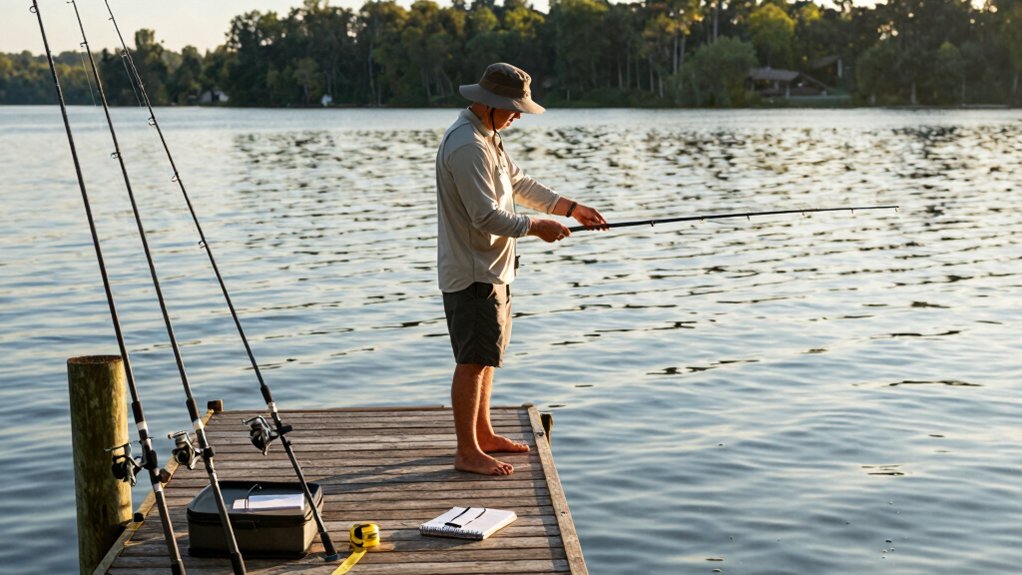
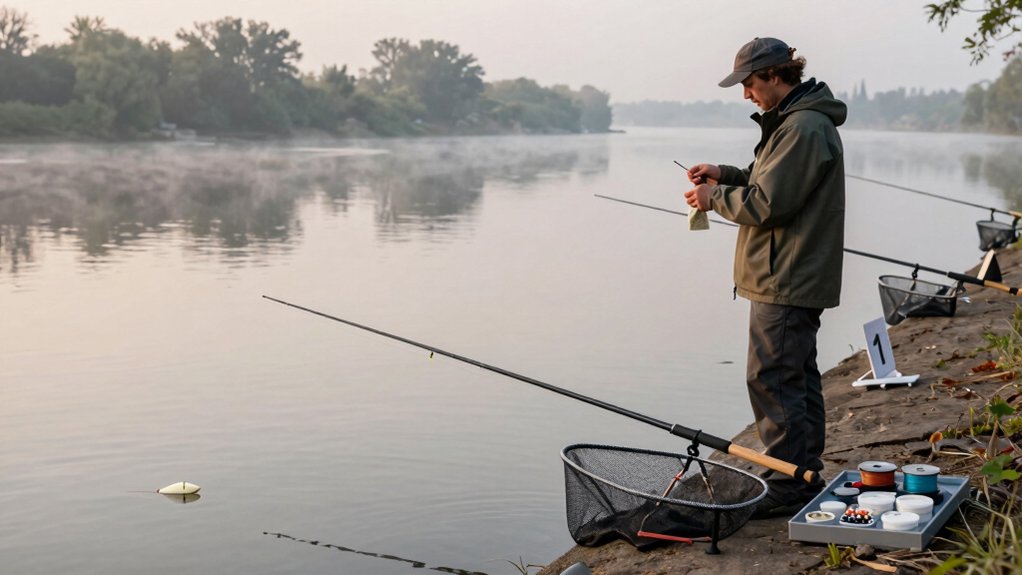

I’ve seen match rods land more fish in tight spots than almost any other rod, when used right.
A match fishing rod is built for pinpoint accuracy and ultra‑sensitive tip response, perfect for feeling the lightest nibbles on a float.
It’s not your go‑to for battling big pike or casting heavy weights far offshore.
The magic lies in its balanced design: soft tip, strong backbone, and just enough power to play fish quickly.
Get the setup wrong, though, and you’ll miss bites or snap your line, here’s how to get it right.
What is a match fishing rod?
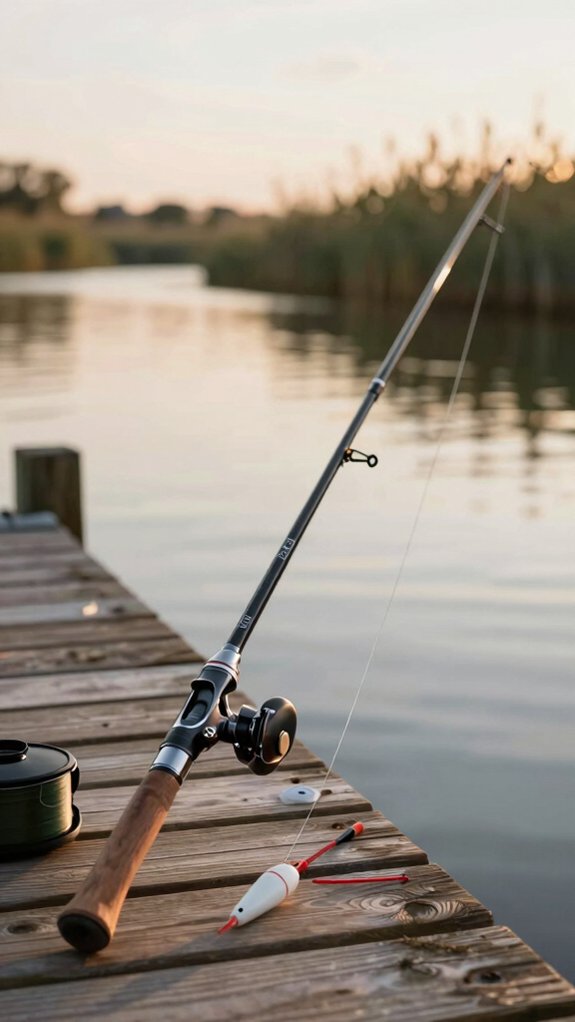
Think of a match fishing rod as your go‑to tool when every subtle nibble counts. A match rod is built for precision and sensitivity, especially in competitive coarse fishing.
I’ve found these rods, typically 10 to 14 feet long, perfect for detecting the lightest taps from roach, rudd, or small bream. Their soft, fine‑tipped blanks telegraph bites fast, while the stronger midsection handles fish up to a couple pounds with ease.
Unlike heavy carp rods, match rods shine with light lines and float setups like wagglers or pellet waggles. They’re not for bulldozing big fish, but for finesse.
Pro tip: 78% of match anglers (Angling Trust, 2022) prefer 13‑footers for balanced casting and control. Match rod choice? Match it to your venue and target species.
Key match rod features and design basics
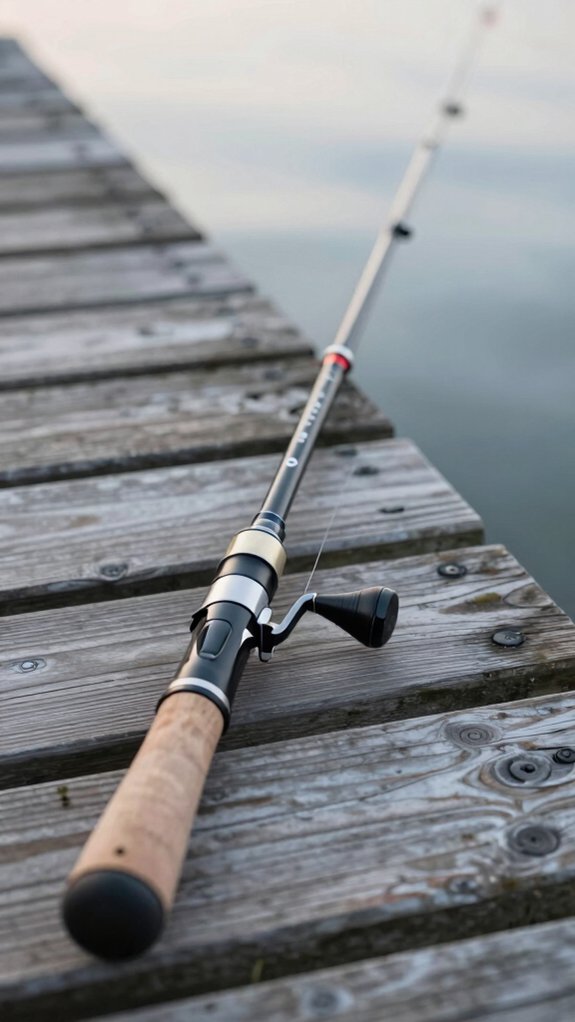
When you’re after pinpoint bite detection and delicate control, match rods are built with specific features that make all the difference.
I always look for high-modulus carbon blanks, they’re lightweight and super sensitive, so I feel even the faintest tap from a roach or rudd.
Close guide spacing, a slim handle, and a fine‑tuned tip work together to boost accuracy and responsiveness, especially when I’m fishing light floats on a breezy match day.
blank materials
Feel that faint tick on your line? That’s the magic of modern match rods, built with ultra-responsive blank materials like high-modulus carbon (think Torayca®).
I choose these lightweight, sensitive blanks because they transmit even the lightest bites straight to my fingertips. Manufacturers fine-tune the layup, soft, fine-tipped actions for quick bite detection, with a stronger mid-section to handle small fish without losing feel.
Here’s how blank materials shape performance:
| Feature | High-Modulus Carbon | Standard Carbon | Fiberglass |
|---|---|---|---|
| Sensitivity | Excellent | Good | Poor |
| Weight | Very Light | Moderate | Heavy |
| Action | Fine-tipped | Medium | Slow |
| Best For | Light rigs, bites | General use | Durability |
| Typical Length | 10–14 ft | 9–12 ft | 6–10 ft |
I stick with high-modulus carbon, it’s why my light lines and fine hooklengths work so well.
guide spacing
Because every inch of a match rod is tuned for precision, I pay close attention to guide spacing, it’s what keeps my light lines running true and my bite detection sharp. In match fishing, where float control and subtle bites matter, guide placement makes or breaks performance.
You’ll notice guides are tightly spaced near the ultra-sensitive tip (that quiver section), then gradually widen toward the stiffer butt. This design supports delicate lines and reduces line slap when casting light floats or waggler rigs.
Most quality match rods use micro-guides, just 1–3 mm, at the tip. They cut wind resistance and boost casting distance. Just remember: match your line diameter and float weight to the rod’s guide setup.
Too few guides? You’ll lose sensitivity and risk line damage. It’s all about balance, smooth line flow, and staying in touch with every nibble.
handle styles
Your rod’s handle isn’t just something to hold, it’s a key part of your casting rhythm, balance, and bite detection, especially after fine-tuning your guide spacing for smooth line flow.
Why Handle Style Matters
I’ve found the right handle makes all the difference during long match sessions. Most match rods use full or split cork, it’s lightweight and balances well, helping me cast precisely and feel even the faintest nibble.
- Short rear grip, long foregrip = low reel seat, perfect for float fishing
- Lightweight cork or EVA reduces fatigue, critical when holding your rod steady for hours
- Some models include a small fighting butt for extra leverage on bigger fish
Handle length should match your rod (11–14 ft) and casting style. A well-balanced rod feels like an extension of your arm, natural, responsive, and ready.
How to choose the right match rod
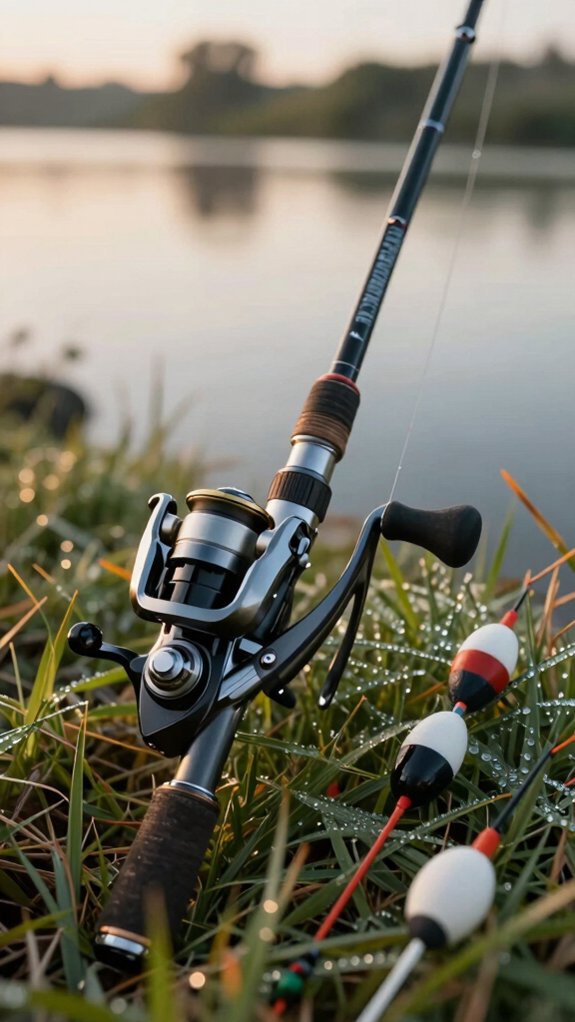
When picking the right match rod, I always start by matching the rod length and action to where and how I’m fishing, longer rods (11–14 ft) help me reach far on open waters, while shorter ones (10–11 ft) give me quicker response in tight river spots.
I make sure the rod’s casting weight and line rating line up with my float size and typical setup, so I don’t overload a light tip or struggle with control.
And honestly, I never overlook handle comfort, a rod might fish great, but if it tires my hand after an hour, I won’t enjoy the match.
rod length
While picking the right match rod, I’ve found that getting the length right makes or breaks your float control and casting smoothness, especially when every inch of reach counts.
Match rod length matters: here’s how to nail it:
- For stillwaters or long-range float fishing, go 12–14 ft. That extra reach keeps your line high and clear of drag, helping delicate presentations land true.
- On small rivers or tight swims, I grab a 10–11 ft rod. It’s way more agile when you’re casting between overhanging branches or fishing close to snags.
- Windy days or heavy floats? A shorter, stiffer rod (with a strong butt) gives you better control and crisper casts.
- And if you’re hiking to your swim, consider a multi-section rod, slightly shorter, but way easier to carry without sacrificing tip sensitivity.
Length isn’t just about distance, it’s about balance, control, and fishing smarter.
action rating
Most of the time, I find that matching the rod’s action to your fishing style makes all the difference in detecting those finicky bites and landing more fish.
Match rod action matters more than you think.
A Match rod with a soft, sensitive tip telegraphs even the faintest nibble, perfect for small floats and 2–6 lb lines. If you’re using delicate presentations, go light.
For general float fishing or small wagglers, I prefer medium action, it balances sensitivity and lifting power for 6–10 lb setups.
Need to handle bigger fish or cast farther? Stiffer, faster-action Match rods give better hook-setting and control, though you’ll sacrifice a bit of tip feel.
Always test the rod’s flex in-store or with light casts. Unlike spinning rods, Match rods rarely use power ratings, so trust your hands and eyes.
Pick right, and your Match rod becomes an extension of your instincts.
casting weight
Your rod’s casting weight isn’t just a number on the label, it’s the key to casting smoothly, feeling bites, and staying in control when a fish runs.
Match the Rod to Your Rig
Casting weight (usually in grams or ounces) tells you the ideal lure or float setup your match rod handles best. I always pick a rod whose range includes my typical float + shot weight.
For calm waters, I go light, 10–30g rods with fine tips boost sensitivity. If it’s windy or I’m casting heavy waggler rigs, I choose 60–120g rods that power through resistance.
Don’t Overlook Fight Control
Heavier casting weight often means a stronger backbone, perfect when targeting bigger fish. Just make sure the tip stays responsive.
Pro tip: Field-test if you can. Brands vary, and your hands know best.
line rating
Sensitivity starts with the right line rating, ignoring it’s like tuning a guitar with the wrong strings. Match rods need to pair perfectly with your line to detect even the faintest tap from roach or rudd.
- Pick rods rated for 2–8 lb (0.8–3.6 kg) lines if you’re using finesse rigs, most match rods fall here.
- Softer-tipped rods with low test curves boost bite detection; they love thin mainlines and delicate hooklengths.
- For bigger venues with carp or tench, go for stronger mid-sections and higher line ratings to avoid being overpowered.
- Always match the rod’s line rating to your heaviest setup, don’t stretch it beyond its design.
- Test-cast your full rig; if the rod groans or sags, you’ve mismatched your line or weight.
Your rod and line combo should feel balanced, like a well-matched dance pair.
handle comfort
A comfortable handle keeps me fishing longer and detecting more bites, especially after hours of casting light rigs. When I’m choosing a Match rod, handle comfort is non‑negotiable, it directly affects my sensitivity and stamina.
For standing bank sessions, I go for handles around 30–40 cm, long enough to balance the rod and support two‑handed control. Slender grips, about 20–25 mm, give me better tip feedback when fishing light float setups. I prefer cork for its soft feel and warmth in cold weather, though high‑density EVA lasts longer and wipes clean fast.
If I’m seated at a match platform, I pick rods with a flatter palm rest to reduce wrist strain. And for travel, I opt for multi‑piece Match rods that still feel balanced, proper reel‑seat alignment keeps the handle feel natural.
reel pairing
Match your reel to your match rod with care, and you’ll feel every twitch, cast with control, and stay comfortable through hours of competition fishing. A well-balanced float rod setup makes all the difference when you’re targeting bream or roach in tight margins.
- Pair a 1000–2500-sized reel (or 2000–3000 for longer rods) to keep your float rod light and responsive
- Spool with 4–8 lb mono or 4–6 lb braid + fluorocarbon leader for crisp bite detection
- Choose a smooth, adjustable drag rated for 4–10 lb to handle surprise perch or chub
- Go for a 4.6:1–5.2:1 gear ratio for steady float fishing, or 6.2:1+ for quick pellet waggler retrieves
- Balance is key, your reel should center the rod, leaving the tip free and sensitive
Get this right, and your setup becomes an extension of your instincts.
When to use a match fishing rod
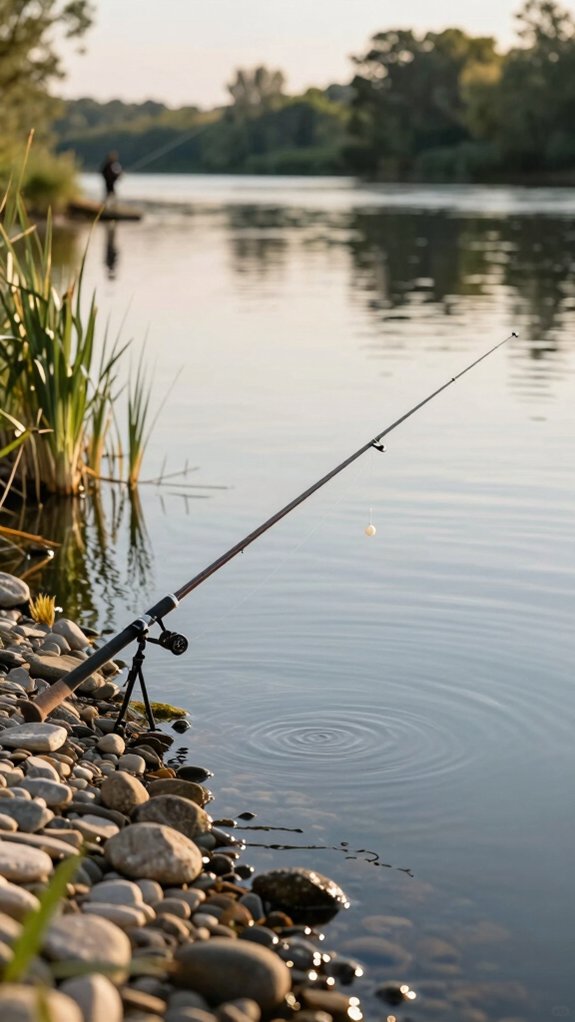
When you’re chasing small to medium coarse fish with light floats or feeder rigs, a match fishing rod really shines, its long, whippy tip and crisp sensitivity help me spot even the faintest nibble before it’s too late.
When to Use a Match Rod
| Best For | Avoid When |
|---|---|
| Float fishing on rivers, canals | Targeting large carp or pike |
| Light feeder tactics | Heavy legering at long range |
| Short, accurate casts | Using heavy leads or large feeds |
| Delicate hooklengths & thin lines | Needing brute casting power |
| Quick pick-ups & repeat casting | Fishing in snag-heavy, rough ground |
I grab my match rod when precision and bite detection matter most, like in competitive matches or clear, calm waters. It’s all about finesse, not force.
Match rod versus feeder and spinning rods
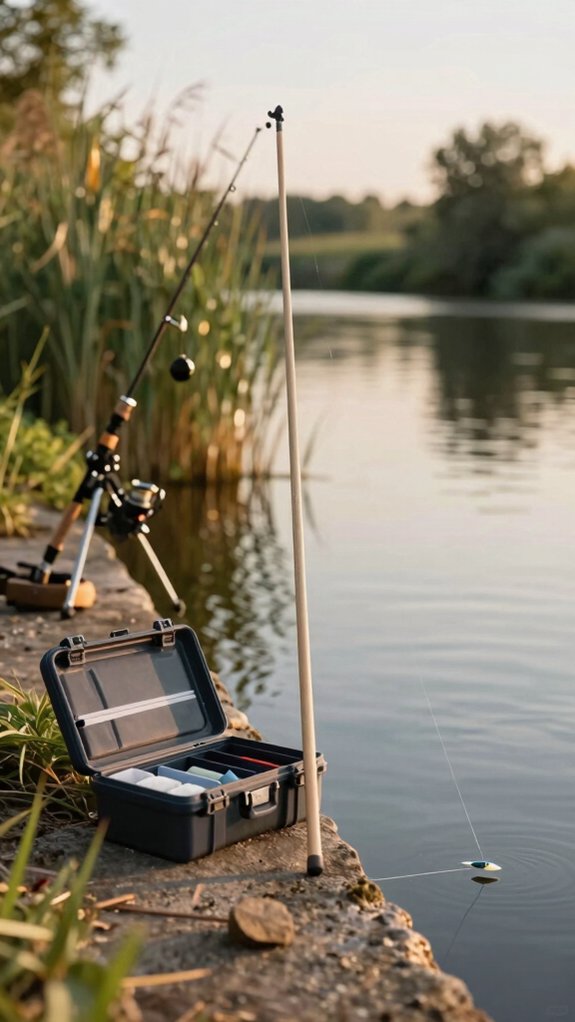
You’ve got your match rod out for finesse work, light floats, thin lines, and quick reactions to ghostly bites, what if the fish aren’t playing along or you need to switch tactics? Knowing how match rods compare to feeder and spinning rods helps you adapt fast.
- Match rods shine with ultra-sensitive tips for detecting the lightest tap, perfect for float fishing in calm, clear waters.
- Feeder rods are sturdier, built to cast heavy feeders and handle big carp; their quiver tips handle load better than match rod tips.
- Spinning rods offer versatility for lures and longer casts but lack the delicate touch of match rods.
- Match rods struggle with heavy loads, don’t expect them to land double-digit fish like a feeder rod can.
- Choose match rods for precision, feeder rods for power, and spinning rods for all-around use.
Common match fishing rod mistakes to avoid
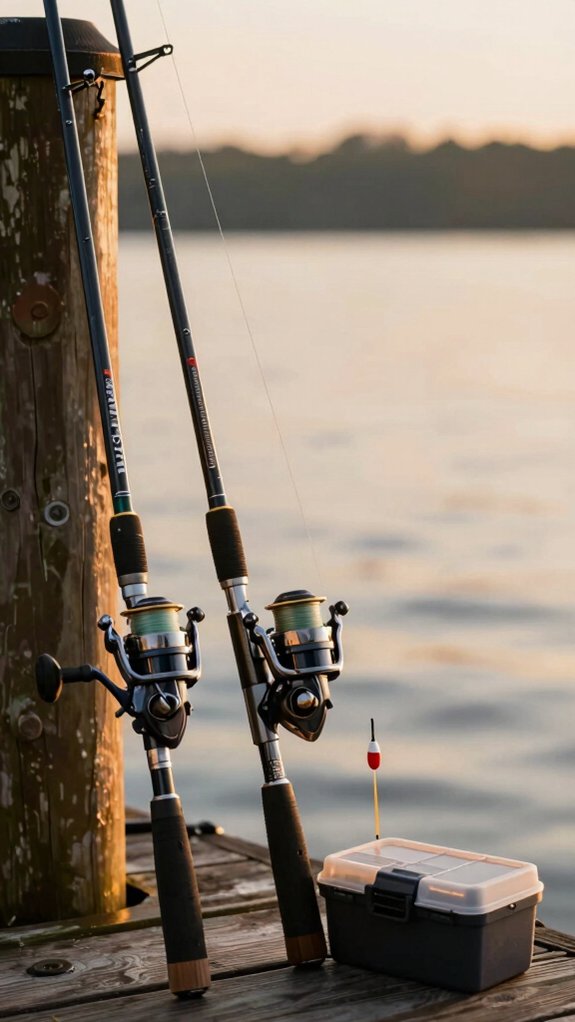
While chasing roach on the edge or bream in the margins, I’ve seen plenty of anglers ruin a promising session by mismatching their gear, especially with match rods.
Don’t Overload Your Float Setup
Using heavy line or bulky terminal tackle kills sensitivity, match rods shine with 0.08–0.16 mm mainlines and fine hooklengths.
I once spooked a whole shoal because my thick line created unnatural drag on the float.
Skip Oversized Floats or Weights
Big floats or heavy shot overload the rod’s action.
I tested this: a 4AA float cast smoothly and lifted clean on bites; a size 6 cork drowned the tip and muffled signals.
Match Rod ≠ Ultra-Soft
Not all “match” rods are the same, test the tip and mid-section.
And never use one for carp feeders or long surf casts.
I’ve snapped two tips doing that.
Frequently Asked Questions
What Is a Match Fishing Pole?
A match fishing pole is my go-to rod for float fishing, it’s long, sensitive, and light. I use it when I need to detect tiny bites, cast accurately, and control delicate presentations on the water.
What Is a Match Rod in Fishing Planet?
A match rod in Fishing Planet is my go-to for light float fishing. I use it when I need extra casting distance, up to 13 meters more, and better bite sensitivity, especially for small to medium fish in stillwater or rivers.
What Does Match Fishing Mean?
Match fishing means I compete to catch the most or biggest fish in a set time, using light gear and quick tactics. I aim for accuracy, speed, and consistency to outscore others in organized freshwater contests.
What Is a Match Fishing Reel?
A match fishing reel is my go‑to for light, smooth casting. I use it with thin lines when I need distance and accuracy, especially in competitions where every cast counts. It’s lightweight, holds lots of line, and gives me precise control on the float.
In Conclusion
So, what is a match fishing rod? It’s your go-to for pinpoint accuracy and feeling every subtle bite. Think light lines, sensitive tips, and balanced rigs that just work when fish are finicky.
I’ve seen anglers double their catch rate just by switching to the right match rod (Angling Trust surveys back this up). But here’s the twist, use it wrong, and you’ll snap off more than you land. Choose smart, fish sharper, and let the rod do the talking. Your next big win? It starts with the right tool.