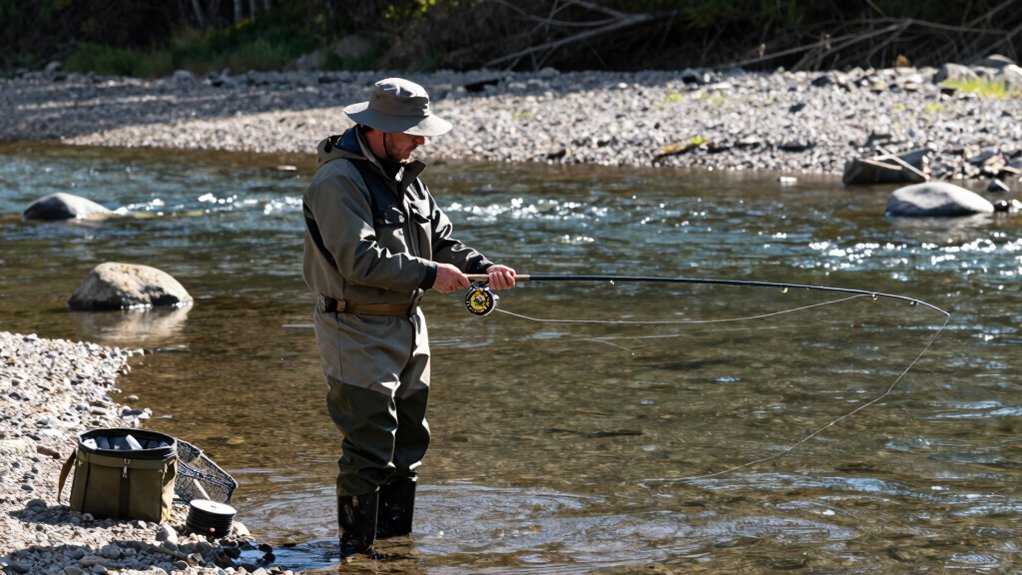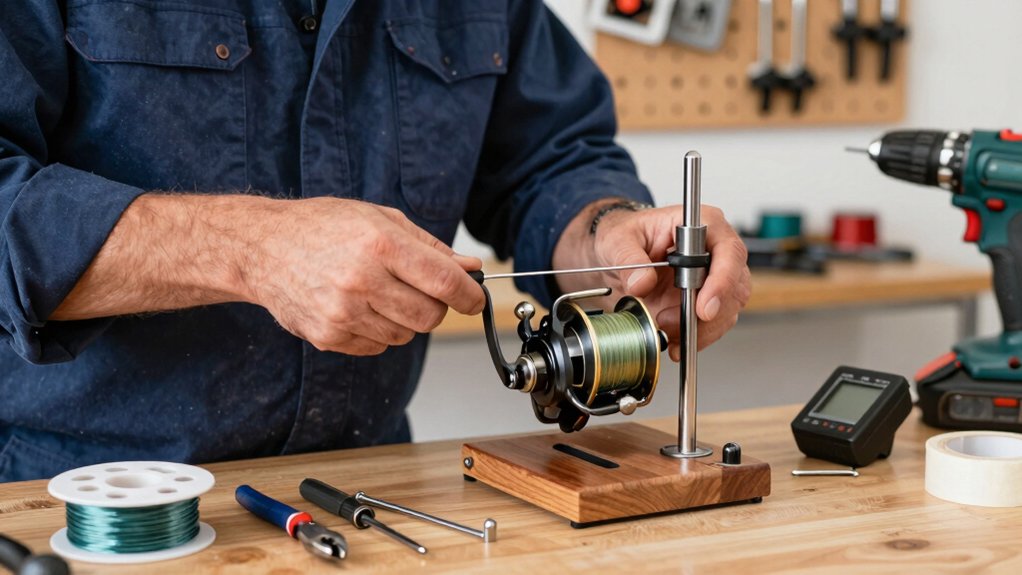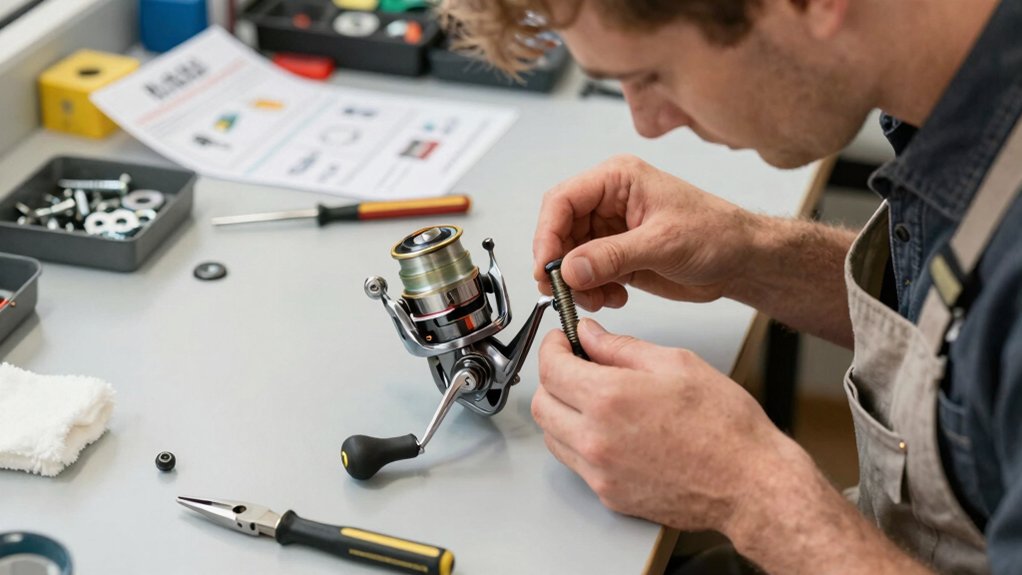
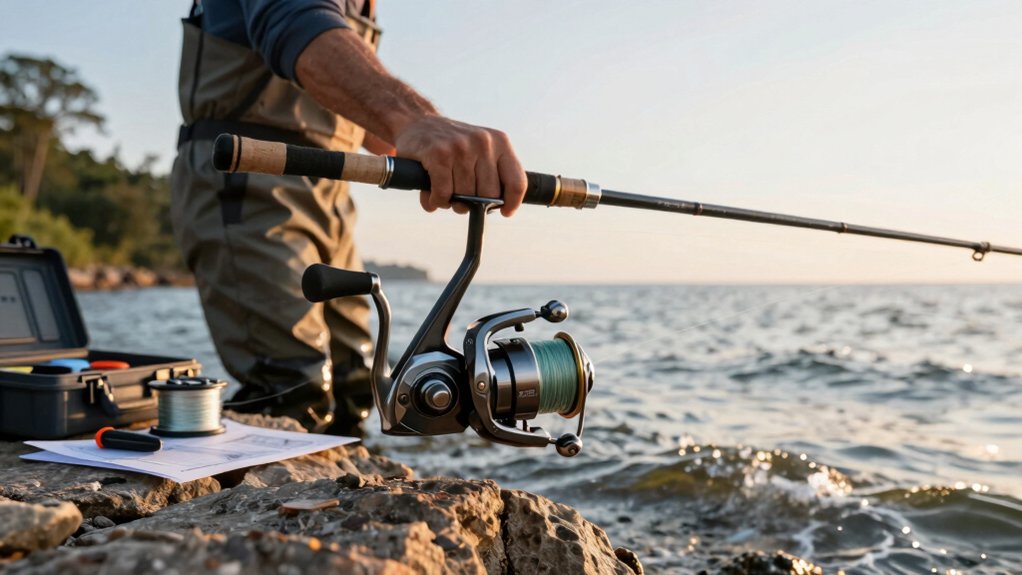

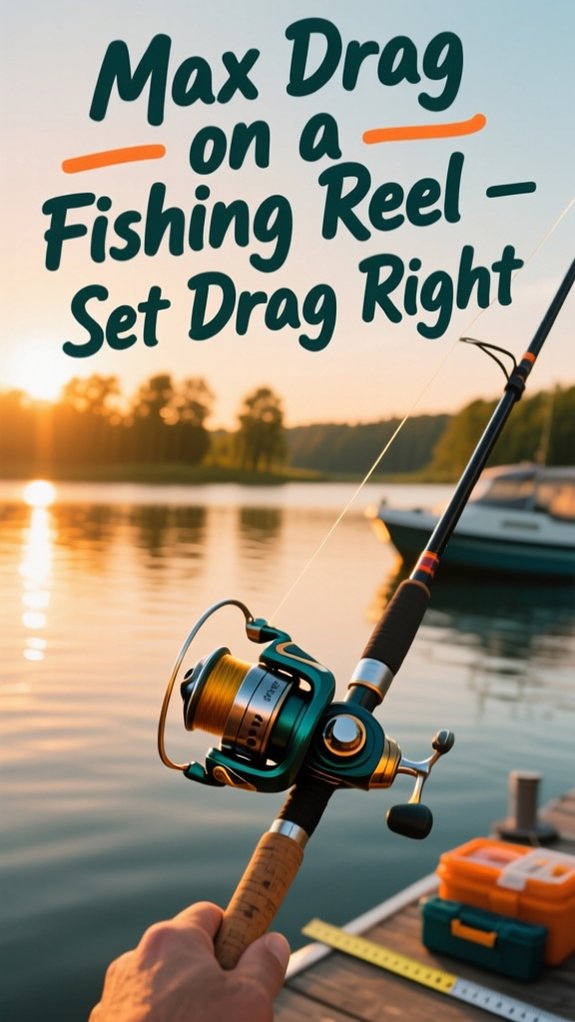
Max drag is the highest resistance your reel’s drag system can physically produce, think of it as the safety limit, not your go-to setting. I’ve seen too many anglers crank it to max and wonder why their line snaps when a big fish runs.
It’s measured in perfect lab conditions, so real‑world performance is always lower. Set it too high, and you risk busted knots or damaged gears. Here’s how to get it right without guessing.
What does max drag mean on fishing reels?
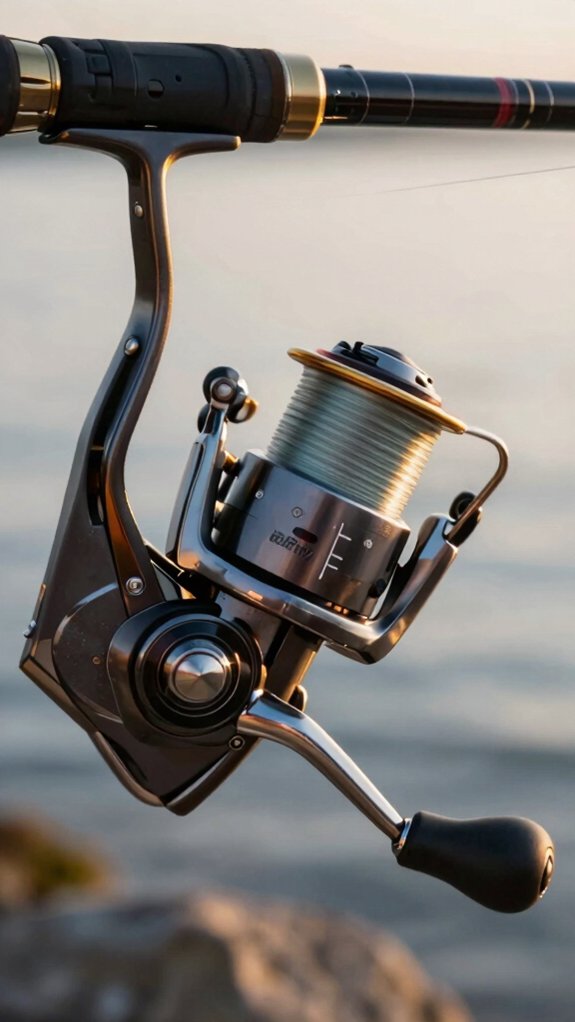
Max Drag isn’t the setting you should use, it’s the upper limit, like a car’s top speed. Most reels list this number under ideal conditions, so real‑world performance can be 10–20% lower due to heat, worn washers, or poor lube.
Here’s the key:
- Max Drag protects your gear by slipping before your line snaps.
- Set your drag correctly, aim for 25–33% of your line’s breaking strength.
- Even a 10–15 lb max drag reel can land big fish with good technique and a net.
Always set your drag below the max. That way, you stay in control, reduce break‑offs, and land more fish, without stressing your rod or knots.
How does a reel drag system work?
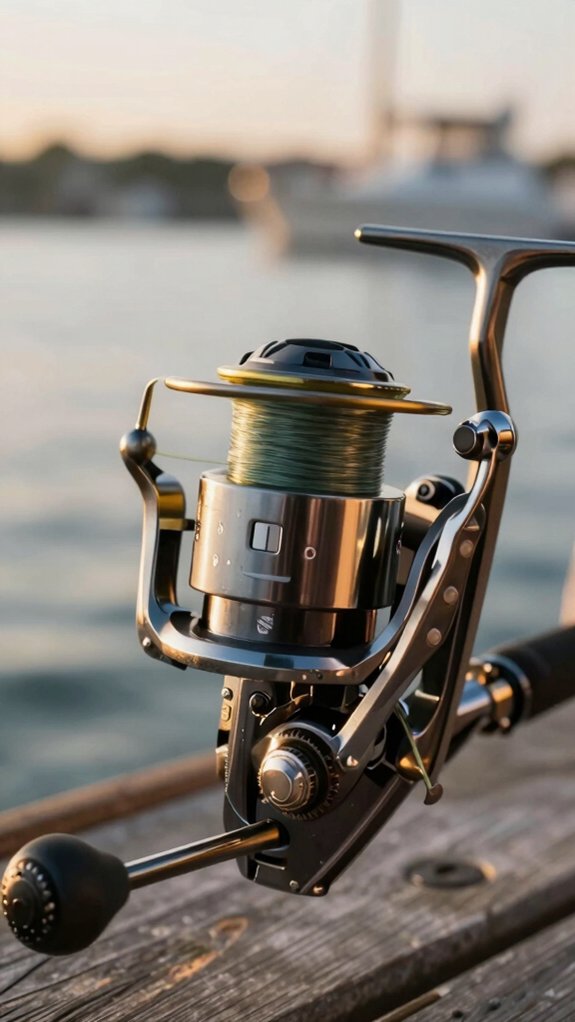
When you feel that sudden tug on your line and a fish takes off, it’s your reel drag system that keeps everything from snapping under pressure.
How Reel Drag Works
Think of your drag as a clutch made of stacked washers that create friction against the spool.
When a fish runs and the pull exceeds your preset strike drag, the line slips smoothly.
You adjust this resistance with the drag knob, tighten to increase pressure, loosen to reduce it.
More line on the spool means a larger radius, which actually reduces effective drag force at the line (torque = force × radius).
That’s why seasoned anglers often respool mid‑day.
The goal isn’t max power, it’s smooth, consistent slip.
A well‑tuned drag protects knots, prevents break‑offs, and helps you land more fish.
Max drag rating versus usable drag on water
| Factor | Lab (Max Drag) | Real World (Usable Drag) |
|---|---|---|
| Spool Level | Full | Varies |
| Rod Angle | Ideal | Dynamic |
| Heat Buildup | Minimal | High |
| Line Condition | New, knot-free | Knots, wear |
Usable drag drops due to line knots, heat, and rod angle. Most pros set strike drag at 25–33% of line strength, so 6–8 lb on 24 lb line, well below max.
If your line test beats the reel’s max drag, the reel slips instead of breaking line. Test your setup with a spring scale. Don’t just trust the number on the box.
Drag settings by line strength and rod
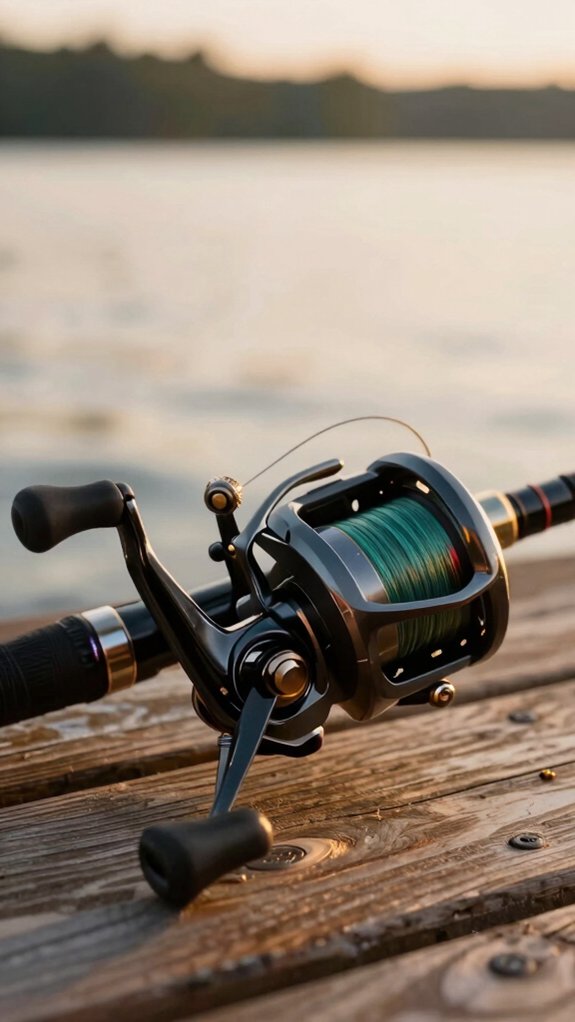
When setting drag, I always match it to my weakest line, whether it’s mono or braid, and never exceed a third of that line’s breaking strength.
If I’m using a light rod with a soft tip, I know it’ll absorb more shock, so I can run a slightly higher drag than with a stiff, heavy‑action rod.
That’s why I test my drag by pulling line with my hand at fighting angle, making sure it feels smooth and gives when needed.
mono lines
While your monofilament line might be rated for 15 or 20 pounds, I never set my drag anywhere near that max, doing so risks snapping the line, blowing out the reel, or bending the rod tip during a hard run.
Match Drag to Monofilament Breaking Strength
A good rule? Set drag at 25–33% of your line’s breaking strength. So with 15 lb mono, aim for 4–5 lb of drag. It slips before the line snaps.
Test & Adjust Like a Pro
Use a spring scale or hand‑pull test to check smoothness, no jerking. Reel max drag is a ceiling, not your setting. And during the fight? Tighten slightly to steer fish, then ease up. Let the rod absorb the surge.
Your mono, and your catch, will thank you.
braided lines
Dialing in the right drag for braided line starts with one key move: scale back from the braid’s max strength. Since braided line has almost zero stretch, aggressive drag settings can snap hooks or rod tips under sudden loads.
I keep my drag systems set to about 25–33% of the braid’s rating, so for 65 lb braid, that’s 16–22 lb of drag.
But here’s the handy hint: if you’re using a lighter mono or fluorocarbon leader (like 40 lb braid with a 12 lb leader), set the drag around 3–4 lb to protect the leader.
Always test your setup with a spring scale or hand pull, your spool should release smoothly, not jerk. And remember, even the best drag systems can’t fix poor technique. Match rod strength with smart pressure, not just raw power.
rod action
Because your rod isn’t just a stick that holds line, it’s an active part of your drag system, how it bends directly shapes how much pressure your line actually feels.
A fast-action rod transfers more load to the drag since it bends mostly at the tip, meaning you might need to set the drag a bit higher.
With a slow-action rod, the full blank flexes, absorbing surges and letting you use a lighter drag setting: perfect for protecting light line.
- Fast-action rods? Set drag slightly higher, less bend means less shock absorption.
- Slow rods? Go lighter on the drag; the rod does more of the cushioning.
- Always aim for 25–33% of line strength as a baseline.
- If the rod stays straight under pressure, your drag’s too tight, risking break-offs.
- Test your setup: pull line and watch the bend, your rod should load smoothly.
Match your rod and drag wisely, it’s the key to fighting fish, not gear.
How to set reel drag the right way
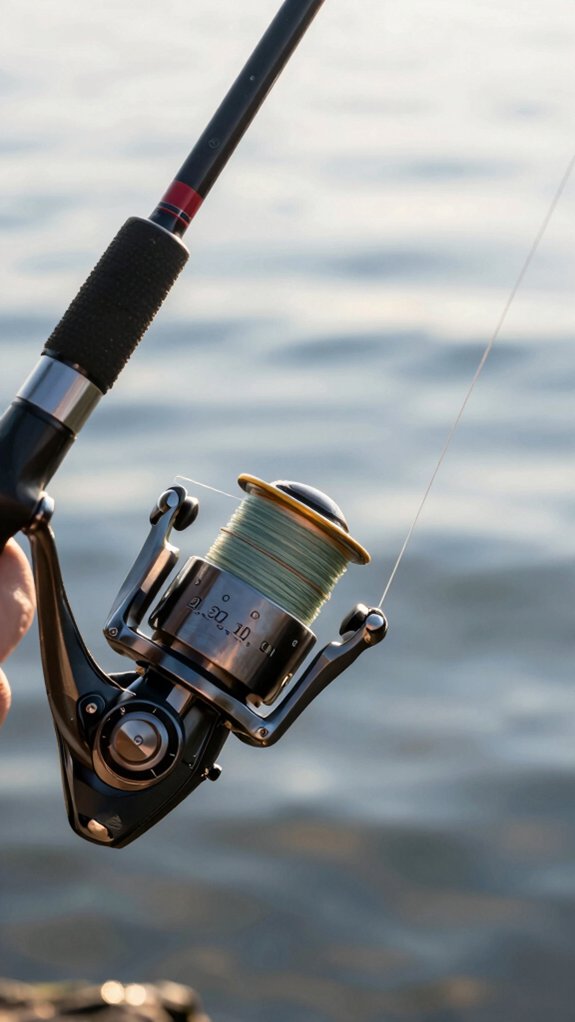
Here’s how I set drag right on both spinning and baitcasting reels: I start by adjusting the drag to about 25–33% of my line’s breaking strength, so around 6–8 pounds for 24-pound line, and then test it by pulling line off the spool with my fingers to make sure it slips smoothly.
I always check with a spring scale or by lifting a gallon jug (which weighs about 8 pounds) so I know exactly what the pressure feels on my reel. Once it’s set, I use my thumb and rod angle to control runs, especially when a fish dives into heavy cover.
spinning reels
Most of the time, getting drag right on a spinning reel comes down to balance, too tight and you risk snapping your line; too loose and the fish wins. Here’s how I set mine for smooth fights and solid hooksets:
- Always start with the front drag knob loose, then tighten just until resistance kicks in, your reel should slip under steady pressure.
- Aim for 25–33% of your line’s breaking strength (e.g., 6–8 lbs for 20–25 lb line).
- Test by pulling line with your fingers or a spring scale to confirm slip at target drag.
- Feather the spool with your thumb on big runs, never lock the anti-reverse.
- Recheck after re‑spooling; braid vs. mono and spool level change drag feel.
baitcasting reels
That drag knob on your baitcasting reel? It’s your best defense against snapped lines and lost fish, let me show you how to set it right.
Start by setting your drag to about 25–33% of your line’s breaking strength. For example:
| Line Type & Strength | Ideal Drag Setting |
|---|---|
| 12 lb monofilament | 4–5 lb |
| 40 lb braid + 12 lb leader | 6–8 lb |
| 20 lb fluorocarbon | 5–7 lb |
| 30 lb braid | 8–10 lb |
After you set the drag, pull line off the spool by hand, feel for smooth, consistent give, not jerking or locking. During a fight, adjust gradually: loosen for long runs, tighten slightly to regain line.
Never lock the spool. Use your thumb for micro‑control, keep drag low enough to slip with finger pressure. This combo keeps you in control without risking damage.
using scale
When you’re chasing hard-pulling fish, nailing the exact drag setting can mean the difference between landing a trophy and watching your line vanish into the depths, so I always turn to a spring scale for precision.
Using a scale takes the guesswork out of increasing the drag. I attach it near the spool, pull until the drag slips, and adjust to 25–33% of my line’s breaking strength, like 6–8 lb on 24 lb line.
Remember, knots reduce strength, so I test with my actual leader setup.
- Use a spring scale for accurate drag settings
- Set drag at 25–33% of line strength
- Always test with your knot and leader
- Jerk and pull steadily to simulate real runs
- Re-check after reeling in or with less amount of line
I confirm the feel by hand, smooth pull, no free‑spool. Trust me, this combo of numbers and feel wins.
Common max drag mistakes to avoid
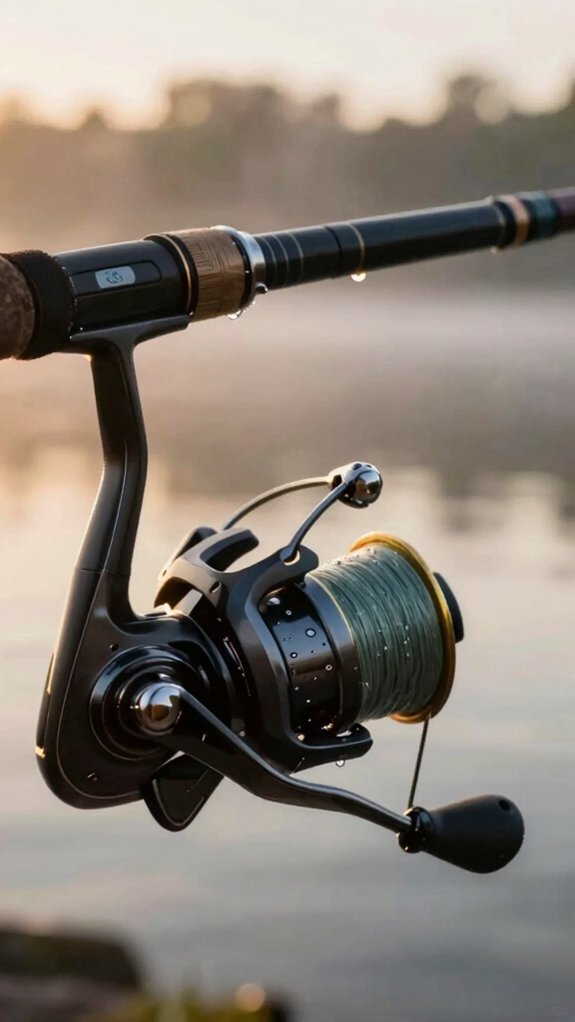
You’ve probably seen it happen, someone cranks down the drag all the way, thinking they’re being tough on a hard-pulling fish, only to snap the line or burn up the reel.
Don’t Lock the Drag or Overstress Your Rod and Reel
Max drag isn’t your go-to setting, it’s the absolute limit. I’ve seen too many anglers lock the drag, thinking it gives more control, but that can fry gears and pinions fast.
Your rod and reel aren’t built to handle those peak loads.
And never max out the drag on light line, like using 15 lb mono on an 11 lb max reel. It’s a recipe for broken knots and busted guides.
Instead, set drag at 25–33% of your line’s strength. Test it with a scale.
Adjust slowly during the fight, no panic cranks. Smooth wins the race.
Frequently Asked Questions
What Does the Max Drag on a Reel Mean?
My reel’s max drag is the most pressure I can safely apply before it slips. I never set my drag higher than this, doing so risks damage. It’s my reel’s limit, not my line’s, and I always stay below it for control.
How to Tell if Drag Is Set Right?
I know my drag’s set right when I can pull line smoothly by hand, feel steady resistance, and the reel lets line out without sticking or slipping, just controlled give that matches about a third of my line’s strength.
What Is a Good Max Drag for Bass Fishing?
I’ve found 80% of pros use 10–12 lb max drag for bass. That’s my sweet spot, it’s strong enough for heavy cover, yet smooth enough to keep fish from snapping off when they run hard.
How Much Max Drag Does an 80W Fishing Reel Have?
My 80W reel usually has about 10–15 pounds of max drag. It’s the most pressure it can handle before slipping, but I never fish that hard, I keep it lower to protect my gear and land fish safely.
In Conclusion
Max drag is the reel’s absolute limit, don’t fish at that peak. Think of it as an emergency brake, not cruise control. Set your drag at 25–33% of your line’s strength, test it with a tug or scale, and adjust as the fight unfolds.
Push too hard, and snap, there goes your trophy. I’ve seen too many blown knots from max drag misuse. Stay smart, stay smooth, and let your gear work with you-not against you.