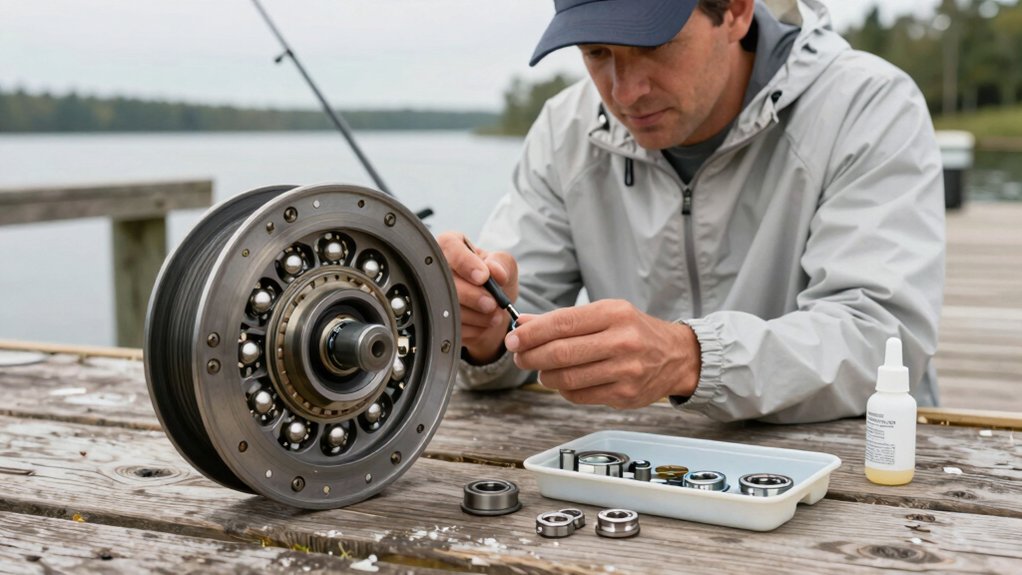

Imagine this: your line zips out smoothly as the reel hums like a well‑tuned engine, chances are, it’s got 5+1 bearings doing the quiet work behind the scenes. That’s the sweet spot for most good spinning reels: five ball bearings for smooth cranking, one roller bearing locking down reverse.
But here’s the catch, more isn’t always better unless they’re high‑quality, well‑placed, and properly sealed. I’ve seen reels with 10+ bearings outperformed by simpler models, all because of poor placement or cheap materials. Want to know what really makes a reel run like clockwork?
How many ball bearings in good fishing reel?
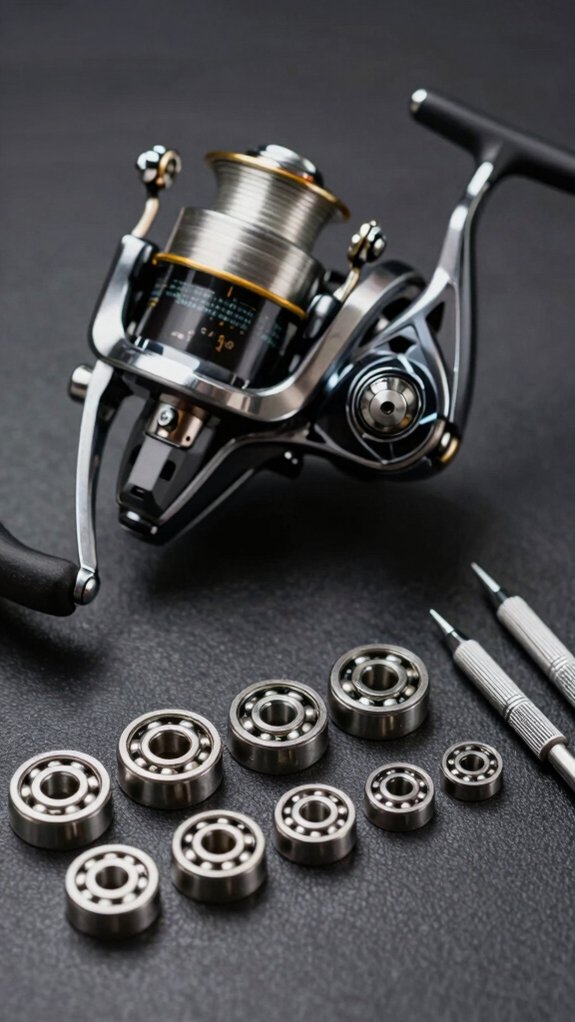
Generally, a good fishing reel has at least 5 ball bearings, often labeled as “5+1,” where the plus one refers to the anti-reverse roller bearing.
Why 5+1 Matters
The number of ball bearings affects smoothness, but quality ball bearings matter more.
You’ll typically find two crank bearings and two main-shaft bearings, these handle cranking and power transfer.
The fifth is usually a bail bearing, stabilizing line pickup.
Extra bearings (6–12+) can help, but only if placed well, like in the rotor or handle knob.
Too many low-quality bearings? Wasted.
Think of it like tires on a car: more isn’t better if they’re bald.
Reputable brands like Shimano and Daiwa often use fewer, high-grade bearings over inflated counts.
Bottom line: Prioritize quality ball bearings and smart placement over sheer number.
A well-balanced reel with 5+1 outperforms a 10-bearing budget model every time.
What affects the right bearing number
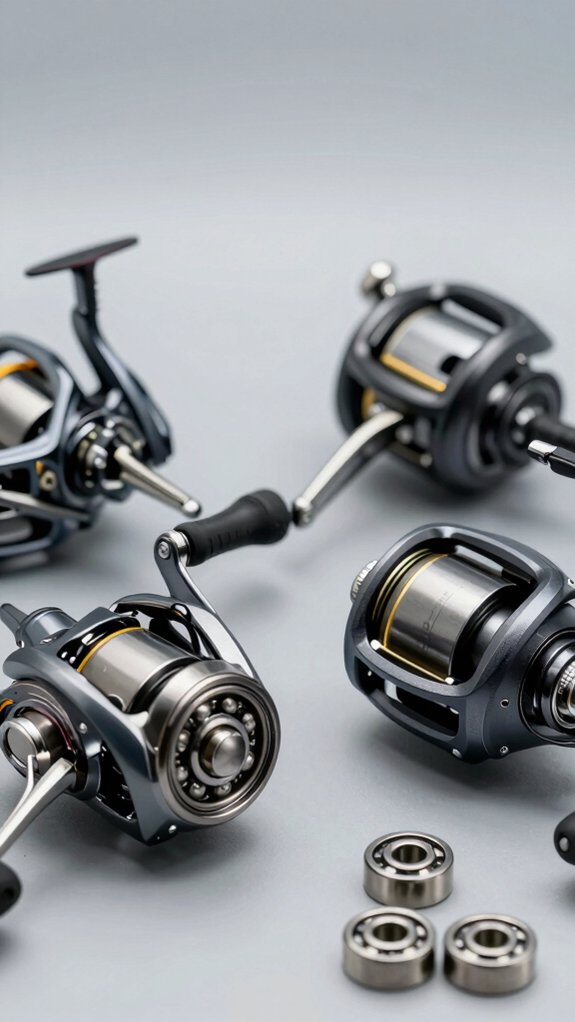
Quality beats quantity every time:
- A few high-grade stainless or hybrid ceramic bearings last longer and resist saltwater corrosion better than many cheap ones.
- Extra bearings in non-essential spots (like handle knobs) add little under load.
- Top-tier builds use precision-treated bearings (like HPCR or A-RB) that spin smoother and wear slower.
Ball bearing placement inside fishing reels
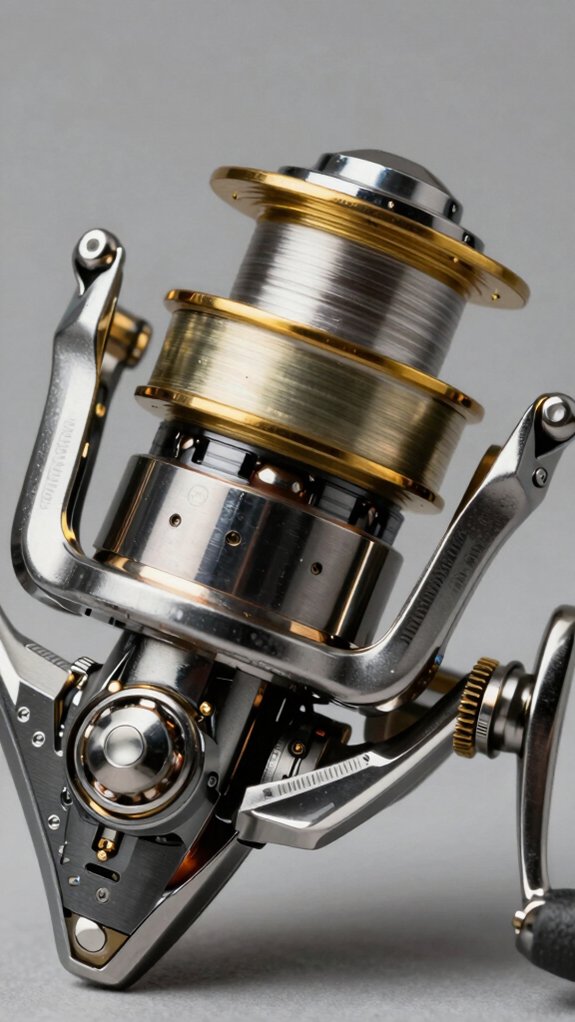
You’ll find ball bearings placed right where smooth power and reliability matter most, like on the main shaft and handle of spinning and baitcasting reels, or in the line roller that guides your line out under pressure.
I always check these key spots first because a reel with fewer, well‑placed bearings runs smoother than one stuffed with cheap extras. Smart placement means less friction, better casts, and fewer tangles, so I know you’ll feel the difference when you’re fighting a fish.
spinning reels
Ball bearings are the unsung heroes inside your spinning reel, and where they’re placed makes all the difference in how smoothly your gear performs. For spinning reels, Bearings at the handle and main shaft are critical, they ensure steady cranking and power transfer. You’ll often see “5 + 1” as a sweet spot: five ball bearings plus one roller bearing for anti-reverse.
| Feature | Why It Matters |
|---|---|
| Handle Bearings | Smooth cranking, less fatigue |
| Main Shaft Bearings | Stable spool, better casts |
| Bail Bearing | Smooth line exit, fewer tangles |
| Quality Over Quantity | Fewer premium bearings beat more cheap ones |
I’ve found that well-placed, corrosion-resistant bearings outlast and outperform high-count, low-quality setups, especially in saltwater. Don’t just count bearings; check their placement and quality. Your casts (and arms) will thank you.
baitcasting reels
When it comes to baitcasting reels, ball bearings don’t just add up, they’ve got to be in the right spots to really make a difference.
I always check where those ball bearings are placed. The ones that matter most? Spool bearings for smooth casting, and drive gear bearings (top and bottom of the pinion) for solid power transfer. You’ll often see reels boasting “9+1” bearings, the “+1” is the roller anti-reverse, which counts, but the real smoothness comes from quality placement.
Don’t be fooled by high counts with bearings tucked into the line guide or handle knobs, those add minimal value. Instead, focus on:
- Drive gear support
- Spool shaft stability
- Anti-reverse and handle cranking smoothness
Upgrading these delivers noticeably better performance, especially in saltwater, where stainless or hybrid ceramic bearings last longer.
line roller
That little spinning wheel where your line feeds off the spool? It’s your line roller bearing, often a sealed line‑roller, and it matters more than you think.
I’ve seen too many anglers ignore it, only to battle line abrasion and frayed braid mid‑fight. A quality sealed bearing here cuts friction, reduces twist, and keeps retrieves smooth and quiet.
Saltwater? It’s brutal, but a sealed unit fights corrosion far better than cheap bushings. Sure, some brands swap in a sleeve for durability, but trust me, real bearings win in performance.
When I test reels, I always check if the spec lists a “+1” or “line roller bearing”, that extra ball bearing makes a real difference under load.
Don’t waste money on extra handle bearings if the line roller’s neglected. A seized roller? Instant red flag. Replace or maintain it, your line’s lifespan depends on it.
Bearing materials, shields, and ABEC ratings
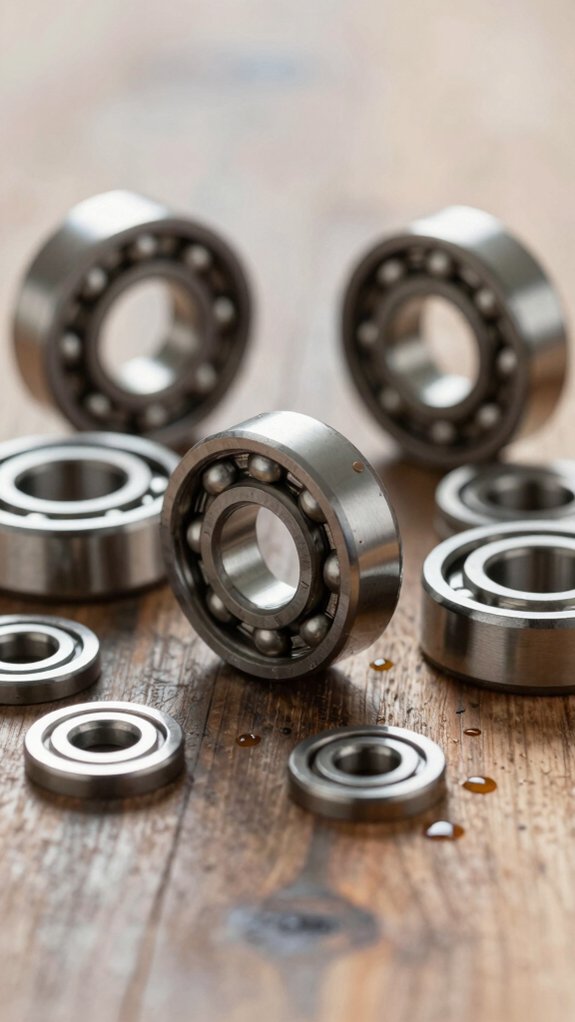
Let’s break down what really matters in your reel’s bearings, because not all ball bearings are built the same, and choosing the right type can mean the difference between smooth, reliable casts and frustrating drag or failure.
| Feature | Stainless Steel | Hybrid Ceramic |
|---|---|---|
| Weight | Standard | 50–60% lighter balls |
| Friction | Moderate | Lower, runs cooler |
| Corrosion Resistance | Good (enhanced with A‑RB, CRBB) | Excellent |
| Best For | Freshwater, budget reels | Saltwater, high‑performance |
Hybrid ceramic bearings shine when you’re battling waves and wind. Shields, rubber or metal, keep salt and gunk out while holding lube in. Sealed ones protect better; open shields allow speed‑focused tuning.
ABEC ratings? They measure precision, not durability or corrosion resistance, so don’t chase high ABEC alone. Match materials and shields to your fishing environment, and you’ll land more fish with less hassle.
How to choose the right bearing count
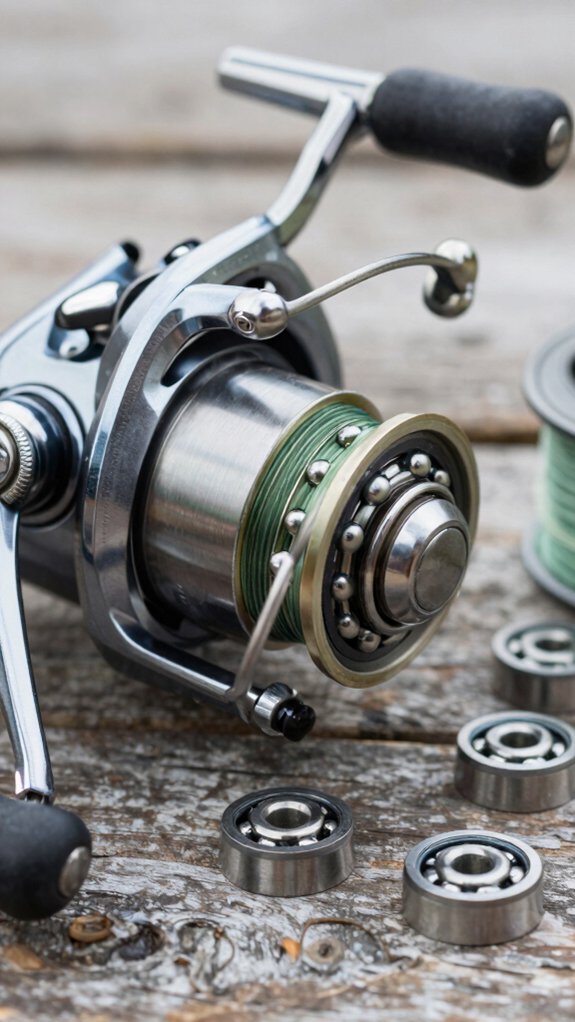
You should pick the right bearing count based on your fishing style, reel quality, water type, and budget, because more isn’t always better.
If you’re tossing lures all day, a smooth 5+1 setup with quality bearings at the handle and spool shaft will serve you better than a cluttered 10-bearing reel full of plastic junk in the knobs.
For saltwater, I always lean toward fewer corrosion‑resistant bearings (like HPCR or hybrid ceramic) over high counts with weak materials, your reel will last longer and perform better with less maintenance.
fishing style
Most of the time, the right bearing count starts with matching your fishing style to how smooth, durable, and efficient you need your reel to be. When it comes to a fishing reel, the number of ball bearings affects performance, but it’s not one-size-fits-all.
- General freshwater or light saltwater? Go for a reel with around 5+1 bearings, smooth enough and reliable.
- Ultralight finesse fishing? 6–8 high-quality bearings boost smoothness for delicate lures.
- Heavy saltwater or big game? Aim for 8–12+ bearings with corrosion-resistant or hybrid ceramic ones.
- Surfcasting or high retrieves? More bearings help handle stress and speed.
reel quality
While more ball bearings can mean smoother performance, I’ve learned through years of testing reels that quality and placement matter far more than the number stamped on the box.
Focus on Quality Ball Bearings, Not Just Quantity
Four high-quality stainless or hybrid-ceramic bearings often outperform eight cheap ones. Look for corrosion resistant seals, like CRBB or A‑RB, especially if you fish in saltwater.
Smart Placement = Smoother Cranking
Prioritize bearings on the main shaft and both sides of the crank. These deliver real stability and buttery reeling.
Skip the Gimmicks
Extra bearings in knobs or levelwinds? Often marketing fluff, unless they’re high‑grade and well‑placed.
Choose wisely: a 5+1 reel with sealed, quality ball bearings beats a 10‑bearing junk reel every time. Your drag, cast, and confidence will feel the difference.
water type
When it comes to choosing the right number of ball bearings for your reel, the type of water you’re fishing in makes all the difference.
Freshwater vs. Saltwater Needs
For freshwater, 5+ bearings (including the anti-reverse) give smooth cranking without breaking the bank, perfect for weekend anglers.
I’ve found budget reels with 3–4 bearings work fine for light use, but upgrading helps if you fish often.
But in saltwater, corrosion‑resistant bearings like CRBB, HPCR, or sealed stainless/ceramic hybrids are essential.
Salt spray eats standard steel fast.
I recommend 6–10+ bearings for smoother performance and longer life in harsh conditions.
And don’t be fooled by low counts, some reels use bushings in bail arms on purpose to resist corrosion.
Prioritize quality at the main shaft, drive, and anti‑reverse.
That’s where the real load lives.
budget range
You’ll want at least 5 ball bearings, often labeled as 5+1, with the “+1” being the anti-reverse roller, to get smooth, dependable performance from a budget-friendly spinning reel.
Focus on Placement, Not Just Count
Manufacturers sometimes swap ball bearings for bushings in less‑critical spots (like the bail) to cut costs.
Prioritize reels with bearings at the crank, main shaft, and bail for better smoothness.
Beyond 8–10 bearings, gains are minimal unless they’re high‑quality and well‑placed.
In saltwater, choose fewer but corrosion‑resistant bearings (like CRBB or A‑RB), they’ll outlive more, lower‑grade ones.
Don’t be fooled by flashy bearing counts.
Check specs: aim for 2 in the handle, 2 on the main shaft, 1 on the bail, plus the anti‑reverse.
Trusted brands with tight tolerances and good seals deliver real‑world reliability.
Mistakes anglers make with bearing counts
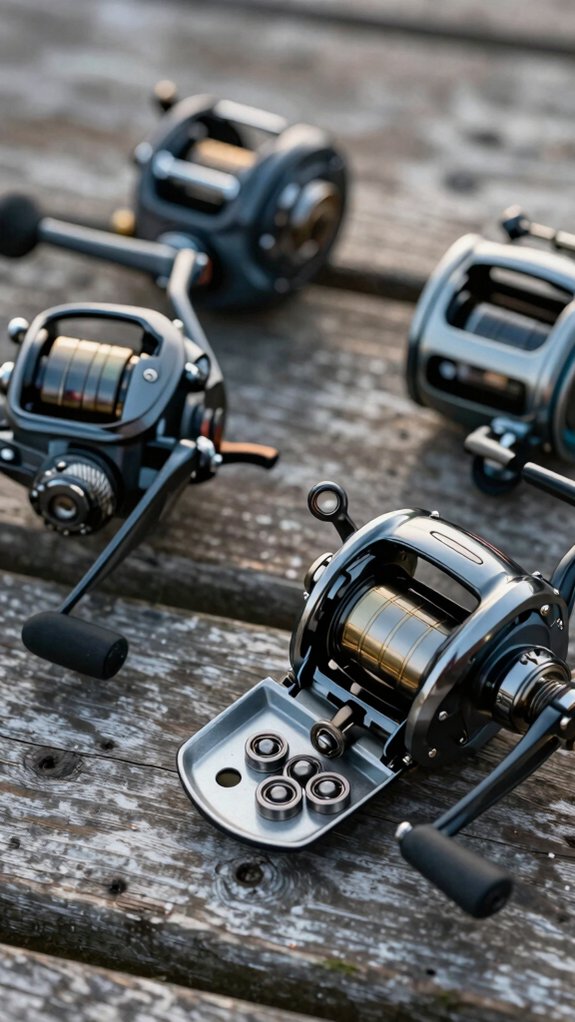
Skip the trap of counting every tiny bearing in the handle knobs, those add little real‑world performance.
Instead, focus on critical spots: main shaft, crank, and bail. Skimping there hurts casting and retrieve smoothness.
And don’t assume “sealed” or “ceramic” means better, some cheap stainless bearings corrode quickly.
For saltwater, I often prefer quality bushings over flashy extras. Trust brand rep and maintenance over specs alone.
Frequently Asked Questions
Does More Bearings Mean a Better Reel?
No, more bearings don’t always mean a better reel. I’ve found that quality and placement matter most, well-made bearings in key spots like the main shaft or rotor give me smoother performance and durability, while extra cheap ones in nonessential areas just add meaningless hype and weight.
How Many Ball Bearings Should a Reel Have?
I’d say a reel should have at least 5 ball bearings, including the anti-reverse one, because that gives me smooth cranking and solid power transfer without overspending on extras that don’t really help.
How Many Bearings Are in a Baitcaster?
I find most baitcasters have 6 to 10 ball bearings, plus one anti-reverse roller. While I prefer models with 8+1 or more, I care more about bearing quality, sealed stainless or ceramic, than the count, especially when I’m fishing in saltwater where durability really matters.
What to Look for in a Good Spinning Reel?
I look for smoothness and durability, like a river’s steady flow, so I prioritize 5+1 high-quality, corrosion-resistant bearings in key spots, solid bushings, and a sealed bail to keep grit out and performance high.
In Conclusion
A good fishing reel usually has 5+1 bearings, five for smooth cranking, one for solid anti-reverse.
But more isn’t always better; it’s like adding extra sails to a boat that can’t handle the wind.
What really matters? Smart placement, quality materials, and tight seals.
I’ve seen reels with 10+ bearings fail fast due to poor maintenance, while simpler ones outlast storms.
Focus on clean design, corrosion resistance, and smooth feel, your thumb will thank you when reeling in that next trophy.