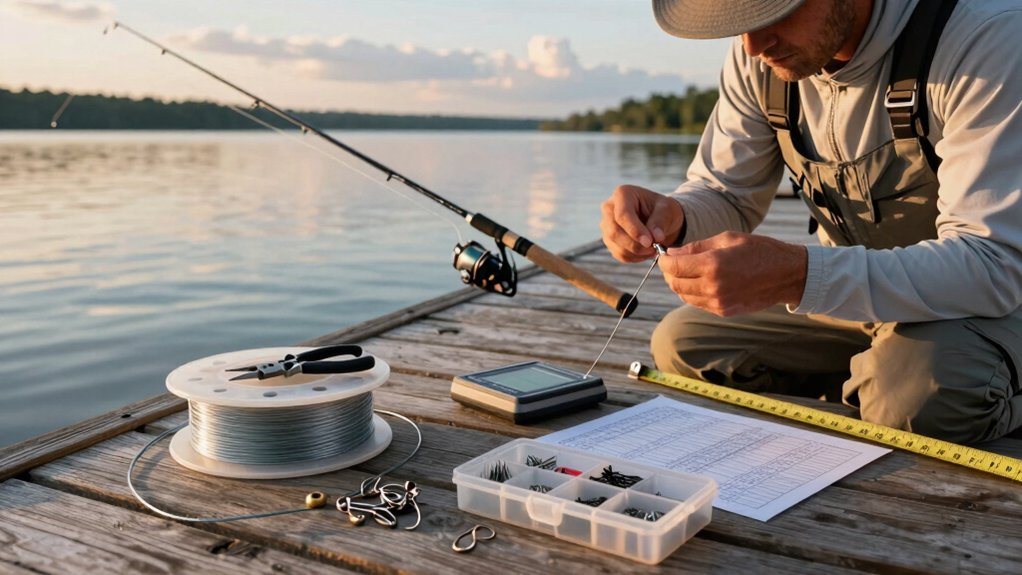

You might not realize it, but the fishing line stopping a 20‑pound muskie is built like bulletproof fiber, thanks to ultra‑dense polyethylene molecules stretched into near‑perfect alignment. That molecular precision, paired with advanced coatings and layered constructions, is why today’s lines handle brutal drag settings without snapping. I’ll break down how materials like fluorocarbon and braided Spectra deliver real‑world strength, so you can pick the right line that won’t fail when the big one bites.
Why is fishing line so strong?
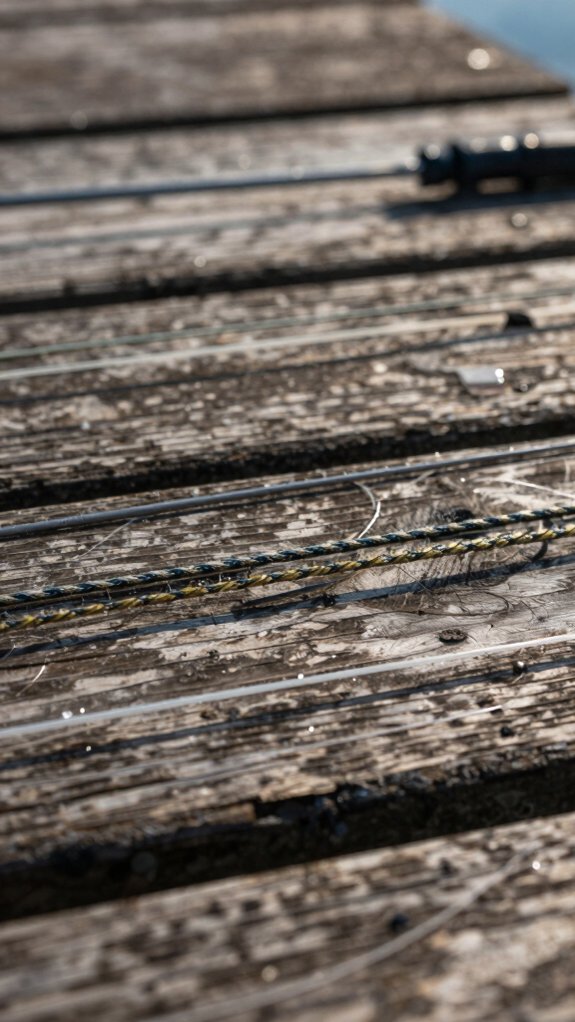
While you mightn’t think much about the thin line slicing through the air when you cast, it’s actually some seriously tough stuff, modern fishing line is strong because it’s made from advanced synthetic materials like nylon, fluorocarbon, and ultra-high-molecular-weight polyethylene (UHMWPE), engineered to handle serious pressure without bulking up in diameter.
These materials deliver incredible tensile strength thanks to molecular alignment during manufacturing, stretching and cooling fibers boosts crystallinity and durability.
- Fluorocarbon sinks fast and resists abrasion, great for rocky bottoms
- Braided fishing lines, woven from UHMWPE fibers like Spectra, offer the highest strength-to-diameter ratio, often 3–4x stronger than nylon of the same thickness
- Coatings and core treatments help lines retain strength under UV, water, and friction
It’s not just about breaking point, it’s toughness, knot strength, and real‑world performance that make today’s lines so reliable.
Materials and design behind line strength
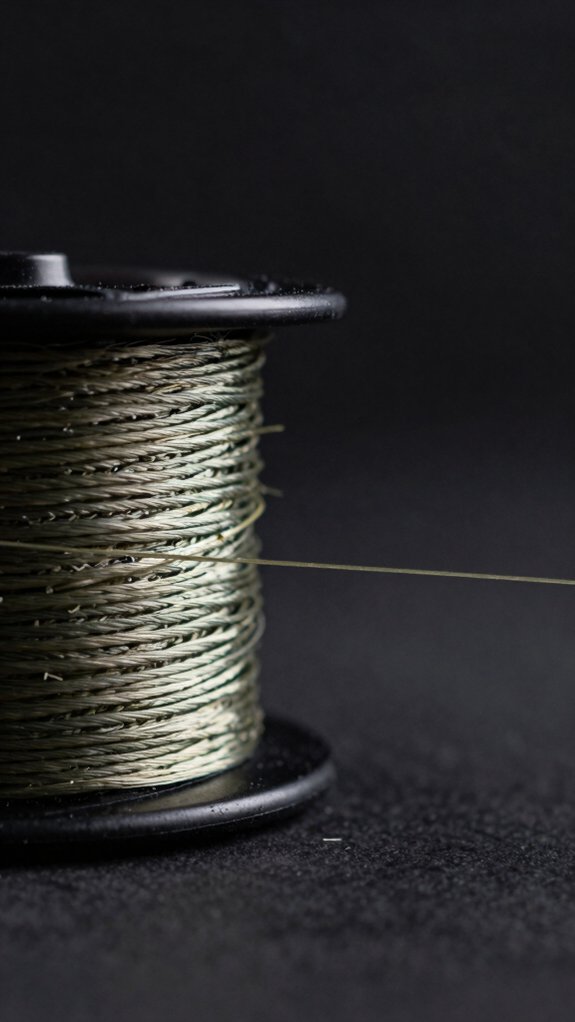
Because the strength of your fishing line depends on both what it’s made of and how it’s built, I always look closely at materials and construction before tying on, modern lines aren’t just strong by accident.
Smart Materials, Serious Strength
Monofilament, made from nylon, stretches up to 30%, great for shock absorption. Fluorocarbon, denser and less visible underwater, offers low stretch and excellent abrasion resistance. Then there’s braided lines, woven from UHMWPE fibers like Spectra, these are incredibly strong for their thin diameter.
Design That Delivers
During manufacturing, lines are extruded, stretched, and cooled to align polymer chains, boosting tensile strength. Braided lines pack more strength into less space, while coatings (like Teflon) enhance UV and wear resistance.
Your rod and reel setup matters, especially with low‑stretch braided lines or fluorocarbon, where sensitivity is high but shock absorption relies on your gear.
Manufacturing, coatings, and modern line technology
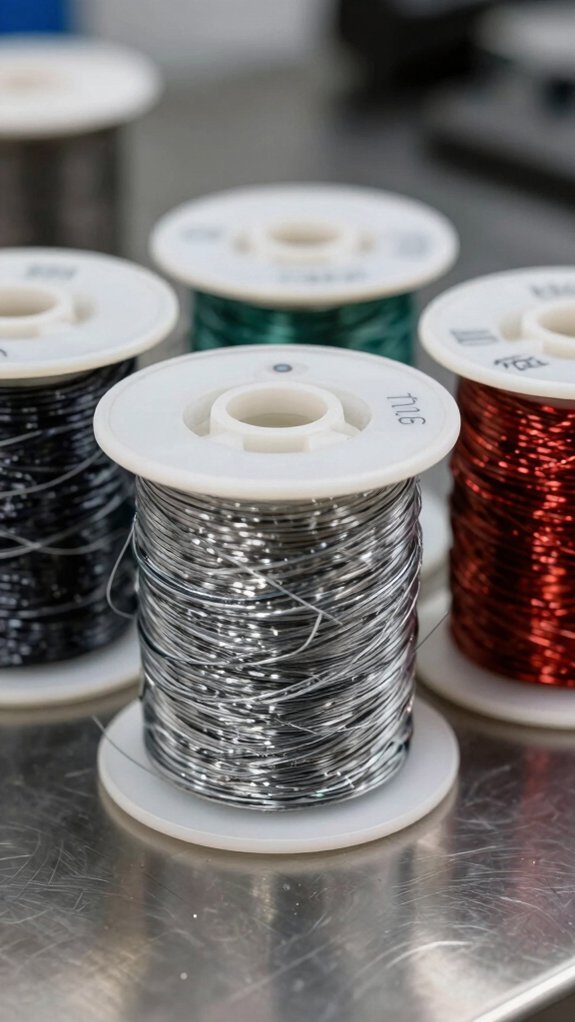
Fishing line is so strong today because of high-precision manufacturing and smart tech baked into every spool. I’ve tested dozens of lines, and the leap in performance comes down to how they’re made and treated.
Here’s what sets modern lines apart:
- Monofilament fishing line and fluorocarbon lines are extruded under tension, aligning polymer molecules for greater strength and shock absorption.
- Braided “superlines” use tightly woven UHMWPE fibers, like Dyneema, then thermally fused for a slick, strong, ultra-thin profile.
- Advanced coatings (think Teflon or proprietary fluoropolymers) reduce friction by up to 40% (Berkley, 2022) and boost abrasion resistance.
These innovations mean lines cast farther, survive rough structure, and transmit bites better, giving you an edge on every drop.
Types of fishing line and strength traits
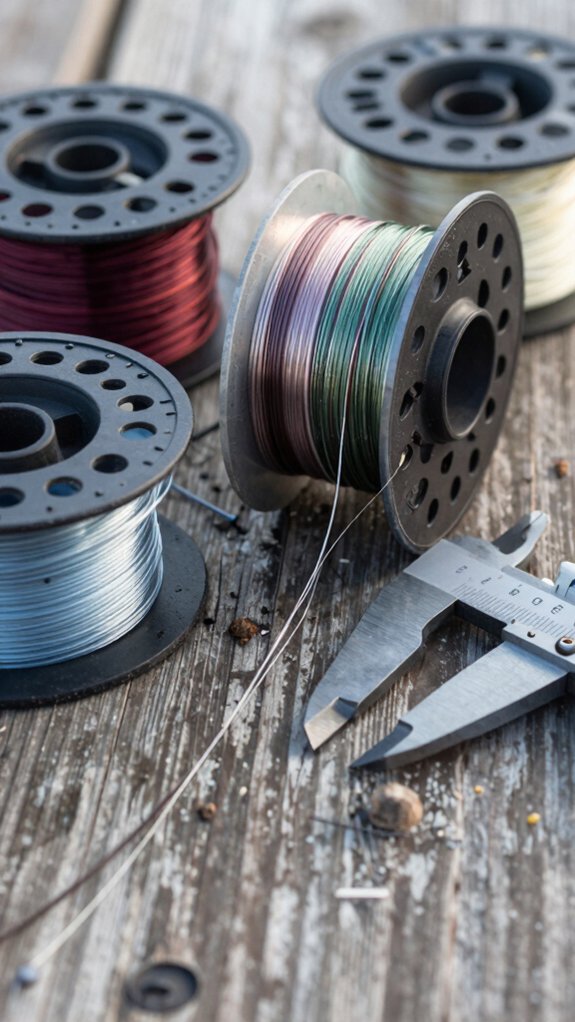
You’re probably wondering which fishing line gives you the best strength for your setup, let me break it down simply.
Monofilament stretches about 25–30%, so it’s forgiving when you set the hook, but you need a thicker diameter for the same strength as a thinner, tougher line.
Fluorocarbon is denser and stiffer with less stretch, while braided line packs the highest strength into the smallest diameter, giving you serious power without sacrificing sensitivity.
monofilament line
Dive into any tackle box, and you’ll likely find monofilament, the trusty workhorse of fishing lines that’s been a go‑to for anglers for decades.
This nylon monofilament offers solid breaking strength, stretch for shock absorption, and forgiving hooksets, making it ideal for beginners and pros alike.
Here’s why mono remains a favorite:
- Affordable & easy to handle, great for spooling reels and tying reliable knots.
- 20–30% elongation cushions surges, reducing snapped lines when fish run hard.
- Versatile performance, sinks slowly, stays visible, and works in everything from spinning gear to topwater lures.
Wet it before use, nylon absorbs water, becoming more supple underwater.
Just remember: it loses a bit of abrasion resistance when soaked.
With decent UV resistance and a balance of strength and flexibility, mono delivers consistent results.
Choose the right diameter and test rating, and you’re set for success.
fluorocarbon line
While monofilament stretches to cushion hard runs, fluorocarbon takes a stiffer, more stealthy approach, making it a top pick when fish are line-shy or the bite’s near the bottom.
Fluorocarbon fishing line, made from PVDF, offers superior abrasion resistance and sinks faster than nylon. Its refractive index mimics water, so fish see it less, perfect for clear lakes or spooky bass. Plus, you get a thinner line for the same strength, meaning less drag and better lure action.
| Trait | Why It Matters |
|---|---|
| Low stretch | Better sensitivity and hooksets |
| High density | Sinks fast, keeps bait in strike zone |
| Thin diameter | Less visible, stronger connection |
| UV stable | Lasts longer in sunlight |
| Abrasion resistant | Handles rocks, wood, and gill plates |
I trust fluorocarbon for leaders, it’s tough, invisible, and keeps me in the game.
braided line
Braided line’s ultra-slim profile and brute-strength performance make it a game-changer when you need maximum sensitivity and long casts.
With its high tensile strength, braid delivers incredible power in a thin diameter, 10 lb test is just 0.12–0.18 mm, nearly half the thickness of nylon.
That means more line on your reel and easier casting into the wind.
Here’s why I rely on braid:
- Near-zero stretch (0–5%) boosts sensitivity and hookset power.
- Woven construction (4-, 8-, or 12-carrier) ensures consistent strength.
- Always pair with a shock‑absorbing leader, fluorocarbon or mono, to prevent break‑offs.
Braided line resists UV and water better than nylon, but it can fray, so I inspect it often and use strong knots like the Palomar.
Trust me, once you go braid, you’ll feel every nibble.
How to choose a strong fishing line
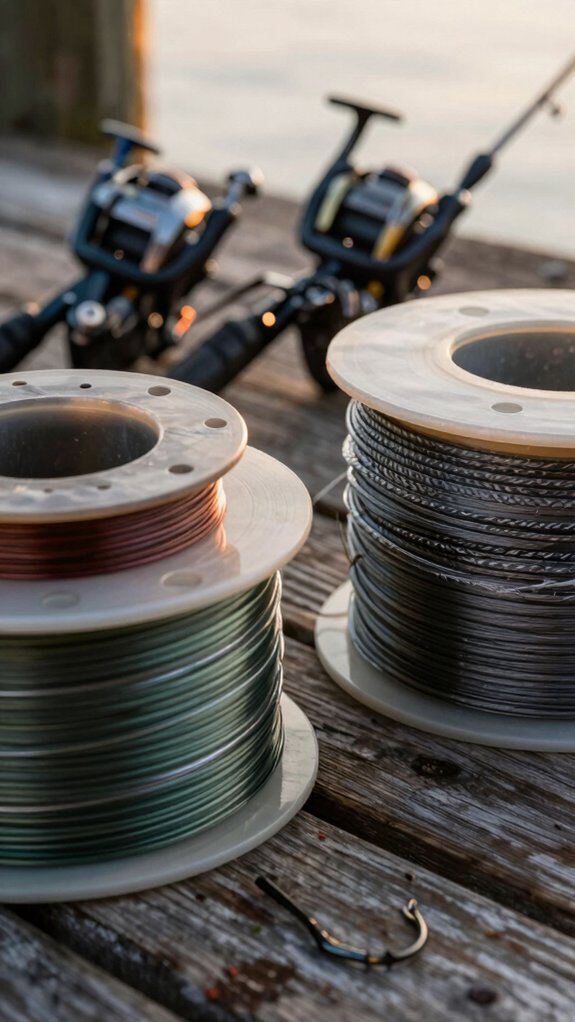
When picking a strong fishing line, I match it to what I’m after, bigger fish need higher breaking strength, so I check the label and go a bit above what I think I’ll need.
Clear water? I lean on fluorocarbon for invisibility, while rocky bottoms or heavy cover mean I prioritize abrasion resistance with thicker mono or coated lines.
And I never forget that even the strongest line fails with a weak knot, so I stick to trusted ones like the Palomar and always wet it before tightening.
target species
Choosing the right fishing line starts with knowing your quarry, your target species holds the blueprint for the perfect setup.
Match Strength to Species
- For bass or trout, I use 6–12 lb nylon monofilament lines, enough tensile strength without spooking cautious fish.
- Pike, catfish? Step up to 20–40 lb braid; its thin diameter cuts water and handles heavy runs.
- Saltwater brutes like tuna or shark demand 50+ lb braid with steel or titanium wire leaders, those teeth shred standard line fast.
I always size up by 10–30% for cover or explosive strikers.
Fluorocarbon (10–30 lb) hides well on rocky bottoms, while braid’s sensitivity alerts me to subtle bites.
Trust me, pairing line strength to your target isn’t just smart, it’s the difference between a story and a lost fish.
water clarity
Most of the time, I’m sizing up the water before I even spool my reel, because in clear conditions, the right strong line isn’t just about pound‑test, it’s about staying invisible.
In clear water, I go straight for fluorocarbon, its refractive index matches water, so fish rarely spot it. Plus, it sinks and resists abrasion like a champ.
But when I need serious strength, I pair a thin braid mainline with a 3–4 ft fluorocarbon leader. The braid’s small diameter cuts through water, letting lures dive deeper, while the fluoro hides the business end.
If I’m after toothy critters or fishing rocky zones, I’ll bump up to a thicker mono or even wire, visibility matters less than survival.
And for light bites? I keep stretch minimal with fluoro or braid + leader, but use rod tip control to cushion sudden surges. It’s stealth and strength, balanced.
abrasion risk
While fishing around rough cover, I never just rely on knot strength or pound-test, because if your line isn’t tough enough to handle scrapes against rocks, reefs, or submerged wood, even the strongest setup can fail at the worst moment. Good abrasion resistance is non‑negotiable.
Here’s how I stay strong where it counts:
- Go with a thicker line when pounding structure, extra diameter means more material to resist cuts and wear.
- Choose abrasion‑resistant materials like braided UHMWPE (Spectra/Dyneema) or coated fluorocarbon; resin treatments and Teflon coatings boost durability and fight UV damage.
- Always use wire or multi‑strand leaders for toothy critters, no synthetic line beats steel or titanium against sharp gill plates or fangs.
I check my line after every snag, nicks or glazing mean it’s time to cut and retie. A small weak spot can slash strength by up to 70%, according to BASS surveys.
line diameter
Why does line diameter matter so much when you’re trying to land a hard-pulling pike or drag a bass out of a rocky lair? Because diameter directly impacts line strength, abrasion resistance, and performance.
Thicker lines offer more durability, ideal when fishing around sharp rocks or toothy predators. But they reduce spool capacity and can weaken knots. Thinner lines, like UHMWPE braid, deliver incredible strength for their diameter, casting farther and slicing through water with less drag.
Here’s the key: match diameter to your target.
- Big fish or heavy cover? Go thicker for shock absorption and abrasion resistance.
- Finesse fishing? Slim, high‑strength lines like braid or fluorocarbon give sensitivity and depth penetration.
I always balance diameter with material, modern braids prove you don’t need bulk for strength. In fact, a 20‑lb braid can be thinner than 10‑lb mono, yet far stronger (Berkley Labs, 2022). Choose smart, your reel and catch will thank you.
knot choice
Tie it right, and your knot becomes the unbreakable link between you and the fish of a lifetime, get it wrong, and that same connection could snap under pressure.
Knot strength isn’t just about technique; it’s about matching the knot to your line type and situation.
I’ve learned this after years of lost fish and busted gear.
Here’s what works best:
- For braid or fluorocarbon, use high‑strength knots like the Palomar or Uni, these retain up to 95% of line strength.
- When joining braid to fluorocarbon, the double uni or Alberto knot with a short leader handles stress and stays invisible.
- Always wet the knot before tightening to prevent heat damage, and trim tag ends to 2–4 mm.
Trust me, your setup’s only as strong as your knot.
What mistakes weaken fishing line fast?
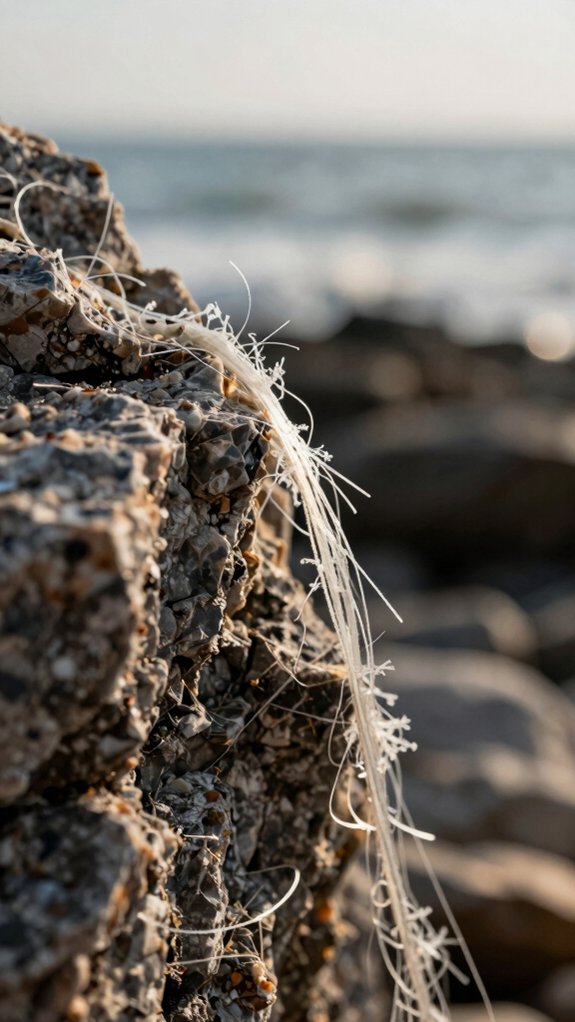
If you’re losing fish or snapping lines more often than you’d like, chances are it’s not just bad luck, common mistakes on the water quietly sabotage your line’s strength faster than you might think. Exposure to UV rays degrades nylon, while abrasion from rocks or docks creates weak spots. Poor knots can cut strength by up to 50%, and reusing old line leads to memory and micro-damage.
| Mistake | Impact on Line Strength |
|---|---|
| UV exposure | Reduces tensile strength over time |
| Abrasion | Creates frays and weak points |
| Bad knots | Cuts strength by 20–50% |
| Over-tightened drag | Causes shock breaks |
| Reused line | Builds kinks and memory |
Replace line yearly in sunny areas, inspect for wear, tie proper knots like Palomar, and set drag wisely. Small fixes mean stronger fights and fewer heartbreaks.
Do tests and ratings reflect real strength?
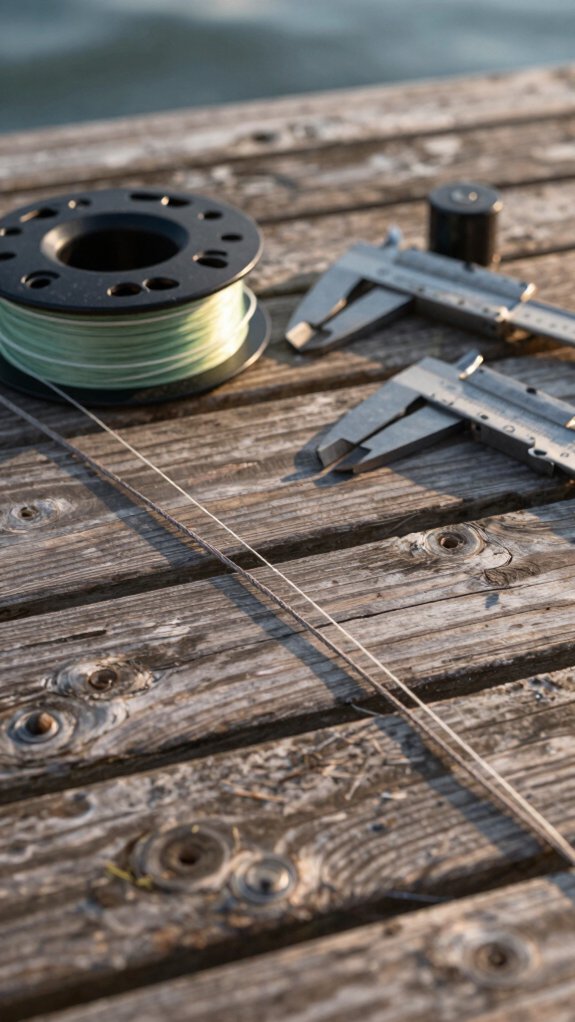
While manufacturers often advertise impressive breaking strength numbers, I’ve found those lab‑tested ratings rarely tell the full story once you’re actually fighting a hard‑pulling bass or a saltwater brute. Real strength depends on more than just the label, it’s about how the line performs with knots, under dynamic events, and in real conditions. Here’s what actually matters:
- Knots can slash strength by 20–50%, a poorly tied clinch knot weakens your line more than you think.
- Dynamic events like sudden surges test toughness; nylon mono often wins over fluorocarbon thanks to its stretch.
- Two lines rated “10 lb test” may differ wildly due to coatings or diameter, always test your setup.
IGFA rates knotless strength, but I always test mine with a soaked knot. That’s the true measure.
Frequently Asked Questions
Why Is Fishing Line Strong?
I’m strong because I’m made from tough synthetic fibers like nylon, fluorocarbon, or braided polyethylene, engineered to stretch, resist abrasion, and handle heavy loads so you can land big fish without me snapping.
Is Fishing Line Stronger Than Steel?
Yes, some fishing lines are stronger than steel by weight, braided UHMWPE slices water, resists breaks, and hauls giants, while steel snaps, rusts, and drags; modern lines stretch further, fight harder, and win more battles pound for pound.
What Is the 80/20 Rule in Fishing?
The 80/20 rule in fishing means I rely on my drag for 80% of the fight but use rod control and technique for the remaining 20%, it keeps me in control while protecting the line and landing fish safely.
How Does a Fishing Line Not Snap?
I’m so breakable, yet I don’t snap, thanks to slick materials, smart weaves, and stretchy give. You yank, I bend.
Irony? My weakness, stretch is actually what keeps me strong when you think I’ll fail.
In Conclusion
Fishing line’s strength comes from smart materials and engineering. Think of it like high-tech thread, molecular chains pulled tight during manufacturing to handle serious pull. Whether you’re using nylon, fluorocarbon, or braid, each type brings something unique.
The real key? Matching the line to your setup and conditions. Remember, even the strongest line can snap fast if you overlook nicks or tie a sloppy knot, don’t let your hard work go down the drain.