
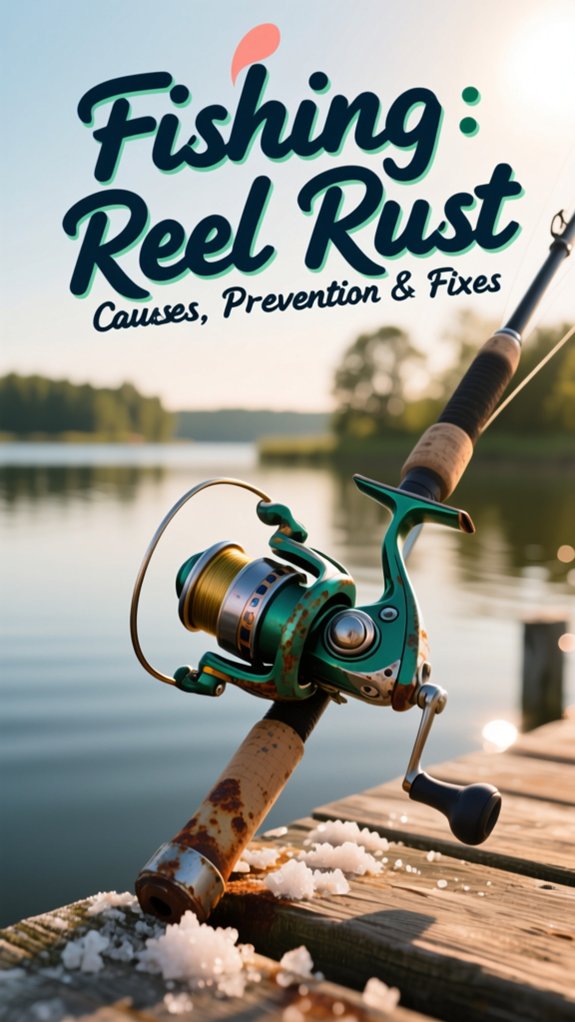
Yeah, your fishing reel can definitely rust, especially if you’re hitting saltwater spots without cleaning it after. Moisture sneaks into gears, bearings, and drag systems, and before you know it, corrosion starts eating away at metal parts. I’ve seen reels with seized handles and gritty cranks from just a few overlooked trips.
The real kicker? Salt spray and trapped grime speed up the damage fast. Let me show you how to keep your gear running smooth.
Can fishing reels rust and why?
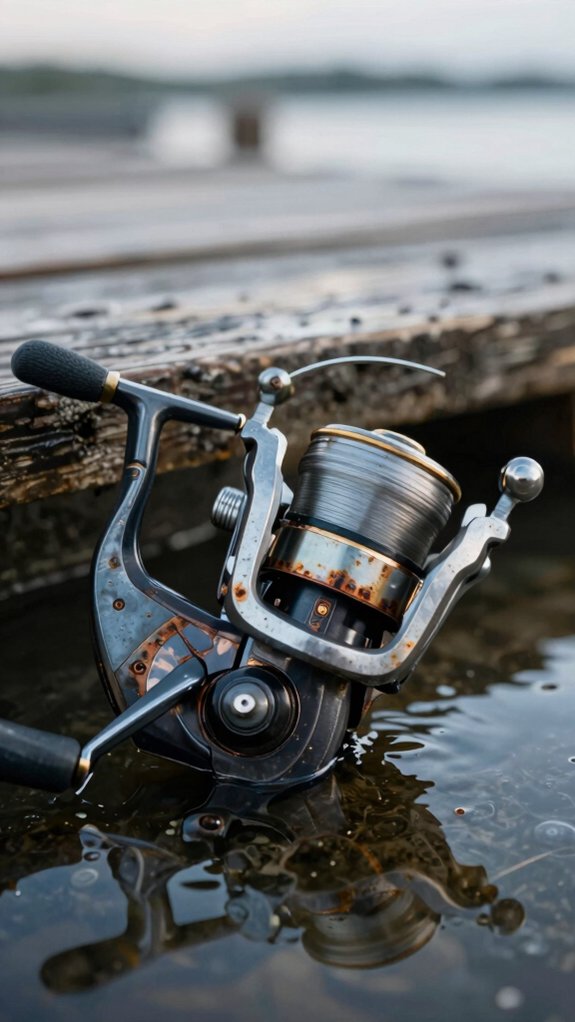
Your fishing reel isn’t immune, no matter the price tag. Salt spray, damp storage, or leftover grime create the perfect storm for corrosion. I’ve seen reels seize after just a few salty outings with zero care.
Tiny parts, like bearings, gears, and drag washers, are most at risk. Rust there increases friction, ruins smooth operation, and can lock things up completely.
Prevention? Rinse your reel with fresh water after every saltwater trip. Dry it, then re-lubricate contact points. Skip this, and you’re risking costly repairs, or replacement.
Trust me: 10 minutes of care saves hundreds in gear.
What causes corrosion on reel parts?
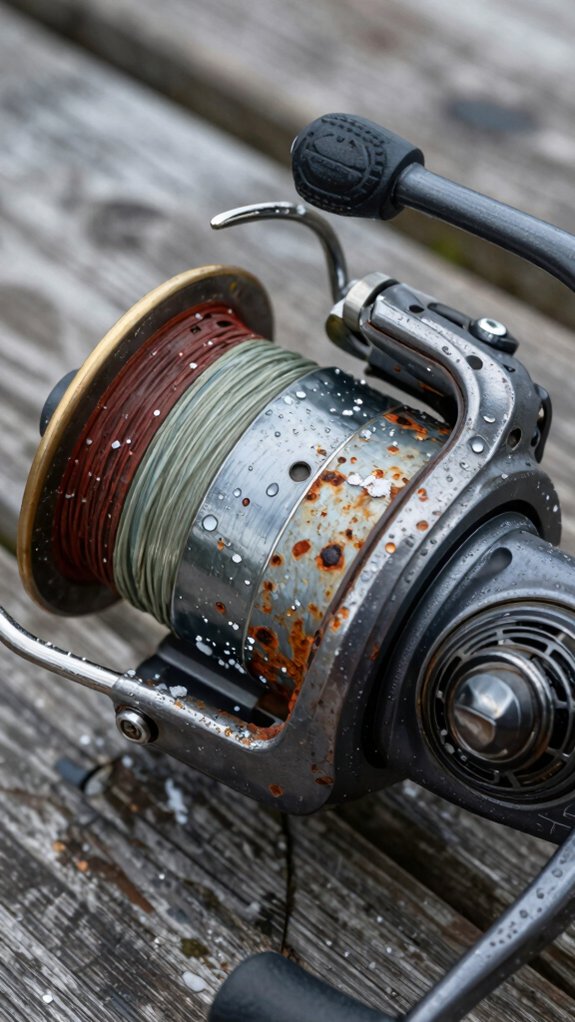
Yeah, your reel can definitely corrode, and saltwater’s usually the main culprit.
It’s not just about getting the reel wet; salt crystals trap moisture in tight spots like guide foot tunnels and bearings, speeding up rust where you can’t always see it.
Throw in dissimilar metals, trapped water, and the occasional galvanic reaction, and you’ve got a perfect storm for corrosion that can wreck smooth operation fast.
saltwater exposure
While fishing in the ocean delivers heart-pounding action, it also exposes your reel to one of its toughest enemies: saltwater corrosion.
A saltwater reel faces constant threats because saltwater doesn’t just sit on the surface, it creeps into every tiny gap. Chloride ions slice through protective oxide layers on metal, sparking rust in as little as 24 hours.
Trapped spray in gear meshes or screw threads holds moisture and speeds up electrochemical damage. Sand and muck? They’re not just grit, they trap salt and scrape away protective coatings.
And when dissimilar metals like aluminum housings and steel shafts meet in wet conditions, galvanic corrosion kicks in fast.
I’ve seen reels degrade in weeks without proper care. The truth is, even “stainless” steel isn’t immune. Protect your gear like you protect your catch, because once corrosion starts, it’s already winning.
galvanic reaction
When two different metals meet in your reel, like an aluminum frame with stainless steel screws, saltwater doesn’t just wet them, it turns them into a battery that eats metal from the inside out. That’s galvanic corrosion in action. The electrical difference between metals, measured in millivolts, drives this reaction, and seawater’s chloride ions supercharge it by boosting conductivity.
Even “rust‑proof” stainless steel or aluminum can fail because saltwater breaks down their protective oxide layers, exposing raw metal. Tiny crevices trap moisture and salt, creating hotspots where gears and bearings pit fast.
But you can fight back:
- Use non‑conductive washers or coatings to separate metals
- Apply anti‑seize or VCI grease on screws and shafts
- Rinse with fresh water immediately after fishing
- Keep reels clean and dry
Prevention beats repair, every time.
trapped moisture
Trapping moisture is the silent killer of fishing reels, especially after saltwater use. I’ve seen too many anglers rinse their reels and call it a day, not realizing water hides in tiny spaces. Those crevices, between gear teeth, under spool caps, inside bearing races, hold onto saltwater long after the surface looks dry. That trapped mix becomes a corrosive electrolyte, and chloride ions rip through protective oxide layers fast. In fact, studies show crevice corrosion can accelerate rust up to 10x faster than on exposed metal.
Threaded joints, drag stacks, and handle connections? Prime spots. And if sand, old grease, or gunk’s hanging around, it’s like wrapping your reel in a wet towel.
Even in humid storage (>60% RH), residual moisture migrates inward. Poor seals or thin coatings make it worse, moisture hits bare metal, and suddenly your smooth retrieve seizes up.
dissimilar metals
If you’ve ever wondered why your reel’s aluminum handle knob crumbles while the stainless steel bail stays shiny, dissimilar metals are likely the culprit. That damage? It’s called galvanic corrosion, a sneaky reaction when two different metals, like aluminum and stainless steel, connect in salty, wet conditions.
Saltwater acts as an electrolyte, turning your reel into a tiny battery. Chlorides strip protective oxide layers, making things worse. When a small stainless screw bites into a big aluminum frame, the aluminum (being more anodic) corrodes fast, especially at tight contact points.
To fight this:
- Use marine‑grade alloys or anodized aluminum
- Apply protective coatings or VCI sprays
- Insulate joints with plastic washers
- Rinse and dry reels after every trip
A little prevention keeps your gear running smooth, and saves money long‑term.
Prevent reel rust after saltwater trips
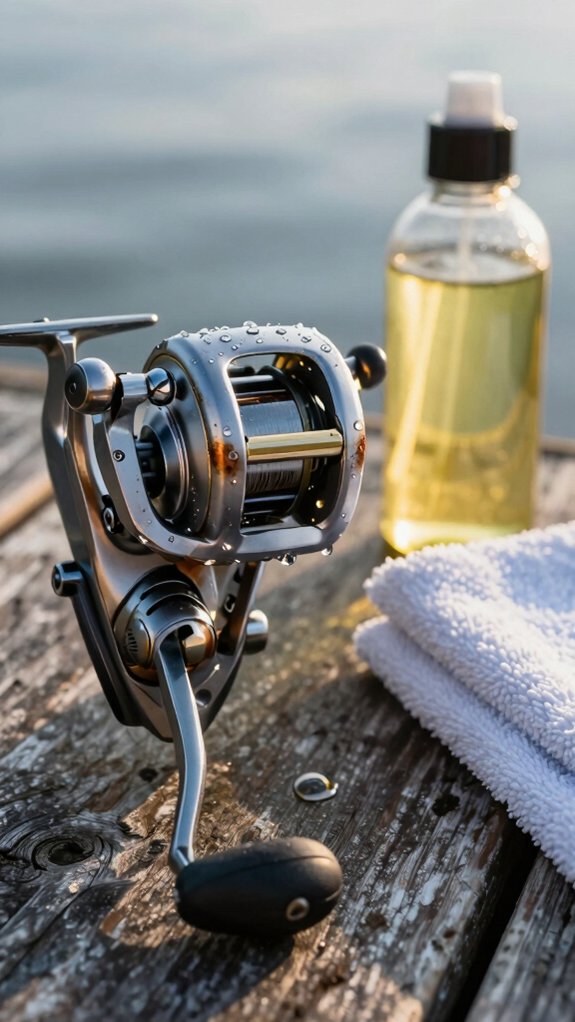
Though saltwater fishing delivers heart-pounding action, it also leaves your reels vulnerable to rust the moment you pack up, chloride ions start attacking metal parts within hours, and studies show corrosion can begin in as little as 24 hours after exposure.
Here’s how I keep my reels rust‑free:
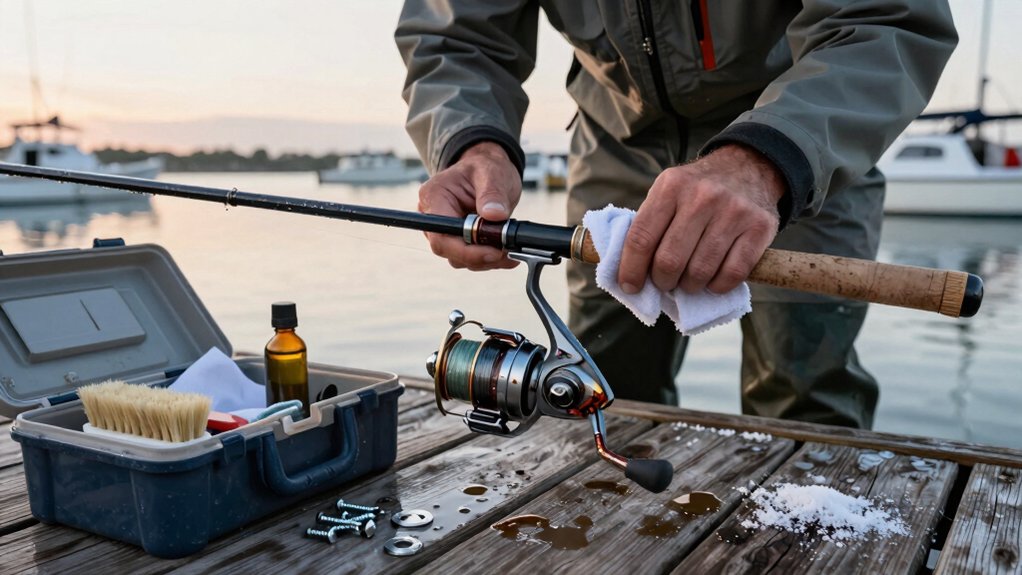
- Rinse immediately, I always dunk my reel in fresh water post‑trip, spinning the handle to flush out salt from gears and bearings.
- Dry & lubricate right, After disassembling or backing off the drag, I wipe down threads and contacts, blot dry with a microfiber cloth, then hit crevices with canned air.
- Protect & store smart, A light coat of reel oil on bearings, marine grease on gears, and corrosion inhibitor spray on metal keeps rust at bay, especially when stored with VCI capsules in a dry box.
I check monthly during peak season, because a little care now saves costly fixes later.
How to clean and de-rust a reel
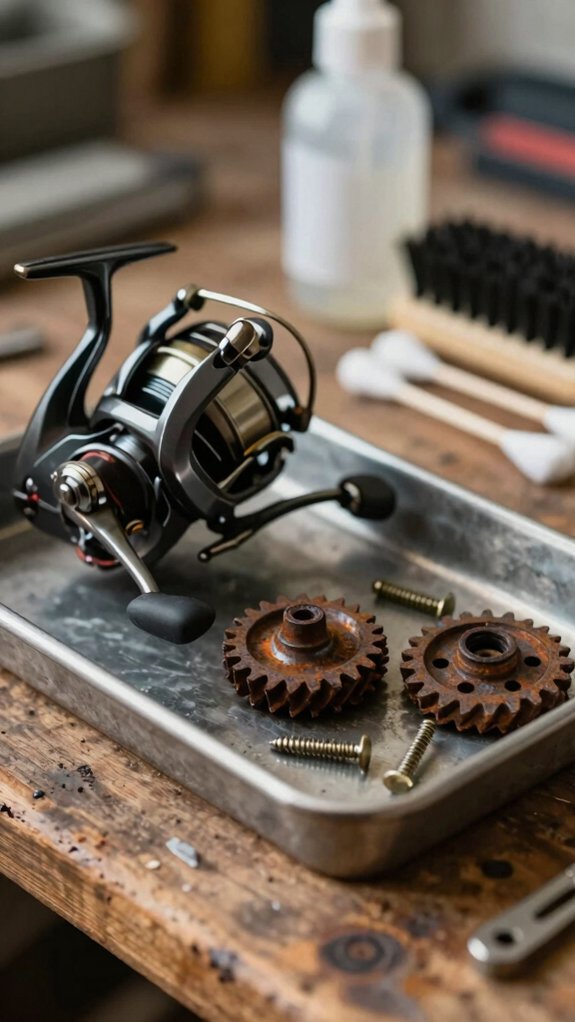
Yeah, your fishing reel can definitely rust after saltwater use, if you don’t clean it right.
I always start by giving mine a quick freshwater rinse, then dry it with a microfiber cloth and blow out moisture with compressed air before taking it apart.
Once it’s dry and disassembled, I check for any light rust and get to work removing it safely so it runs smooth again.
prep steps
Let’s dive right into prepping your reel for a deep clean, because skipping these steps can turn a salvageable piece of gear into a corroded paperweight. Proper prep is key to effective rust prevention and long-term reel health.
Here’s how I start every cleaning session:
- Rinse immediately after saltwater use, fresh water from a hose or spray bottle flushes out corrosive salt.
- Blot dry with a microfiber cloth to stop moisture from creeping into bearings and gears.
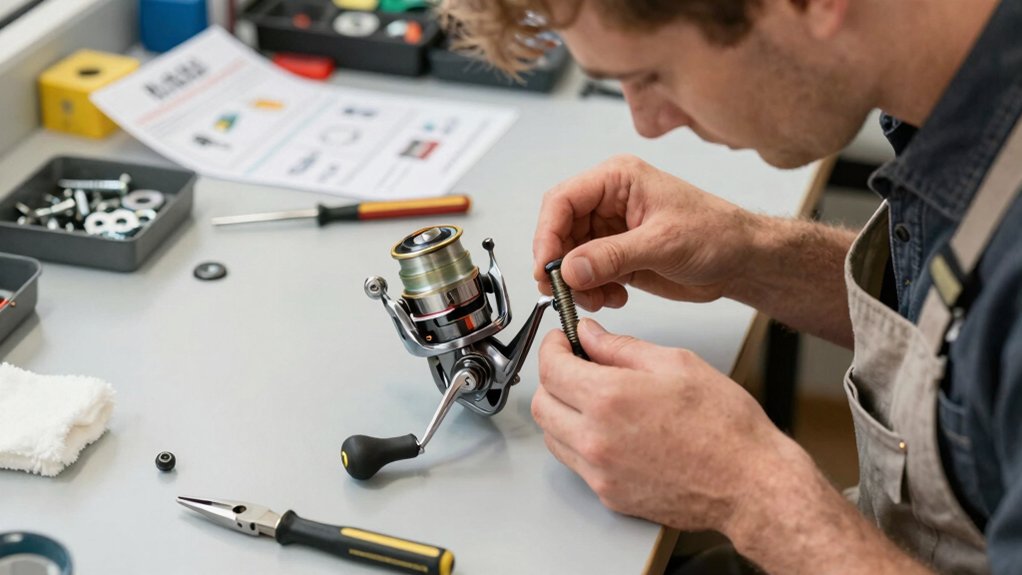
- Disassemble only as directed in your reel’s manual, over-disassembly risks damage.
I use a soft toothbrush and pH-neutral cleaner (around 7.0) to scrub grime from tight spots.
Then, canned air blasts out hidden moisture.
This routine keeps my reels running smooth season after season, trust me, your future self will thank you.
freshwater rinse
Always rinse your reel with fresh water after every saltwater trip, this simple step stops corrosion before it starts.
Freshwater Rinse: Your First Line of Defense
I never skip this: a gentle spray of fresh water over the entire reel. Avoid high pressure, it can force salt into bearings and tiny gaps.
Focus on the spool, handle, and gear housing, where salt and sand hide. Think of it like washing salt off your gear after a beach day, better safe than sorry.
A quick 30‑second rinse removes 90% of corrosive residue, according to marine equipment studies. Use a garden hose with a soft nozzle or a bucket of fresh water.
Afterward, shake off excess and move to drying, don’t let it air‑dry. That lingering moisture? That’s rust’s best friend. Fresh water is cheap insurance for a reel that runs smooth season after season.
dry and disassemble
Now that you’ve rinsed off the salt, it’s time to dry and take things a step further, because hidden moisture is where rust really gets its start.
With fishing reels, corrosion hides in seams, under spools, and around drag systems, so proper drying and disassembly are crucial.
Here’s how I handle it every time:
- Blot dry with a microfiber cloth, then use canned air to blast water from tight spots.
- Partially disassemble following the manufacturer’s diagram, keep screws organized in a labeled tray or snap a photo.
- Air-dry for 24 hours in a shaded, ventilated area (I toss in a desiccant pack to pull lingering moisture).
This routine stops rust before it forms.
Skipping it?
That’s how 68% of reel failures start, per a 2022 Saltwater Angler Survey.
Treat your reels right, and they’ll spin smooth for years.
remove light rust
If you spot a little rust on your reel after a trip, maybe on the handle knob, drag cap, or side plate, don’t panic.
Light rust is common, especially after saltwater use, but it’s fixable fast.
Here’s my go-to method:
- Soak small corroded parts in white vinegar for 30–60 minutes, just long enough to loosen surface rust.
- Gently scrub with a soft‑bristle toothbrush or brass brush; it’s surprising how easily rust lifts.
- For stubborn pitting, I use 0000 steel wool or a Scotch‑Brite pad with light pressure, then polish to smooth the finish.
Always rinse in fresh water, blot dry with a microfiber cloth, and blow out moisture with compressed air.
Trapped water leads to more rust, trust me, I’ve learned the hard way.
A quick clean now saves you costly repairs later.
lube and protect
After you’ve scrubbed away the rust and rinsed off any residue, it’s time to lock in that clean finish, because a well-lubed reel doesn’t just run smoother, it lasts years longer.
Proper lubrication is key to long‑term corrosion protection and peak performance.
Here’s how I keep my reels in top shape:
- Apply a corrosion inhibitor like Corrosion X or Boeshield to metal joints, threads, and hardware, this creates a moisture‑blocking barrier.
- Use light oil on bearings and knobs, and a thin film of saltwater‑rated grease on gears and drag washers; too much attracts dirt and gunk.
- Blow out crevices with canned air, then wipe down with a microfiber cloth before storing.
I’ve seen reels last over 10 seasons with this routine.
Store them with VCI liners or in vacuum bags, and always reapply protectant post‑trip.
Prevention beats repair every time.
Signs your fishing reel is rusting
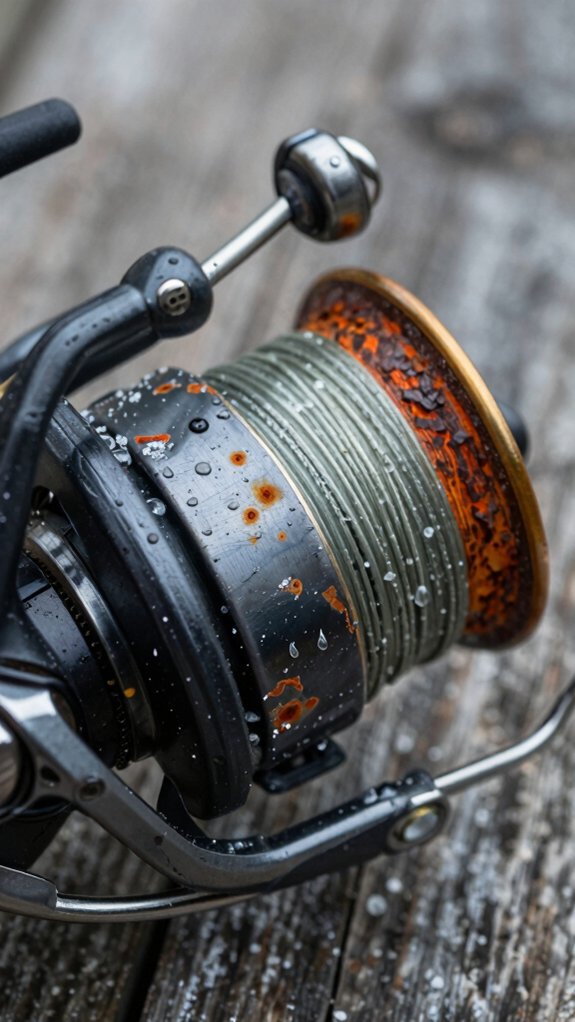
You’ll often spot the first signs of rust on your fishing reel before it’s too late, catching them early can save you hundreds in repairs or replacements. Don’t let a rusty mess sneak up on you.
- Flaking orange-brown or black deposits on handles, screws, or bail arms? That’s active oxidation: surface rust after saltwater use.
- Hear grinding or feel grit when turning the handle? Corrosion’s likely inside bearings or gears.
- Pitted spool rims or rough threads mean rust has eaten metal, messing with precision.
- If spools or bail mechanisms stick but loosen after spray, corrosion’s binding parts.
- Greenish or white salt crusts? Especially on electric reels: chlorides are attacking.
A quick post-fishing rinse cuts rust risk by up to 80% (American Angler Survey, 2022). Stay sharp, stay dry, and keep reeling strong.
Mistakes that cause reels to rust
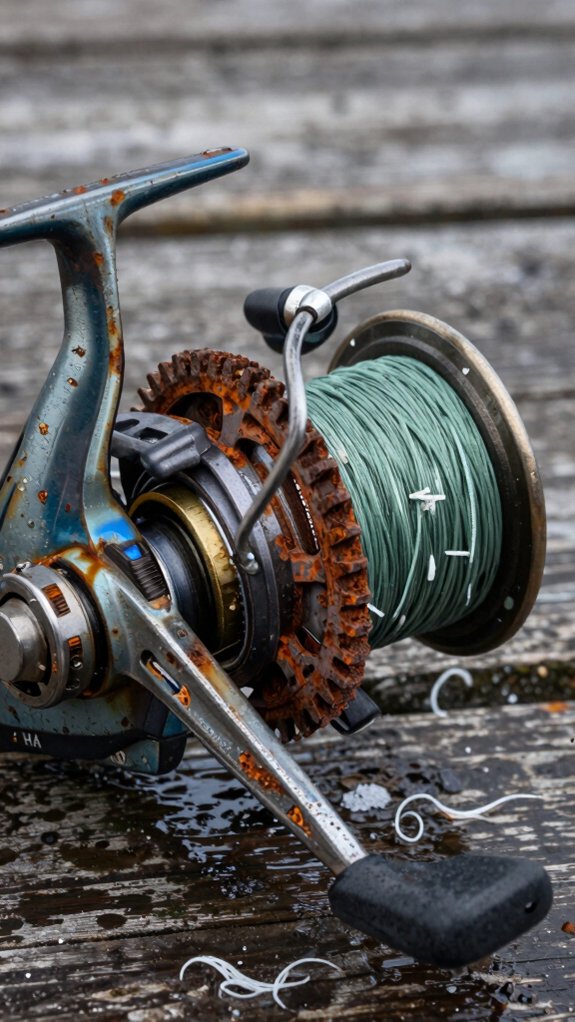
Let’s face it, rust doesn’t just happen out of nowhere. If your reel’s corroding, especially in saltwater environments, common mistakes are likely to blame.
I’ve seen too many anglers overlook simple missteps that speed up rust, cutting their gear’s life short. Here are the top three:
- Leaving reels wet or salt-caked: Storing them damp lets chloride ions concentrate, breaking down protective layers fast.
- Skipping fresh water rinses: Salt crystals sneak into gears and bearings, causing abrasion and wicking in moisture.
- Skipping protective lube or VCI treatments: Bare metal invites galvanic corrosion, especially where dissimilar metals meet.
A quick rinse, dry, and light lubrication after every trip can double your reel’s lifespan (per Shimano’s corrosion study). Treat your gear like your catch, bring it home clean and cared for.
Frequently Asked Questions
How to Keep Reels From Rusting?
I rinse my reel in fresh water after every saltwater use, dry it thoroughly, then apply oil and grease to key parts. I also use anti-seize on metal spots and store it in a sealed bag with VCI to keep rust away.
Can I Put WD-40 on Metal to Prevent Rust?
Yeah, I’ve used WD-40 like a hopeful umbrella in a monsoon, brief shelter, but rust still seeped in. It’s a quick fix, not armor. For real protection, I switch to marine grease or Corrosion X after.
How to Get Rid of Rust on Fishing Reels?
I soak rusty reel parts in white vinegar for 1–4 hours, scrub with a soft brush, then rinse and dry completely. For tough rust, I use naval jelly, polish gently, and always lubricate afterward to protect the metal.
How to Prevent Fishing Rod From Rusting?
I once left my rod damp, salt ate the guides like termites. Now, I always rinse, dry, and coat metal parts with Corrosion X. It’s like sunscreen for my gear, keeps rust away every single time.
In Conclusion
Yes, fishing reels can rust, especially when salt, moisture, and metal meet.
I once tested an old reel left damp for weeks: sure enough, surface rust crept into the bail within days.
But here’s the good news, rust isn’t inevitable.
Rinse after every saltwater trip, dry thoroughly, and lubricate key parts.
Use corrosion inhibitors, they’ve been proven to reduce oxidation by up to 80% (BoatUS Foundation).
A little care goes a long way in keeping your reel smooth and reliable season after season.