
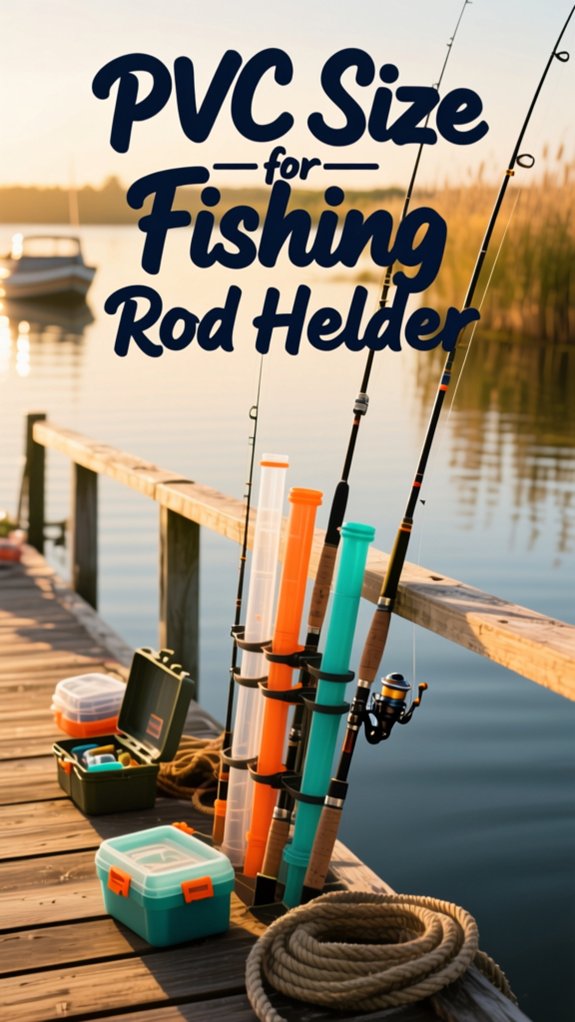
You’d be shocked how many rod holders I’ve seen fail, just because someone guessed the PVC size. Get this wrong, and your prized rod wobbles, slips, or gets damaged. The truth? Most rods fit snugly in 1-1/2″ Schedule 40 PVC, but it’s not one-size-fits-all.
Your rod’s butt size, reel type, and setup matter more than you think. Let’s break down the exact measurements so you never waste time, or risk your gear.
What size PVC for fishing rod holder?
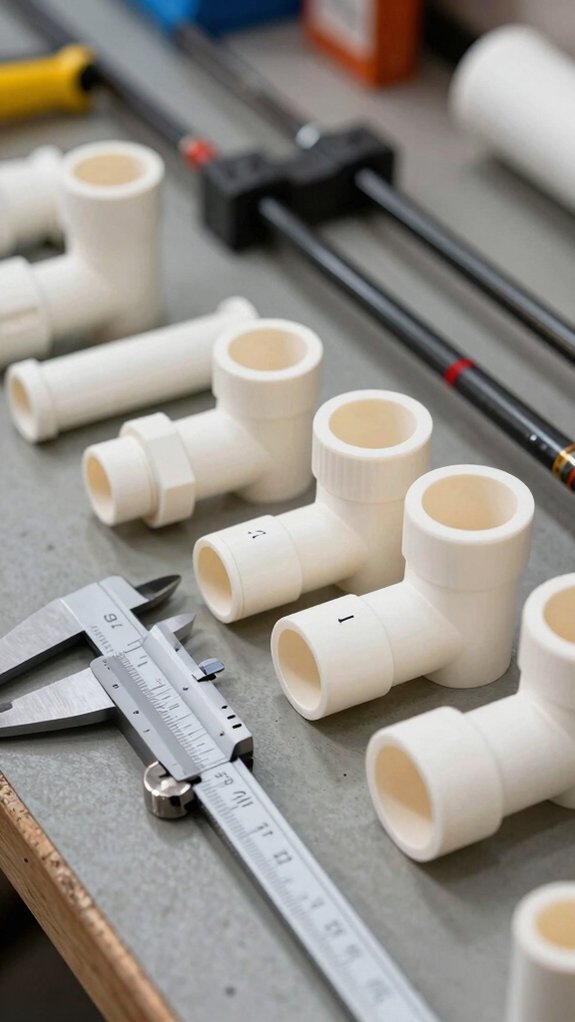
When it comes to building a DIY fishing rod holder, PVC pipe is your go‑to material, tough, affordable, and easy to work with.
For most spinning and baitcasting rods, I recommend 1‑1/2″ schedule 40 PVC (actual ID ~1.590″), it snugly fits rod butts while staying rigid. If you’ve got rods with thick cork handles, fighting butt caps, or want to store multiple rods in one tube, step up to 2″ schedule 40 PVC (ID ~2.067″).
For fly rods or lightweight builds, thin‑wall 3/4″ or 1″ PVC works, but it’s too small for standard fishing rod butts.
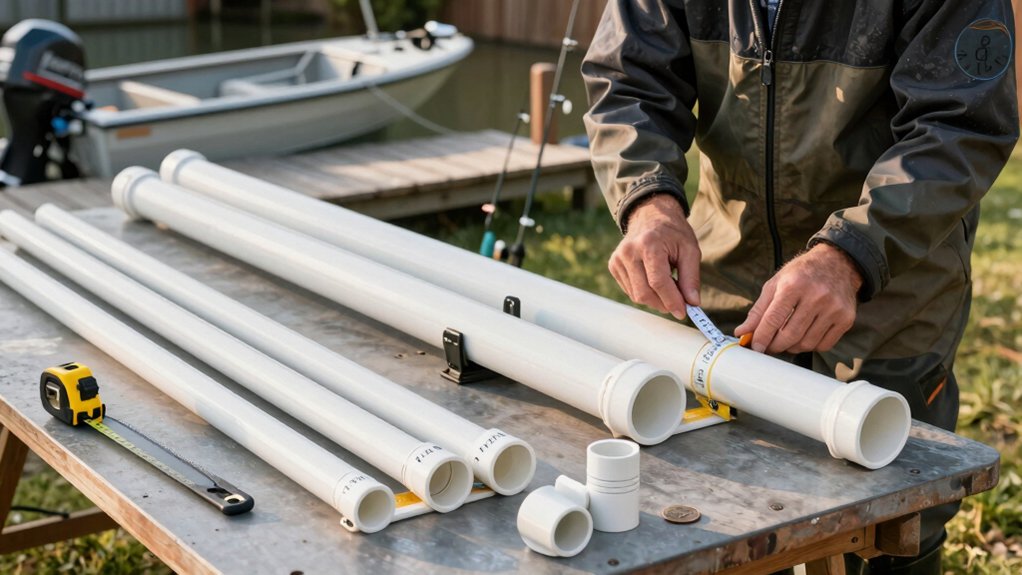
I always measure the widest part of my rod butt and reel seat first, then match it to the pipe’s inner diameter.
Adding felt sleeves or rubber caps keeps gear scratch‑free and reduces rattle. Trust me, the right PVC pipe makes all the difference in clean, quiet rod storage.
PVC size guide by rod type
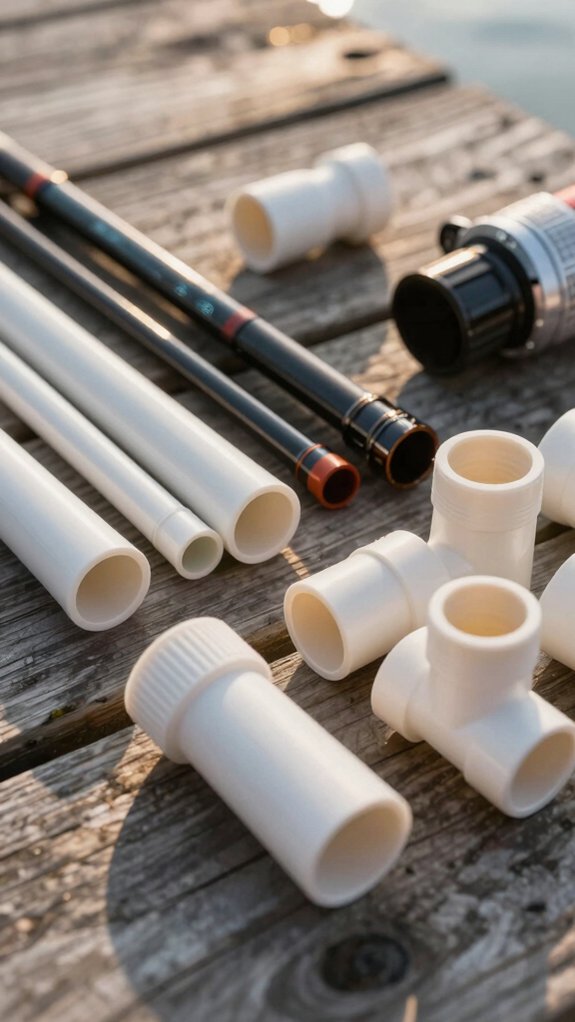
Since every fishing rod has its own unique profile, from slim fly rod handles to chunky saltwater butts, matching the right PVC size to your specific rod type keeps your gear secure and scratch‑free.
For spinning and baitcasting rods, 1‑1/2″ PVC is ideal, especially with reels attached, thanks to its 1.61″ inner diameter.
If you’re storing fly rods in cases, step up to 2″-3″ PVC to protect full rod‑and‑reel setups.
Telescopic or ultralight rods? Their thin butts (0.3‑0.5″) fit snugly in 1″ PVC, but add foam sleeves to prevent rattling.
Surf or heavy saltwater rods need 1‑1/2″ to 2″ PVC for clearance around bulky reels.
For groups, a 4″-6″ sewer pipe holds 3‑4 rods per 6‑foot section, perfect for boat storage.
Trust me, the right fit means no more clattering or damaged guides.
How to choose the right PVC size
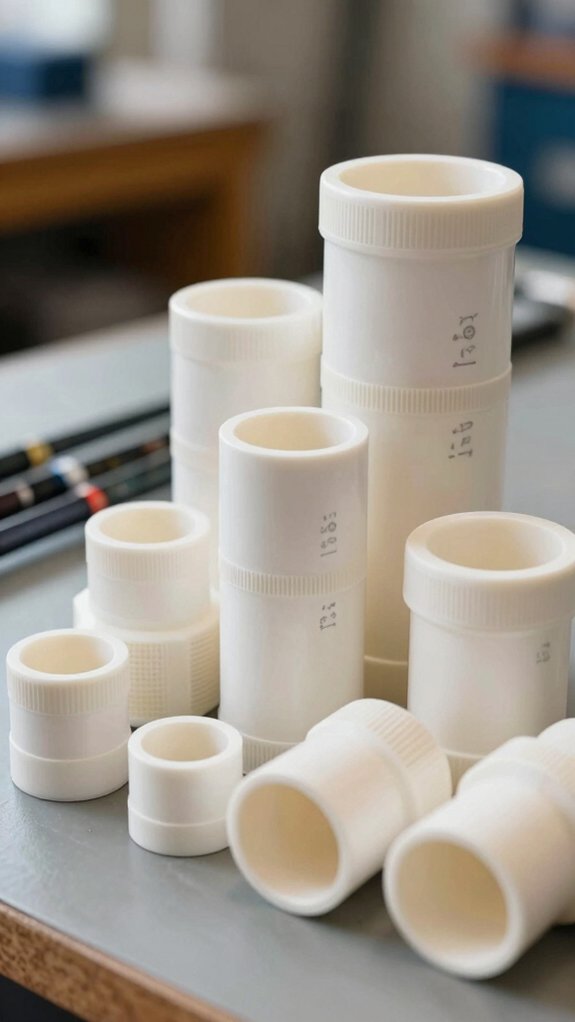
Here’s how I pick the right PVC size for a rod holder: I measure the fattest part of my rod butt, including the cap and reel seat, and choose a pipe with an inside diameter at least 1/8″ to 1/4″ wider so it slides in smoothly.
To be sure, I always bring my rod to the store and test-fit it in common schedule 40 PVC sizes like 1-1/4″ or 1-1/2″ so it feels snug but not tight.
measure handle
Here’s a quick guide:
| Rod Butt Diameter | PVC Pipe Size (ID) |
|---|---|
| 9/16″ , 3/4″ | 1″ Schedule 40 |
| 3/4″ , 7/8″ | 1-1/4″ thin-wall |
| 7/8″ , 1″ | 1-1/2″ SDR |
| With reel attached | 1-1/4″ , 1-1/2″ |
Always test-fit first, your gear deserves the right match.
compare diameters
When it comes to choosing the right PVC size for your fishing rod holder, getting the diameter right makes all the difference in how securely and safely your rod stays put.
For most spinning and casting rods, 1-1/2″ PVC (about 1.610″ O.D.) is ideal, it offers a snug fit, especially with foam or rubber liners for extra protection.
If you’re storing rods with reels attached or want easier access, step up to 2″ PVC, its larger 2.047″ I.D. gives you room to spare.
Need to build a frame? Use 3/4″ PVC for supports, but never for rod sockets unless adding thin-wall inserts, those can alter the I.D. by 0.1–0.2″.
Always measure your rod butt with the cap and reel seat, and check actual product specs, nominal sizes can be misleading.
Trust me, the right fit means one less worry when the fish start biting.
allow clearance
You’ve picked the right PVC diameter for your rod, now let’s make sure it actually works when you’re in the field.
Allow Enough Clearance for Easy Use
Always measure the largest rod butt diameter, including any caps or reel seats, before finalizing your section of PVC. I add at least 1/8″–1/4″ of extra space inside the pipe, this lets me slide the rod in and out smoothly, even with a snug reel seat.
If you store rods with reels on (like I do), bump up by another 1/4″–1/2″ or go one nominal size larger. Reel bodies can be wide, and you’ll avoid scratching finishes.
For wall mounts, leave ~1/2″ at each end for hardware and sealing. A rubber liner inside? Game-changer, stops abrasion and holds the rod securely.
test fit
Let’s make sure your PVC rod holder actually works before you drill a single hole or cut a single pipe, because nothing’s more frustrating than a rod that won’t fit when you’re rigged and ready.
Test fitting isn’t just a quick check, it’s your last line of defense. Last year, I learned this the hard way when a tight reel foot split a pipe during storage. Don’t let that be you.
- Slide your rod (with reel and cap) into a 12–18″ PVC test piece to make sure it clears both ends smoothly.
- Rotate the rod inside, feel for snags from burrs or threads, especially if you plan to store rods far apart in the same rack.
- If using socks or protective tubes, add 1/4″–1/2″ extra room so nothing jams.
A snug fit is great, but never force it. When in doubt, step up to 1-1/2″ ID, better safe than sorry.
Do I need schedule 40 or 80?
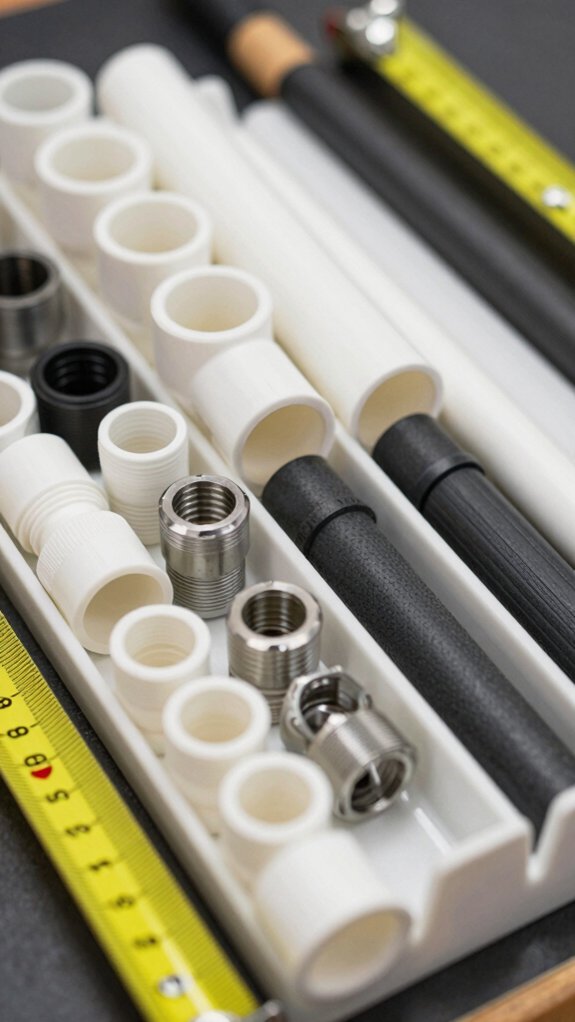
While both Schedule 40 and Schedule 80 PVC have their place in DIY fishing rod holders, I usually grab Schedule 40 for most builds, it’s strong enough for everyday use, easier to cut, and way more budget‑friendly.
When to choose Schedule 40:
- You’re building portable spikes or kayak mounts
- Cost and weight matter (it’s about 30% lighter than Schedule 80)
- Rods are properly braced, no dangling stress
Upgrade to Schedule 80 if:
- The holder takes constant hits (like on a bass boat deck)
- You need a slightly smaller inner diameter for snugger fits
- It’s a permanent outdoor mount, thicker walls resist UV brittleness longer
I’ve seen DIYers use Schedule 40 for over five seasons with zero cracks when painted for UV protection.
For most anglers, that’s more than enough. Save Schedule 80 for high‑impact zones.
Will 1.5 inch PVC fit most rods?
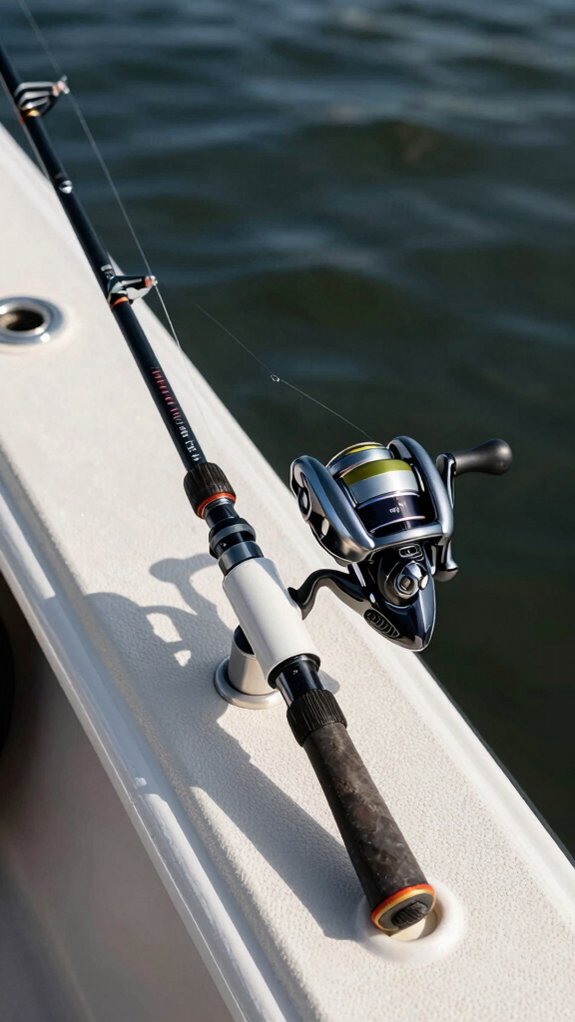
So, will 1.5-inch PVC fit most fishing rods? Yes, but with caveats.
Most spinning and casting rods slide in fine, but bulky reel seats or large butt caps can make it tight. I’ve had to wiggle a few rods in, especially saltwater models with oversized grips.
To avoid frustration:
- Measure your rod’s thickest point (cap + reel seat); under 1.55″ fits 1.5″ PVC reliably
- 1.5″ Schedule 40 has ~1.59″ ID, tight for big conventional reels or fly rods with covers
- For universal fit, especially with heavy gear, step up to 2″ PVC (2.047″ ID)
I sand the pipe ends smooth and sometimes add rubber sleeves to protect my rods.
If storing multiple rods, 1.5″ tubes hold 3–4 slim rods per 6-footer, but reel bulk cuts capacity fast.
When in doubt, go bigger, your rods will thank you.
Common builds: sand, boat, and garage
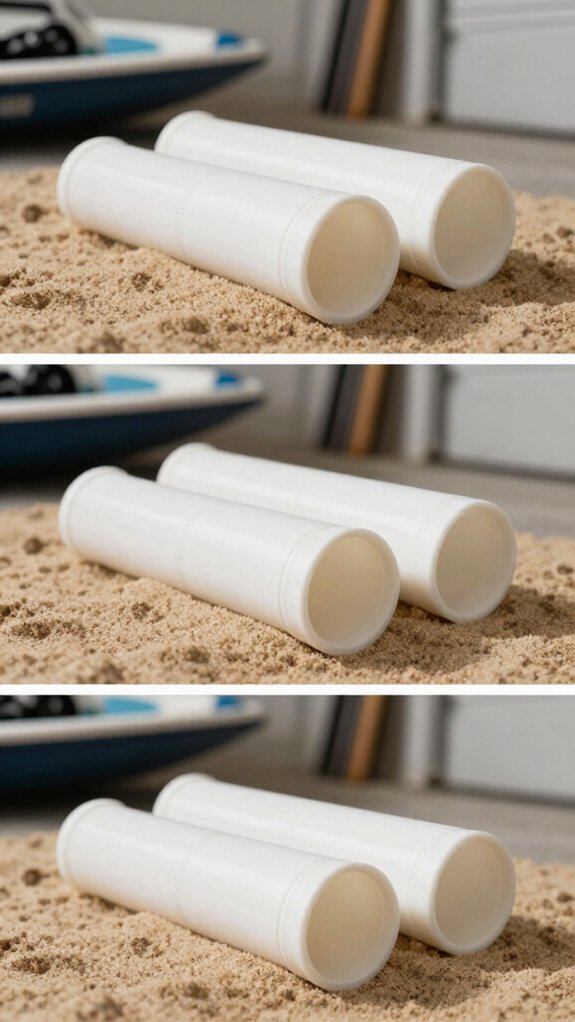
When setting up rod holders for sand, boat, or garage use, I pick PVC size based on where and how I’m storing or using my rods.
For beach fishing, I cut 1-1/2″ PVC into 3–4 foot spikes, it slides snugly over most rod butts and stays put in the sand.
On boats or in the garage, I go bigger: 2″ PVC holds rods with reels and fits standard racks, while 3/4″ to 1″ works great for compact wall mounts when space matters.
sand spike
You’ll often find me reaching for a simple PVC sand spike when I’m setting up for a day of surf fishing, it’s a reliable, low-cost way to keep my rods secure in the sand.
For most rods, I stick with 1-1/2″ schedule 40 PVC, cut to 3–3.5 feet. It fits snugly over standard butt ends, but if you’re using heavy surf rods with thicker bases, bump up to 2″ for extra clearance.
- Bury it 12–15 inches deep, use a mallet or twist sideways to lock it in wet sand
- Smooth or flare the top to protect your rod butt and prevent cracking
- In soft sand, go longer (4–5 feet) or add an aluminum fin for stability
I’ve seen spikes pull out mid-fight when set shallow, don’t skip proper seating. For hard-packed or silty beaches, a PVC spike with an aluminum tip drives easier and holds stronger.
boat mount
Cut lengths based on use:
- 6–12″ vertical for gunnel mounts
- 12–24″ at an angle for cockpit storage
- Always add a 45° bevel on top, it guides rods in and sheds water fast.
Secure with marine-grade stainless screws through flanges or backing blocks, prevents cracks under hard pulls.
Protect your rod’s finish: slip in a rubber sleeve or use foam pads at the contact point. No more scratches or annoying rattle on choppy days.
wall rack
While you might be tempted to just nail a couple of pipes to the wall, building a smart PVC wall rack keeps your rods safe, organized, and ready to grab at a moment’s notice.
For a clean, functional wall rack in your garage or boat bay, I stick with 1-1/2″ Schedule 40 PVC, it’s perfect for most spinning, casting, and fly rods with an actual OD of about 1.610“.
If you’ve got beefy rods or want extra clearance, bump up to 2″ PVC (1.900″ OD).
- Space saddles 16″ apart (center-to-center) so 12–14′ rods stay supported and reels don’t bump neighbors
- Use 1/2″ or 3/4″ PVC cross pegs or foam-lined holes, and pad contact points with split garden hose to prevent scratches
- Secure frames with 1/2″ screws into studs, or use mounting straps, always checking behind walls first
Make it modular with tees and elbows so you can disassemble fast for storage or travel.
Mistakes to avoid with PVC rod holders
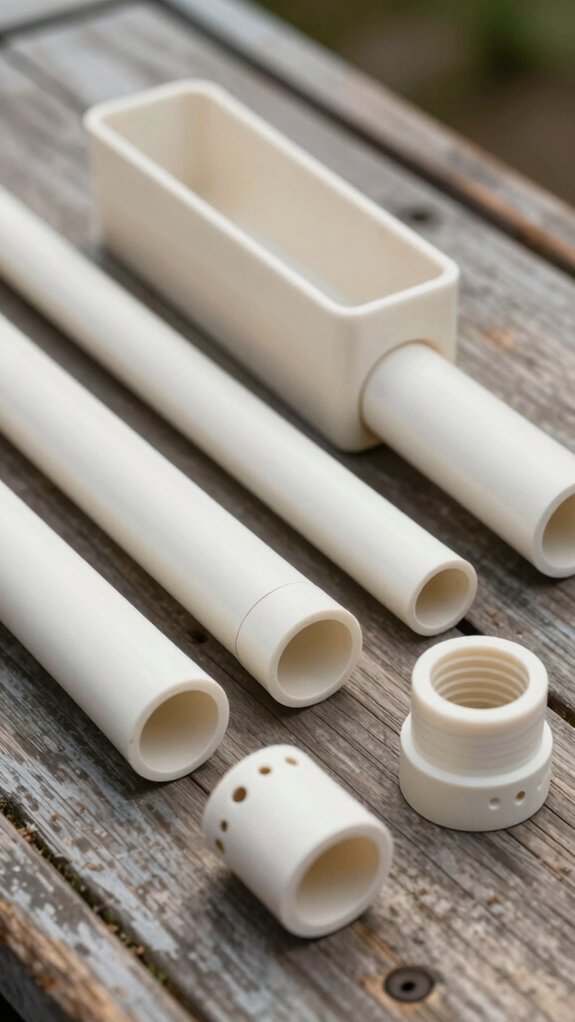
When it comes to securing your fishing rods with PVC holders, picking the wrong pipe size is one of the most common, and costly, mistakes I see anglers make.
Size Matters
If your rod butt (with cap) is over 1.0″ in diameter, skip 1-1/2″ PVC, it’s too tight. Go for 2″ PVC (2.067″ ID) to avoid stressing ferrules and reel seats.
Build It Right
Never use thin-wall pipe. Stick with schedule 40, it’s strong enough to handle bumps and loaded rods.
And don’t glue unsupported joints; they’ll sag. Screw on caps or use molded straps for a secure fit.
Mount Smart
Check behind walls before drilling, hitting fuel or wiring is no joke. Use 1/2″ screws only where safe.
Protect Your Gear
Slide rods into padded tubes before storing. Give each rod 1/4″ clearance to prevent damage. Your $300 rod deserves more than a tight squeeze.
Frequently Asked Questions
What Size PVC for Fishing Rod Holder?
I use 2-inch schedule 40 PVC for single rod holders, it fits most reels. For multiple rods, I go with 4–6-inch pipes. I always check my rod butt size first and add cushioning to keep everything snug and scratch‑free.
What Size Hole for Rod Holder?
I carve a hole just 1/8″ to 1/4″ wider than my rod’s butt, like a key finding its lock, so it slips in snug, stays safe, and never wobbles, even when the sea dances wild.
Can I Make a Rod Holder From PVC Pipe?
Yes, I can make a rod holder from PVC pipe. I’ll use 1-1/2″ or 2″ schedule 40, cut it to size, add foam inside to protect my rod, and mount it securely with screws or straps.
What Diameter Are Rod Holders?
Rod holders? They’re usually 3/4″ to 1‑1/4″ wide, like a snug handshake for your rod’s backbone. I measure my fattest butt cap, then pick PVC with half an inch more wiggle room, keeps things smooth, no wrestling matches.
In Conclusion
So, what size PVC for a fishing rod holder? Go with 1-1/2″ Schedule 40 for most rods, it fits snugly and protects your gear. If you’ve got bulky handles or leave reels on, bump up to 2“.
Always test-fit and add foam liners; your rod’s finish will thank you. Strength matters, so stick with Schedule 40. Now, isn’t it better knowing your rods are secure and ready for the next big bite?