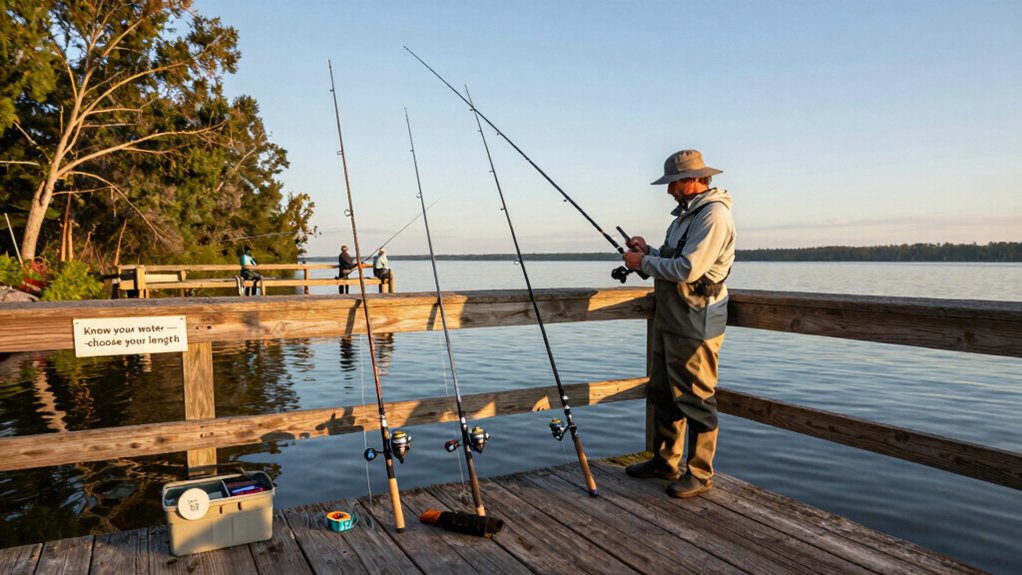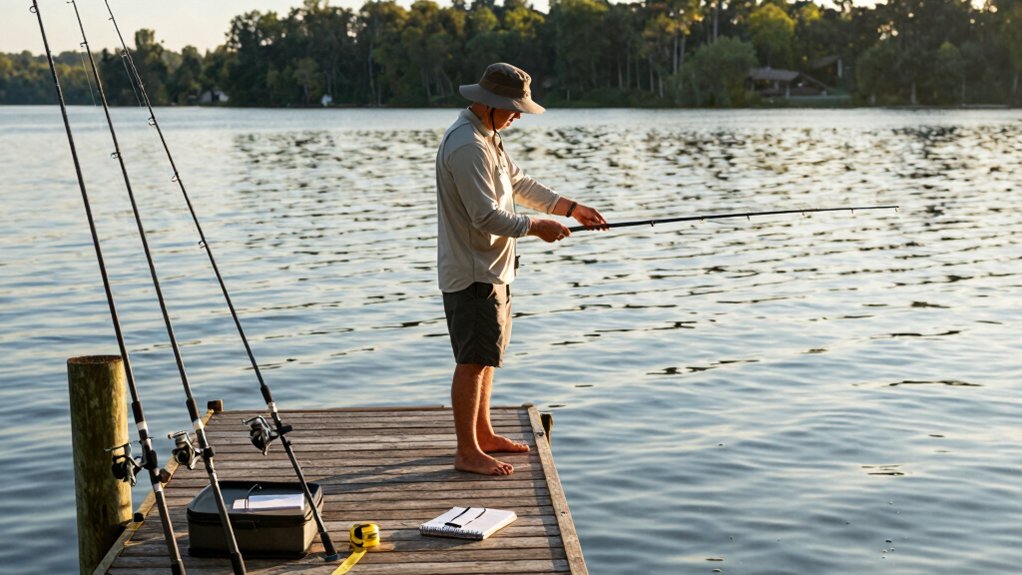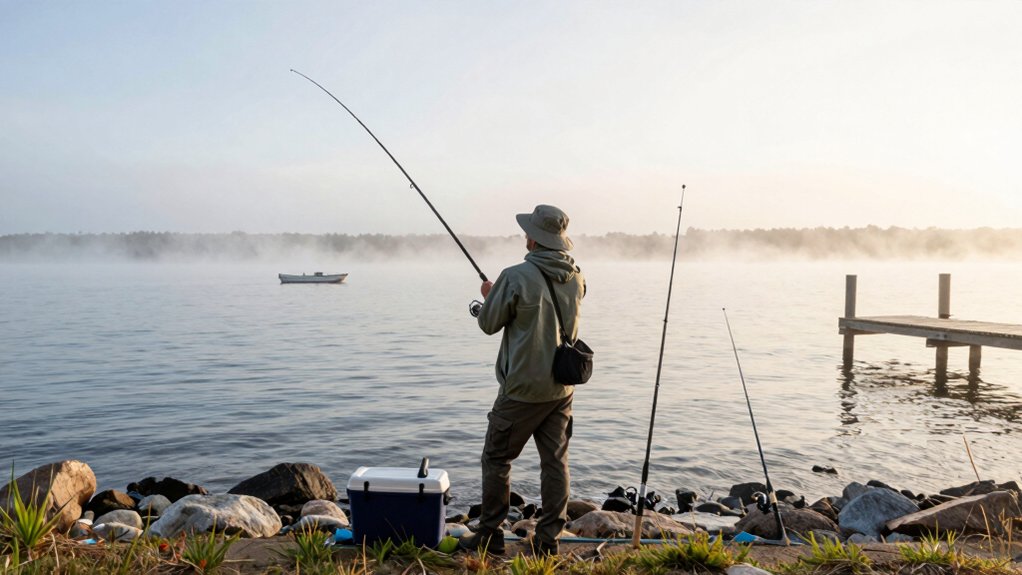
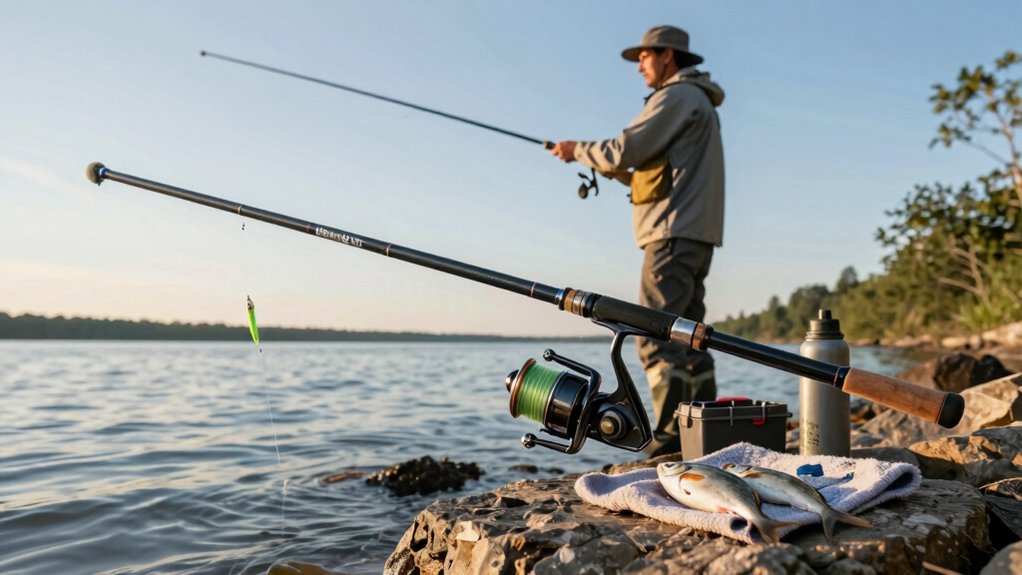

Yeah, Ugly Stik rods are good, especially if you want a tough, reliable rod without breaking the bank. I’ve seen them handle bass, redfish, and even light inshore work for years. They’re not the lightest or most sensitive, but they’re nearly indestructible and come with a solid warranty.
Pick the wrong model, though, and you might feel the weight or miss subtle bites. Let’s break down which one actually fits your fishing style.
Are Ugly Stik fishing rods actually good?
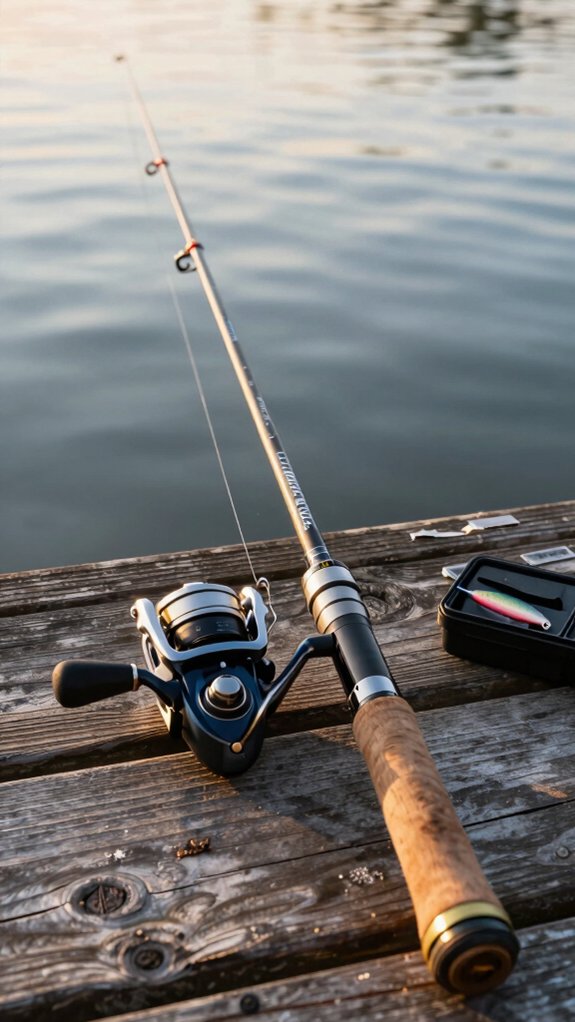
They’re not the lightest or most sensitive, sure, but for value, it’s hard to beat.
The GX2 retails around $50, comes with a 10-year warranty, and handles everything from bass to inshore stripers.
Bottom line: if you want a Ugly Stik that’s dependable, affordable, and tough as nails, you’re getting serious value, no second-guessing.
Pros and cons of Ugly Stik rods
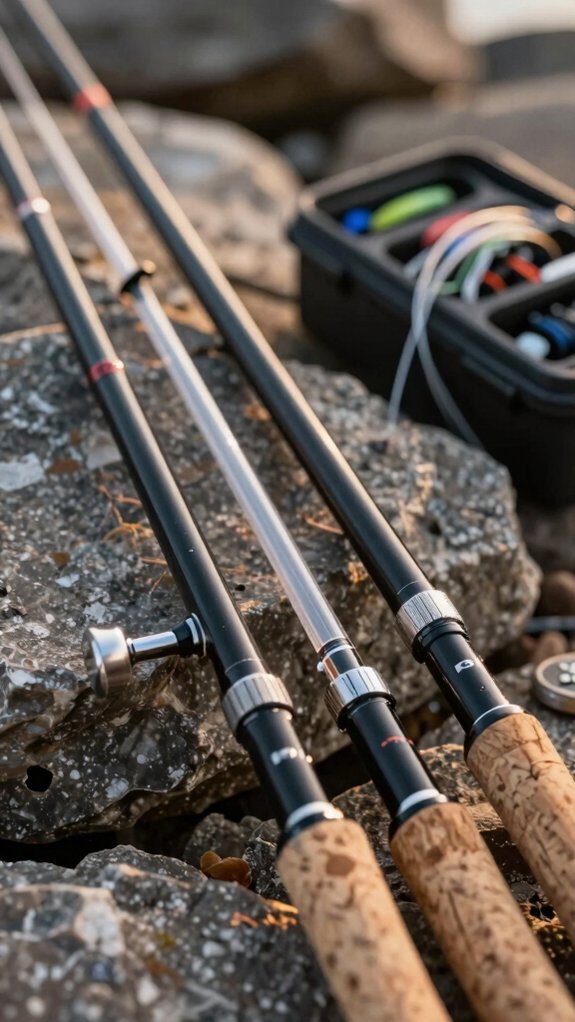
While they mightn’t win awards for finesse or featherlight feel, Ugly Stik rods bring a rugged reliability that’s earned them a permanent spot in countless tackle boxes, and for good reason.
Pros:
Built with a graphite, fiberglass composite, Ugly Stik rods are famously durable, often called “bulletproof.” I’ve seen them last decades, even as backup or beginner rods.
The limber tip delivers solid sensitivity for detecting light bites, while the strong backbone handles 5+ lb bass and inshore species with ease. Models like the GX2 (10-year warranty) offer great value under $50.
Cons:
They’re heavier than premium rods, and balance can feel off to experienced anglers. Some report quality control hiccups, like plastic reels on combos or epoxy flaws.
Sensitivity is good but not elite, limiting ultra-finesse tactics.
Ugly Stik rod series explained briefly
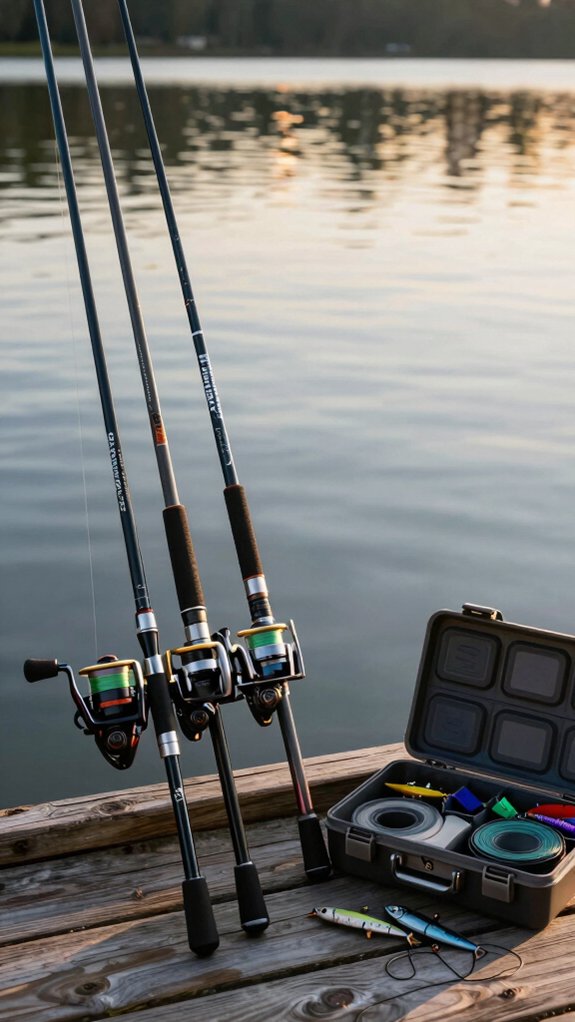
If you’re trying to pick the right Ugly Stik rod, it really comes down to matching the series to your fishing style and conditions. I’ve used them all, from the tough, budget-friendly GX2 for beginners to the more refined Elite and saltwater-ready Carbon Inshore, and each one fills a specific role without overcomplicating things.
Let me break them down so you can skip the guesswork and get rigged right the first time.
GX2 series
When you’re after a no‑fuss, tough‑as‑nails spinning rod that won’t break the bank, the Ugly Stik GX2 series hits the mark, especially if you’re just starting out or need a reliable backup rod in the trunk.
The Ugly Stik GX2 spinning rods are a solid entry level pick, blending graphite and fiberglass for durability and sensitivity. I’ve found the Ugly Tuff stainless guides hold up well, even under heavy use, and the 2025 update’s shrink‑tube EVA grip feels better in hand. At around $50, it’s a budget‑friendly Ugly Stik GX refresh that’s built for saltwater and rough handling.
Yes, it’s a bit heavier than pricier models, and the reel seat on combos can feel plasticky.
But with a 10‑year warranty and real‑world toughness, it’s a dependable workhorse, perfect for beginners or spare rods.
Elite series
Since I’m always on the water testing gear, I’ve found the Ugly Stik Elite series strikes a smart balance between durability and finesse, making it a go-to for anglers who want more sensitivity than the basic Ugly Stik but still need that legendary toughness.
The Elite spinning rod blends graphite and fiberglass, giving you a lighter, stiffer feel than standard Ugly Stiks. Perfect for finesse work on ponds and lakes, it excels with light lures and panfish tactics.
| Feature | Elite | GX2 |
|---|---|---|
| Sensitivity | High | Moderate |
| Weight | Light | Medium |
| Best For | Finesse lure fishing | Heavy-duty use |
I love how the Elite boosts sensitivity without sacrificing reliability. For $45–$85, it’s a smart upgrade for everyday anglers chasing better control and feel.
Carbon series
Though it’s not the toughest rod in the Ugly Stik lineup, the Carbon Inshore series hits a sweet spot between sensitivity and strength that I’ve come to rely on for serious inshore fishing.
Why I Choose the Ugly Carbon Inshore
Built with lightweight graphite, this rod delivers far better sensitivity than classic fiberglass Ugly Stiks, so I feel every subtle bite.
Yet, it still handles redfish or stripers without buckling.
The one-piece design sacrifices portability, but gains responsiveness and power.
- Paired with stainless steel guides that resist salt corrosion
- Priced around $110 with a 7-year warranty
- Lighter and stiffer than GX2, but not as fragile as premium models
It’s not Ugly’s most durable, but for finesse and feedback in mixed waters, the Carbon Inshore is my go-to.
Bigwater series
If you’re chasing hard‑pulling red drum, sneaky snook, or the occasional schoolie tuna near the inlets, the Ugly Stik Bigwater series is built to handle the abuse without breaking the bank.
Built Tough for Salt Water
The Bigwater rods are my go‑to for inshore and light offshore work. They blend graphite and fiberglass, giving you a stiff backbone with a limber tip, perfect for casting heavy lures and feeling subtle bottom bites.
Rated medium heavy, they handle braid and heavy mono like pros. I love the bombproof Ugly Tuff guides and corrosion‑resistant seats, critical for salt water durability.
With lengths from 7′ to 9′, these rods offer reach and power. Backed by a 7–10 year Ugly Stik warranty, they’re reliable as a primary rod or rugged backup.
Value? Unbeatable.
Carbon Inshore
When you need a no-nonsense rod that handles tough inshore fights without sacrificing feel, the Ugly Stik Carbon Inshore steps up.
This Ugly rod blends lightweight graphite with serious backbone, giving you sensitivity for detecting subtle bites and power to turn red drum or stripers in heavy cover.
Built for Inshore work, the Carbon Inshore series uses a one-piece design for maximum strength, ideal when durability matters most.
You’ll love the bombproof stainless guides that resist salt corrosion, even after months of bay fishing. While it’s less portable than two-pieces, you gain reliability.
Best for:
- Live-bait rigging
- Popping and jigging
- Anglers wanting premium feel without the $200 price
It’s not ultra-finesse, but if you want a tough, responsive rod that won’t quit, the Carbon Inshore delivers.
How to choose the right Ugly Stik
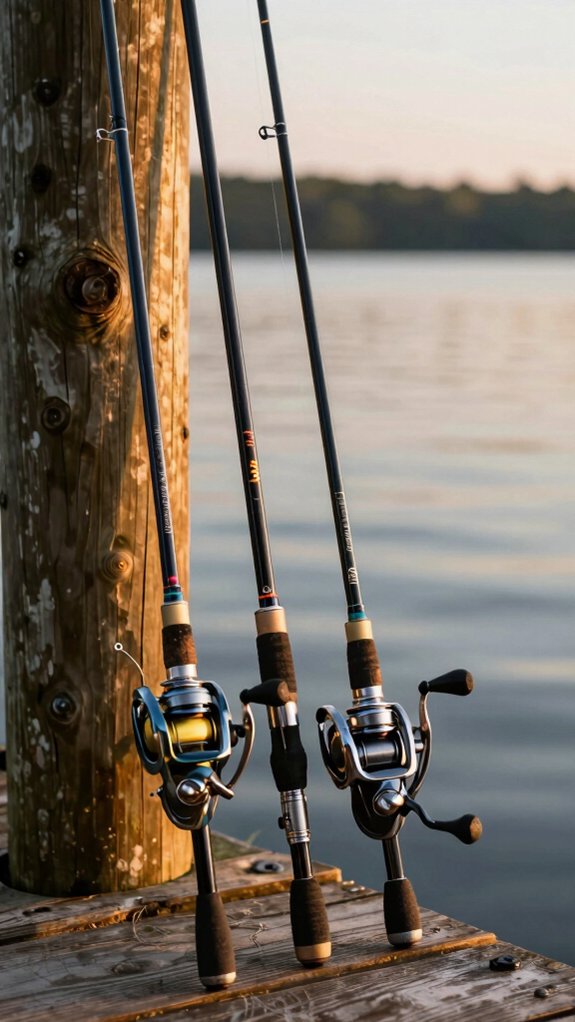
Picking the right Ugly Stik comes down to matching the rod to your fishing style and target species.
I look at power and action first, ultralight for panfish, medium‑heavy for bass lures, and heavy for big inshore predators, then pair it with the right lure weight and rod length for better casting and control.
If you’re on a budget but want toughness, the GX2 is a solid go‑to, but I’ll step up to the Elite or Carbon Inshore when I need lighter feel or saltwater strength.
target species
Why do some rods seem to handle every fish from sunfish to stripers without breaking a sweat? The right Ugly Stik makes all the difference.
For ultra light action targeting panfish or trout, I reach for an Ugly Stik ultralight, super sensitive and perfect for tiny baits.
When chasing bass, my go-to is a medium-light Elite or GX2; it’s got the backbone for crankbaits but still feels subtle strikes.
If you’re throwing buzzbaits or heavy lures, step up to medium-heavy or heavy models, shorter 7’ rods work great from a boat.
And for inshore battles with redfish or stripers? I trust the Ugly Stik Carbon Inshore, corrosion-resistant and built for salt.
Need a do-it-all rod? GX2 combos are tough, affordable, and backed by a 10-year warranty, perfect for kids or backup.
rod power
While it might seem like just a matter of strength, choosing the right rod power on an Ugly Stik actually shapes your entire fishing experience, from detecting faint nibbles to landing hard-pulling bass or saltwater bruisers.
Rod power affects sensitivity, casting ease, and backbone. For panfish or trout, go ultralight, it picks up subtle bites and handles 1/64–1/8 oz lures with ease.
Targeting bass? A medium power rod casts crankbaits and spinnerbaits smoothly and handles 6–12 lb test. Thick cover or big swimbaits? Step up to medium‑heavy for extra punch.
Remember, action matters too, Ugly Stik’s limber tip boosts sensitivity, while the stiffer lower blank powers strong hooksets.
In saltwater or for heavy fish, I always size up one power class. It helps with wind, corrosion, and hard-charging species.
For a do-all rod, I grab a 6’6″–7″ medium, it’s balanced, versatile, and ready for most freshwater challenges.
rod length
Rod length directly shapes how far you cast, how well you fight fish, and how comfortable you feel after hours on the water, so I always match it to my target species and fishing style.
For most anglers, a 7′ medium Ugly Stik is the sweet spot, one fishing rod that handles bass, stripers, and even light inshore saltwater work with ease. Need more reach? Go 8’–9′ for surf casting. But in tight spots, like small streams or crowded boats, shorter rods (5’6″–6’6″) boost accuracy and control, especially with ultralight GX2 or Elite models.
If you’re into travel or backpacking, two-piece or travel rods (like Saltiga travel models) keep performance high without the bulk.
Just remember: longer rods cast farther but cause more fatigue. I prefer lighter EVA-grip models for all‑day comfort.
lure weight
When it comes to picking the right Ugly Stik, getting the lure weight just right makes all the difference in how smoothly you cast, how well your bait dives, and whether you can set the hook without snapping your line.
Match your lure weight to the rod’s rating, ultralight spinning rods shine with 1/8–3/8 oz lures for panfish or trout, keeping action natural and sensitivity sharp.
For bigger baits like crankbaits or buzzbaits, go medium-heavy (1/2–1+ oz) to handle the punch and power needed.
If you’re mixing techniques, bank, boat, or inshore saltwater, a medium or medium-light rod offers the best balance across lure weights.
When in doubt, size up slightly; heavier lines and saltwater demands mean a higher lure-weight spec prevents underloading.
Your rod should load on the cast, not struggle.
budget range
You don’t need to break the bank to land a solid Ugly Stik that casts true and fights fish well, your budget just needs to match how and where you fish.
For new anglers or those wanting a dependable backup, the GX2 (~$50) is a rugged, value-packed choice with a graphite-fiberglass blend and a 10-year warranty, perfect for trunk duty or rough saltwater use.
If you’re ready to step up, the Ugly Stik Elite ($85–$110) delivers better balance, lighter weight, and improved sensitivity, ideal for regular freshwater or inshore fishing.
- Under $50: Great for beginners or backup rods, but expect trade-offs in feel and durability
- $85–$110: Best budget sweet spot: components and performance shine without premium pricing
- Match power to prey: Ultralight GX2 for panfish, Elite or Carbon Inshore for heavier inshore work
How do Ugly Stik rods perform in use?
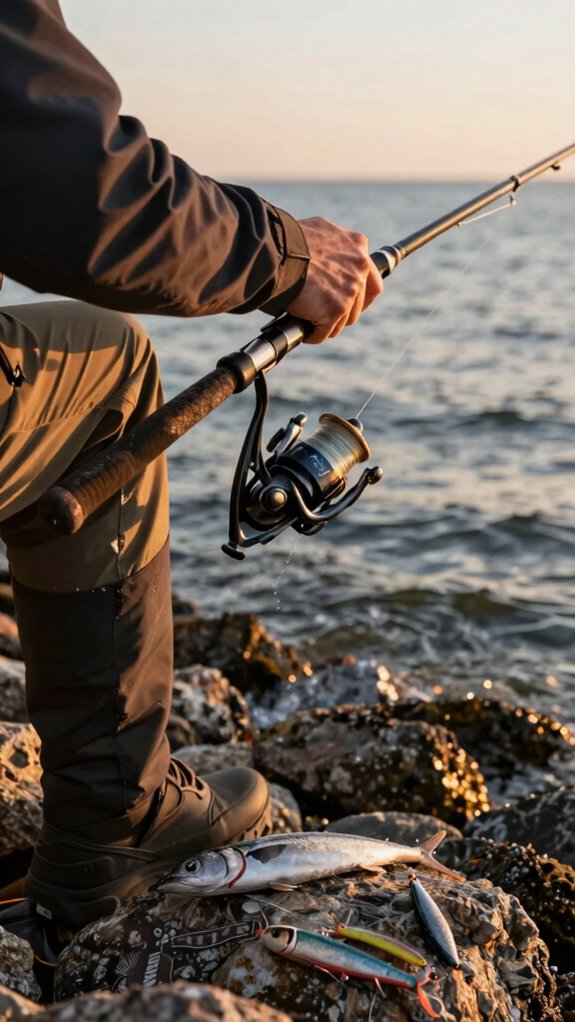
| Strength | Real-World Benefit |
|---|---|
| Tough composite | Survives drops, bumps, saltwater |
| Limber tip | Detects light bites easily |
| 10-year warranty | Long-term trust in performance |
| Versatile | Works for bass, trout, inshore |
| Affordable | Great backup or starter rod |
I’ve used my GX2 for years, it’s my go-to when I need a no-fail setup. While heavier and less balanced than pricier rods, it performs where it counts: keeping fish pinned and lines intact.
Upgrading the line helps, but honestly? These rods just work.
Common Ugly Stik buying mistakes to avoid
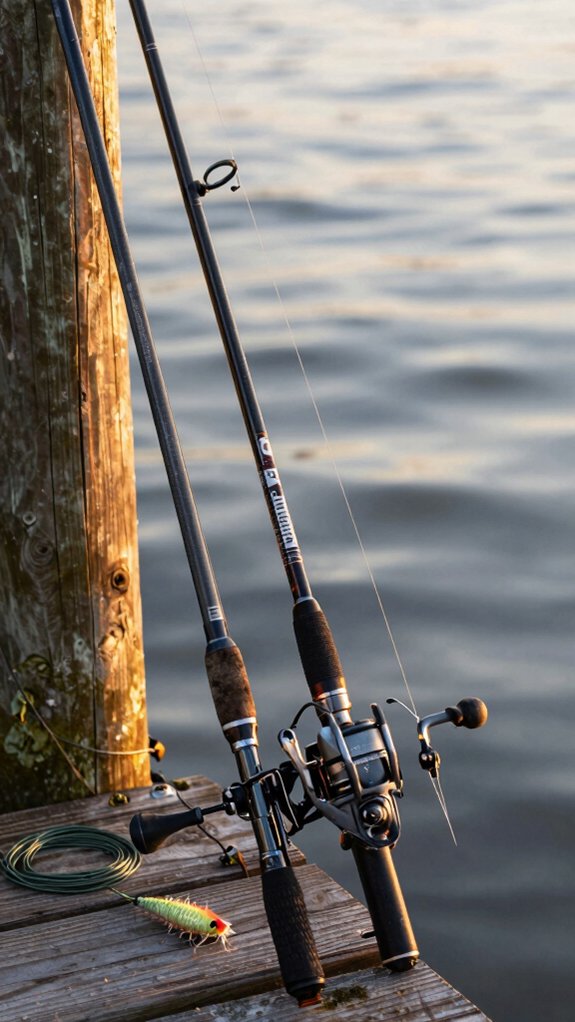
Don’t let the tough reputation of Ugly Stik rods fool you, picking the wrong one can turn a reliable tool into a frustrating misfit. Avoid these common pitfalls when buying:
- Buying the wrong model: Need ultralight panfish action? A medium‑heavy GX2 won’t cut it. Match the rod to your target species and fishing style.
- Ignoring reel quality: Pairing your Ugly Stik with a stiff, low‑end reel kills casting performance. Invest in a smooth reel or upgrade to quality line like Suffix.
- Skipping inspection/return policy: Some units ship with crooked tips or epoxy issues. Buy from retailers with solid return policies, inspect guides and tip straightness before hitting the water.
Trust me, spending $85–$110 often beats chasing nostalgia or the cheapest price. A well‑balanced setup means more fish and less frustration.
Is an Ugly Stik worth the money today?
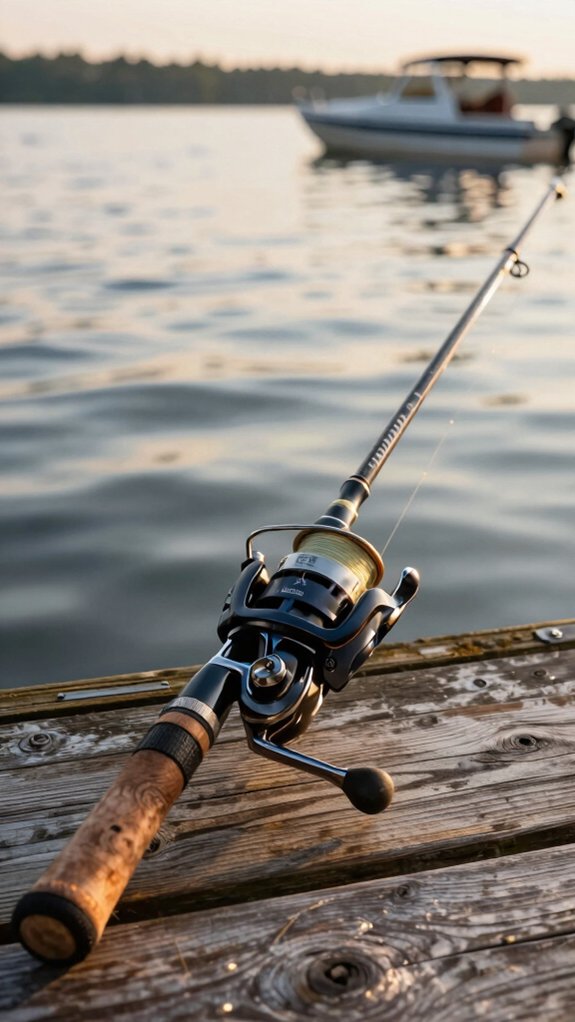
While some might overlook Ugly Stik rods as outdated or too basic, I’ve found they’re still absolutely worth the money today, especially if you’re just starting out or need a no‑nonsense rod that can take a beating.
As a durable backup or trunk rod, Ugly Stiks shine. Their graphite, fiberglass composite handles saltwater, drops, and rookie mistakes better than many pricier options. For around $50, $110, you get solid performance and long warranties, like the GX2’s 10‑year coverage.
If you crave lighter weight and better sensitivity, the Elite and Carbon Inshore models step up without breaking the bank.
Just know: they trade off some finesse performance and ultra‑light responsiveness. But for real‑world durability and value? Ugly Stik rods are still a smart, confidence‑inspiring pick.
Frequently Asked Questions
Is the Ugly Stik a Good Fishing Rod?
Yeah, I’ve found the Ugly Stik’s tough and reliable, I’ve used mine for years without issues. It’s not the lightest or most sensitive, but it handles heavy fish and rough use better than pricier rods, making it my go‑to backup.
What Are the Top 5 Best Rods?
I’ve used the Ugly Stik Carbon Inshore in choppy coastal surf, it handled redfish and mullet without a bend. It’s my top pick for durability, sensitivity, and saltwater grit, beating pricier rods in real‑world abuse.
Are Ugly Stik Fishing Rods Guaranteed for Life?
No, Ugly Stik rods aren’t guaranteed for life across the board, I’ve seen some models like the GX2 with a 10-year warranty and Carbon Inshore with 7 years, but it depends on the specific rod and terms.
What Is the Most Reliable Fishing Pole Brand?
I’ve seen a guide in the Florida Keys use the same Shimano Teramar for six years, salt, storms, and all, because its Fuji guides and corrosion‑resistant build just won’t quit. That’s why I trust Shimano most for reliability.
In Conclusion
Yes, Ugly Stiks are still solid picks, especially if you’re after toughness without breaking the bank. Think of them like your favorite old pickup: not flashy, but it hauls gear, takes a beating, and starts every time. I’ve seen GX2s outlast pricier rods in salt spray and rocky drops.
Just check for crooked tips on arrival. For bass, panfish, or inshore runs, they deliver. If you’re not chasing ultra-finesse, an Ugly Stik’s a trusty companion that won’t quit when you need it most.