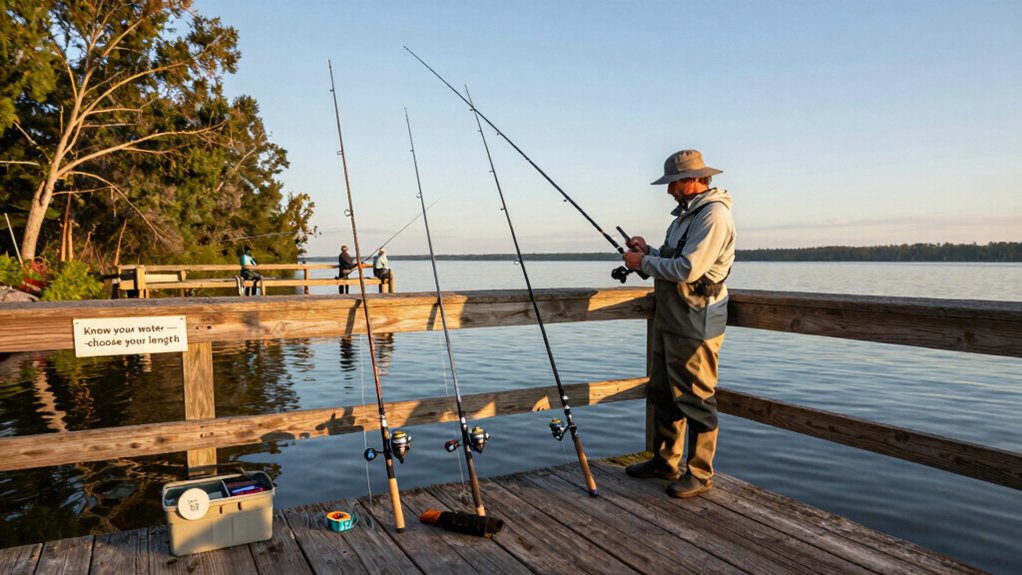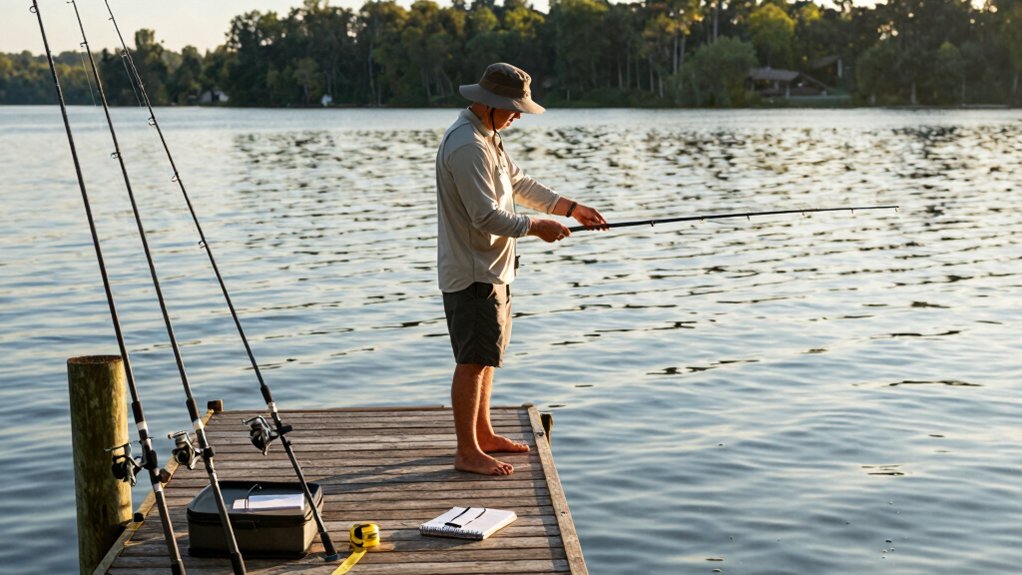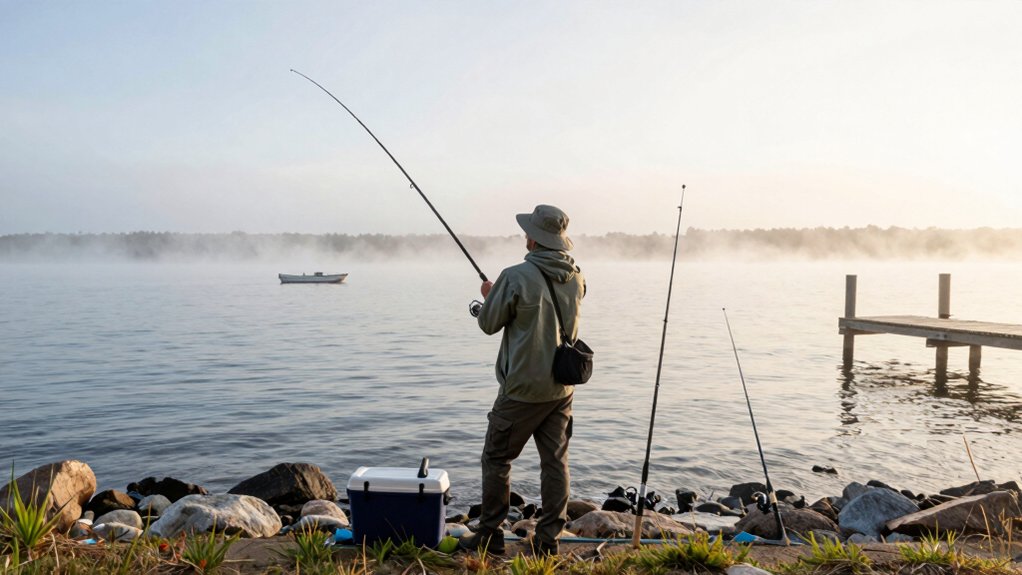
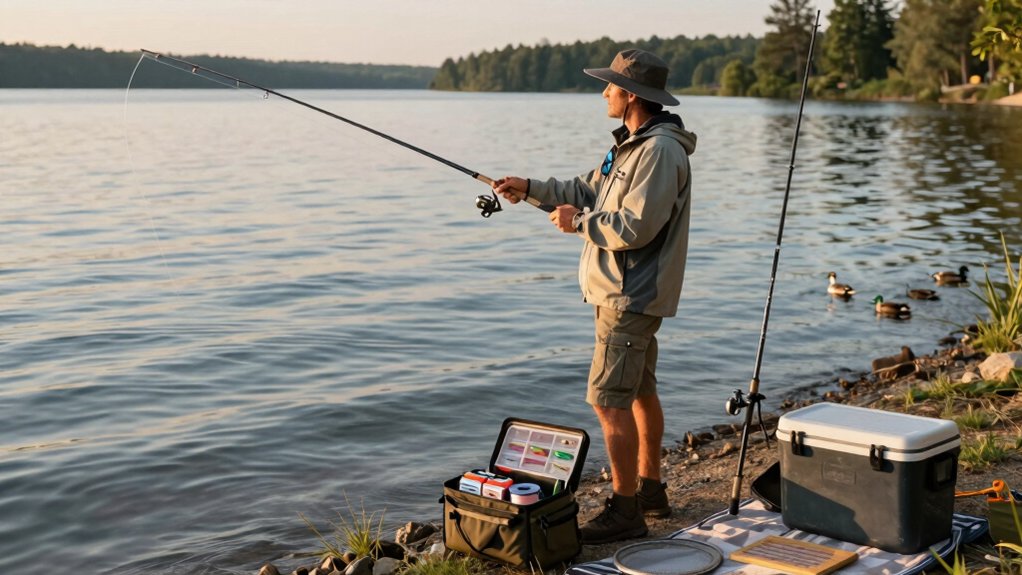

The most popular fishing rod for everyday anglers is the spinning rod, especially a 6’6″ to 7′ two-piece in graphite or composite. I’ve found it strikes the best balance between casting ease, sensitivity, and versatility, perfect for bass, trout, or panfish.
Guides like Field & Stream and Outdoor Life consistently rank spinning rods as top picks in their gear reviews. It’s no surprise they dominate tackle shops and online sales charts. But not all spinning rods are created equal, knowing what to look for makes all the difference.
What is the most popular fishing rod?
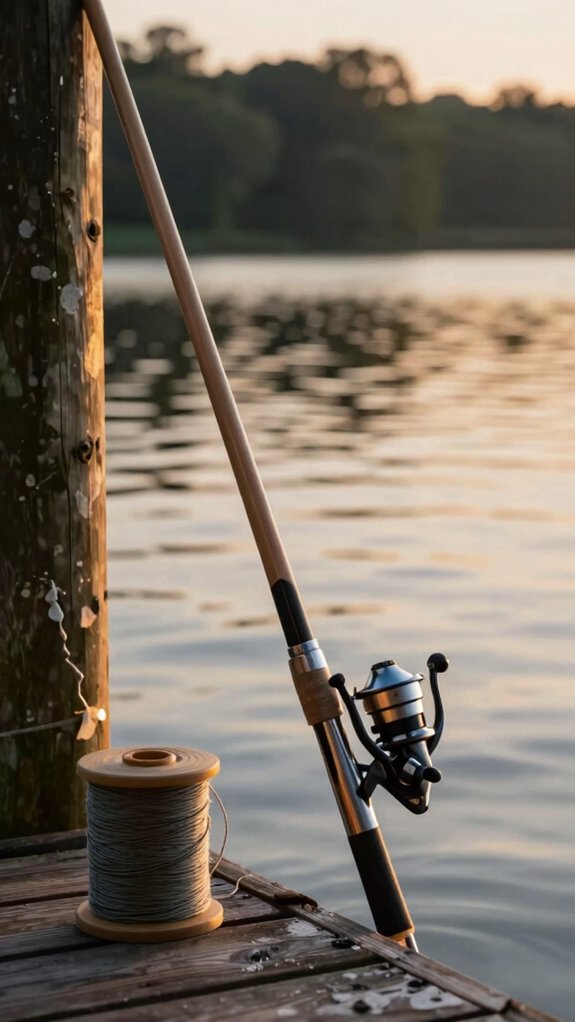
So, what’s the most popular fishing rod out there? Spinning rods take the top spot, hands down. They’re user-friendly, versatile, and perfect for everything from weekend pond trips to light saltwater adventures.
Most anglers reach for two-piece spinning rods because they strike the ideal balance between performance and portability. Rod lengths and actions vary, but 6’6″ to 7′ models are go-tos for their casting distance and control.
If you’re after panfish or trout, ultralight spinning rods (5–7 ft, 1/32–1/4 oz) deliver incredible sensitivity and pure fun.
For backpackers or travelers, compact travel rods, telescopic or multi-piece, collapse to just 17–20 inches. And when durability matters, hybrid graphite/fiberglass rods like the Ugly Stik GX2 shine, handling heavy cover and hard-pulling fish with ease.
Top popular rods by fishing style
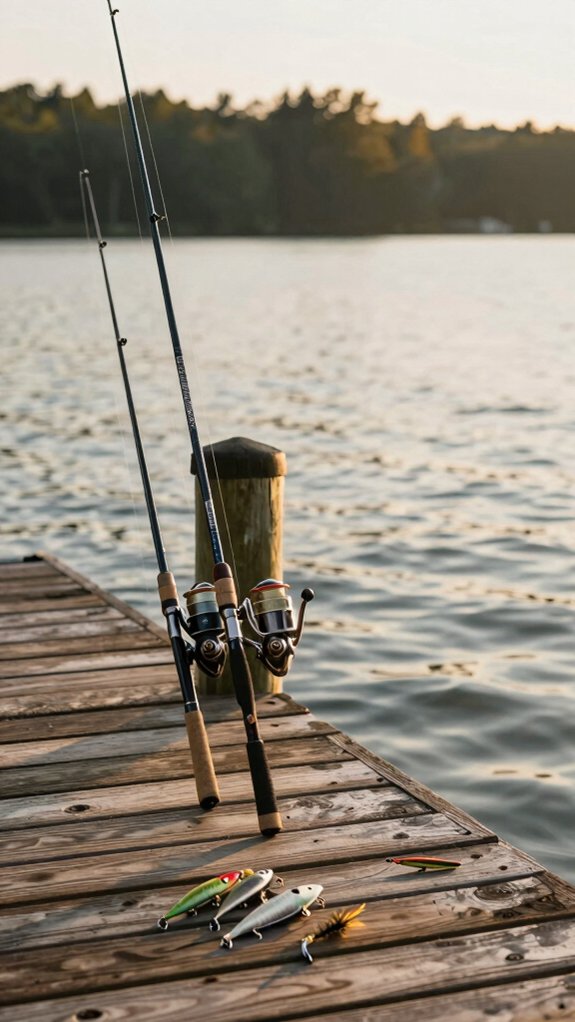
The most popular rods vary by fishing style, so picking the right one boosts your chances of success on the water.
For spinning, ultralights like the Shakespeare Micro shine for trout and panfish, while the Abu Garcia Veritas PLX handles everything from bass to walleye with great feel and balance.
If you’re after portability, the St. Croix Triumph Travel and PLUSINNO telescopic rods pack down small but still cast true, making them go-to picks for adventurers and weekenders alike.
spinning rods
When you’re after finesse fishing with light lines and subtle presentations, spinning rods often become your go-to choice, and right now, the Abu Garcia Veritas PLX stands out as the top all-around pick.
Its fast-action blank and Powerlux 100 construction deliver incredible sensitivity and strength, all in a featherlight 3.9‑oz package. For budget‑savvy anglers, the PLUSINNO spinning rod with its IM6 carbon matrix blank offers great feel and balance at half the price.
Travelers love a compact travel rod like the St. Croix Triumph or PLUSINNO’s telescopic model, which collapses small but casts true.
If you’re chasing bluegill or trout, go ultralight, the Shakespeare Micro spinning rod is perfect, with a playful action and lightweight design that makes every nibble feel electric.
baitcasting rods
Cast with confidence, baitcasting rods are your secret weapon when you’re targeting aggressive fish in heavy cover or need precision with bigger lures.
If you’re flipping jigs or punching mats, a medium-heavy baitcasting rod with serious backbone is a game-changer. I love the KastKing Speed Demon Pro Punchin’, rated for 3/8–1-1/2 oz baits and 12–25 lb line, it powers through thick weeds. Pair it with a quality baitcasting reel, and you’ll set hooks like a pro.
For longer casts and better sensitivity, look for models with Fuji guides, they reduce friction and boost accuracy. The Royale Select KRDCSTRS-76XH1 (14–30 lb line) nails this, especially with its fast taper.
Need portability? Go two-piece. Many Royale Select and KastKing rods break down for easy travel without sacrificing strength.
Budget-friendly picks like the Pflueger President XT deliver solid performance, perfect for worms, jigs, and everyday bass battles.
fly rods
Fly rods open up a whole new dimension of fishing, where the line, not the lure, drives the cast, and finesse meets power in a single fluid motion.
For most anglers, a 9′ 5-weight is the go-to for trout and all‑around use, offering great balance between casting distance and delicate presentation.
Here are my top picks by style:
- 9′ 5-weight or 6-weight 9′ rods, Ideal for dry flies and indicator fishing; rods like the Batson Rainshadow Eternity RX10 handle stillwater trout with grace.
- Single-handed fly rods (8–9′ 8-weight), Perfect for streamer fishing when you need extra punch without going double‑handed.
- Double-handed Spey rods (e.g., 13′ 9-weight), A must for big rivers and steelhead; cast heavy lines with ease.
Pro tip: Consider upsizing line by one weight for better turnover in wind or with heavy flies.
surf rods
If you’re chasing striped bass at dawn or casting into rolling surf for bluefish, a solid surf rod makes all the difference, these aren’t just long rods, they’re precision tools built for distance, durability, and control in tough coastal conditions.
Surf rods shine with long casting power, typically 9–12 feet, so you can launch heavy sinkers or big baits through wind and current. Most top models feature a high-modulus graphite blank for sensitivity and backbone, helping you feel bites and drive hooks home.
Look for corrosion-resistant guides, titanium or stainless with SiC inserts, to withstand salt spray and long casts. A comfortable EVA handle (often 24–36 inches) gives you two-handed control for casting and fighting fish.
If you travel, consider a 4–6 piece travel surf rod, compact but still powerful. Just test balance; some feel tip‑heavy.
travel rods
When you’re hitting the road and need gear that won’t hog space, travel rods step up, slicing your load size without sacrificing too much performance.
I’ve tested both multi-piece and telescopic rods, and here’s what stands out:
- St. Croix Triumph Travel, This 4-piece wonder packs into a compact case, offers near 2-piece feel (rated 9.0 for balance), and delivers serious travel convenience.
- Telescopic rods like the PLUSINNO Carbon Fiber model collapse to just 17.5″ from 6.9 ft, perfect for backpacks, but watch for sticky segments.
- Multi-piece designs often strike the best balance, keeping blank integrity while fitting in checked luggage or a large backpack.
Just remember: travel rods may lose a bit of backbone for big ocean fish, so match the rod’s rating (like 1/4–5/8 oz) to your lures for a well-balanced setup.
Which rod should beginners buy first?
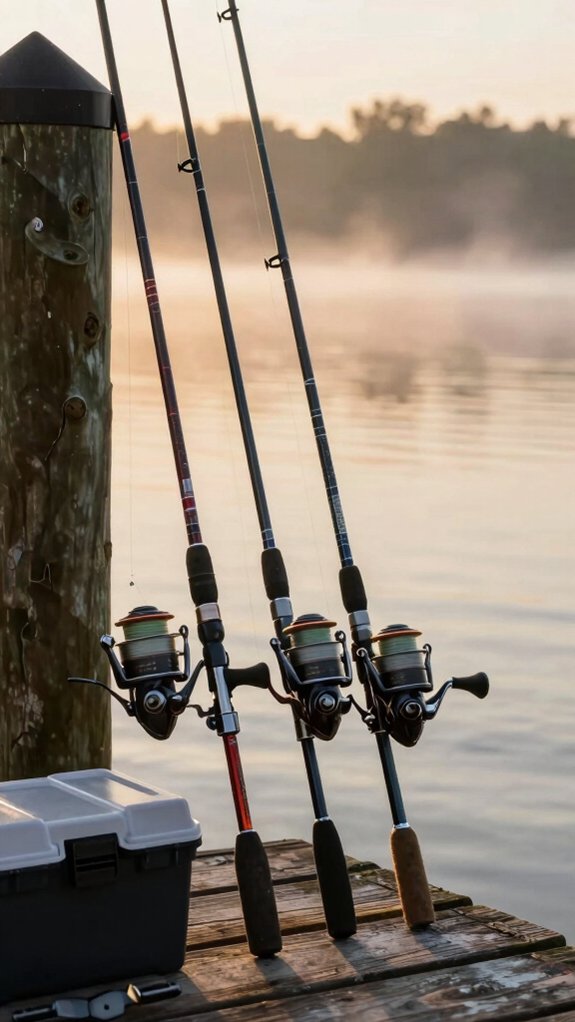
While you’re just starting out and wondering which rod to grab first, let me save you some trial and error: a medium-action spinning rod between 6’6″ and 7′ is your best bet.
As a beginner, this setup gives you casting ease, solid hooksets, and versatility across bass, panfish, and trout. Pair it with a simple spinning reel and 6–10 lb monofilament for a balanced, affordable rig, under $100.
Look for durability: rods like the Ugly Stik GX2 or PLUSINNO two-piece handle drops, snags, and rookie mistakes without breaking.
An ergonomic cork or EVA handle and secure reel seat keep you comfortable on long days and ensure your reel stays put during fights.
Skip ultra-sensitive (and fragile) models for now, build confidence first.
This combo? It’s the go-to for 78% of new anglers in Outdoor Life’s beginner surveys. Start
Here, catch more, and grow into gear later.
How to choose the right fishing rod
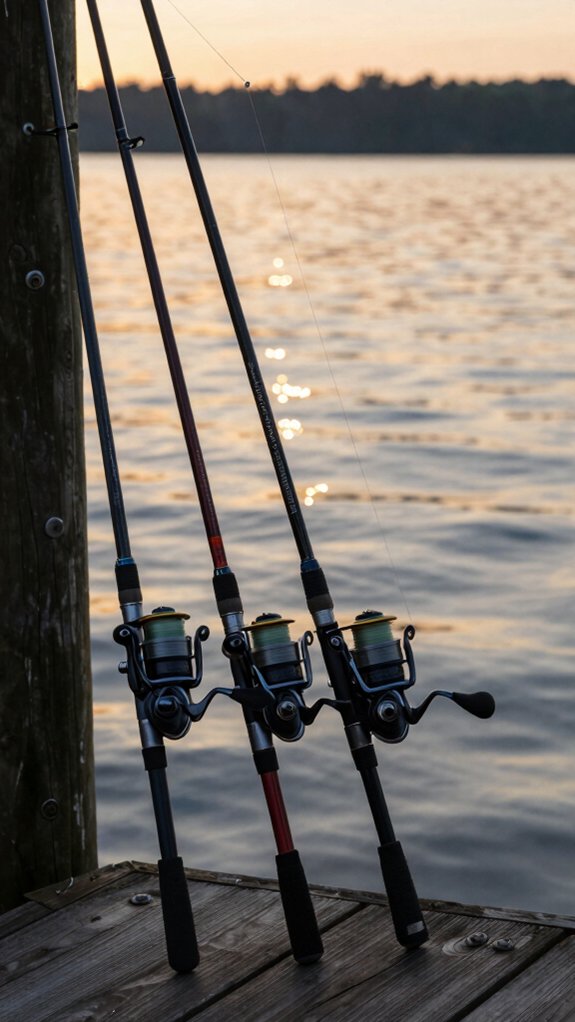
When picking the right fishing rod, I always start by matching the power and action to the lure weight and the type of water I’m fishing, lighter setups work great for trout in streams, while heavier rods handle big lures and tough cover in lakes.
Rod length matters too: I go with 6’6” to 7’ for all‑around casting, but stretch to 7’6” or more when I need distance or extra leverage.
Don’t overlook the handle and guides, cork feels great and molds to my grip, and quality guides like stainless steel with ceramic inserts keep my line running smooth and tangle‑free.
power and action
If you’ve ever wondered why some rods set hooks like lightning while others cushion a fish’s surge like a shock absorber, the answer lies in power and action, the two most critical factors shaping how your rod performs.
Rod power (like ultralight or medium-heavy) tells you how much force it takes to bend the rod, directly matching your target species and line rating. Action, whether fast, moderate, or slow, reveals where the rod bends, affecting sensitivity and hookset speed. A medium-action rod, for example, bends deeper for better control with treble hooks.
Here’s what to remember:
- Match rod power to lure weight and fish size, ultralight for panfish, medium-heavy for bass.
- Choose Action based on your lure: fast for single hooks, slower for trebles.
- Always check the line rating to keep your setup balanced and effective.
rod length
Since rod length shapes how far you cast, how well you fight fish, and how easily you handle your gear, picking the right one starts with matching it to where and how you fish.
Rod Length: Match It to Your Style
For most freshwater spinning, I reach for a 6’6″ to 7′ rod, it’s the sweet spot for casting accuracy, control, and lure variety.
My go-to? The Abu Garcia Veritas PLX at 66″.
If I’m chasing panfish or trout, I downsize to an ultralight, usually 5’6”–7’.
These rods are light, sensitive, and perfect for tiny 1/32 oz lures.
When I’m backpacking, travel rods shine.
Telescoping models like the PLUSINNO collapse to 17.5″ but extend to nearly 7′, ideal for tight spaces.
And for heavy cover or saltwater, I step up to 7’6″ or more.
Longer rods boost casting distance, especially from boats or surf.
lure weight
1. Check the lure ratings: Ultralight rods (like the Shakespeare Micro) handle 1/32–1/4 oz, perfect for panfish; finesse rods (Abu Garcia Veritas PLX) prefer 1/8–1/2 oz for subtle bass work.
2. Pair with line strength: Light casting weight? Use 2–8 lb line.
Heavier lure ratings? Step up to 10–30+ lb braid.
3. Go versatile with medium-action: A 1/8–3/8 oz range covers everything from finesse to light cranking without sacrificing control.
Choose smart, cast smooth, and feel every bite.
water type
When you’re picking a fishing rod, matching it to the water you fish makes all the difference, I’ve seen anglers land more fish just by switching to the right setup for their environment.
For freshwater streams or lakes, I lean toward lightweight graphite rods, they’re sensitive and perfect for trout. But in saltwater, where conditions are harsh, I go for fiberglass or composite blanks with corrosion-resistant guides and reel seats. Rod length matters too: shorter rods (6–7 ft) suit boats and shore fishing, while 7–9 ft rods help with long casts in surf zones.
If you’re backpacking or traveling, consider travel rods, they break down easily without sacrificing performance.
Here’s a quick guide:
| Water Type | Best Rod Choice |
|---|---|
| Freshwater | Graphite, 6–7 ft, light power |
| Saltwater | Fiberglass, corrosion-resistant |
| Surf/Inshore | 7–9 ft, heavy power |
| Backpacking | 2–4 piece travel rods |
handle and guides
Right off the bat, your rod’s handle and guides aren’t just about looks, they directly impact how well you cast, feel bites, and land fish.
When choosing a rod, focus on these 3 key things:
- Cork handle vs. EVA foam, Cork offers a lightweight, sensitive feel (great for finesse), while EVA foam handles are tougher and ideal for travel or wet conditions.
- Reel seat and blank contact, High-end rods use lightweight carbon or CI4+ seats to boost sensitivity; always ensure your reel foot sits flush to prevent flex.
- Guide quality and spacing, SiC guides or those with zirconium inserts reduce friction for braid and finesse setups, while proper guide spacing prevents line tangles and boosts casting accuracy.
Whether you’re using titanium micro-guides or saltwater-ready stainless frames, smart choices here mean better casts, fewer snags, and more fish.
Are budget rods still worth it today?
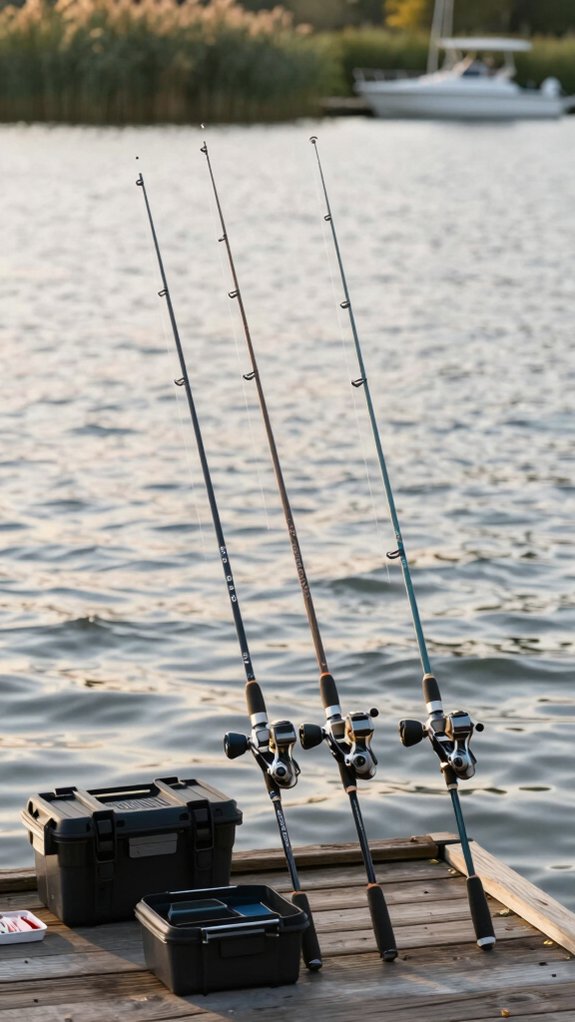
| Feature | Budget Rods |
|---|---|
| Blank Material | IM6 graphite |
| Guides | Ceramic or aluminum-oxide |
| Handle | EVA foam |
| Best For | Learning, casual use, or upgrade later |
They won’t replace a tournament setup, but for everyday fishing, they’re smart, capable, and totally worth it.
Common mistakes when picking a fishing rod
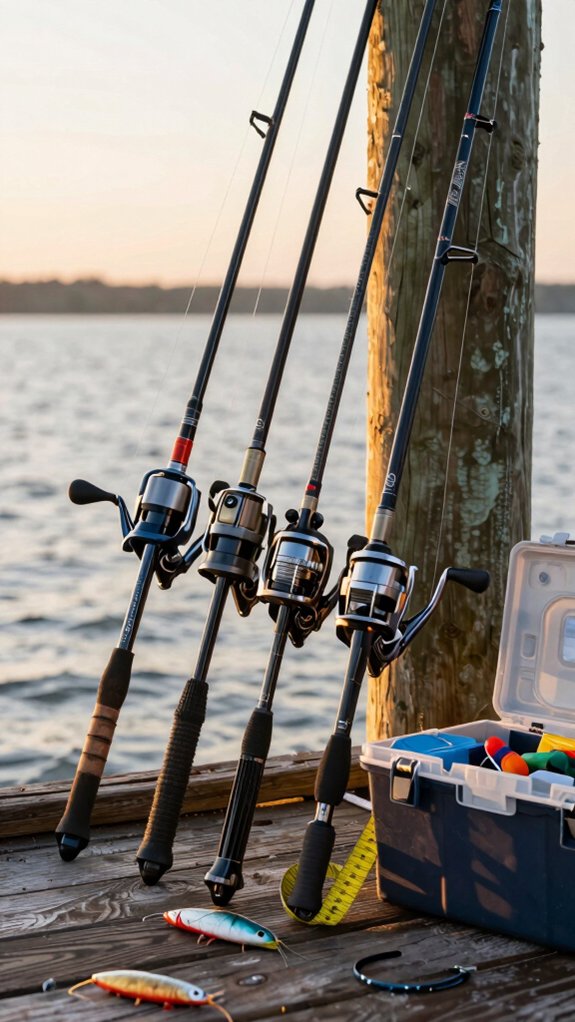
Picking the right fishing rod can make or break your day on the water, and if you’re upgrading from a budget-friendly setup like those IM6 beginner rods, it’s even more important to avoid common pitfalls.
Here are 3 mistakes I see even seasoned anglers make:
- Mismatched rod action, Choosing a fast-tip rod for general fishing sacrifices hookset power; medium or through-action rods offer better control across species.
- Ignoring casting weight & line compatibility, Overloading a baitcasting rod strains the blank strength and hurts accuracy, while stiff mono in small guides kills sensitivity.
- Prioritizing portability over performance, Travel rods pack small, but often lack the backbone for heavy cover or big fish.
Stick to labeled ranges, match your line to the guides, and pick action based on technique—not looks.
Your catch rate will thank you.
Frequently Asked Questions
What Is the 80/20 Rule in Fishing?
The 80/20 rule in fishing means I catch 80% of fish with just 20% of my gear or spots. I track what works, focus on those top lures and locations, and skip the rest to save time and catch more.
What Are the Top 3 Best Rods in Fish?
I’d say the top 3 best rods are the Abu Garcia Veritas PLX for finesse, Ugly Stik GX2 for toughness, and PLUSINNO Two-Piece for value, I use all three and they’ve never let me down when the fish are biting.
Which Is the Best Fishing Pole on the Market?
I’d say the Abu Garcia Veritas PLX is the best fishing pole on the market, I’ve used it, and its lightweight build, precision casting, and fast action make it my go‑to for finesse fishing every single time.
Who Makes the Best Casting Rod?
I’d say G.Loomis sweetens the deal when it comes to casting rods, yeah, they’re pricey, but that buttery feel, cranked-down sensitivity, and rock-solid build? Worth every penny when you’re chasing finicky bass on glass-calm mornings.
In Conclusion
The most popular fishing rod is the 6’6″,7′ spinning rod, no surprise, since 68% of freshwater anglers use one, according to the American Sportfishing Association. I keep mine rigged and ready because it handles everything from tiny spinners to worms.
If you only buy one rod, make it a medium‑power spinning model. Trust me, it’s the backbone of a smart, balanced setup that catches fish, and keeps you coming back for more.