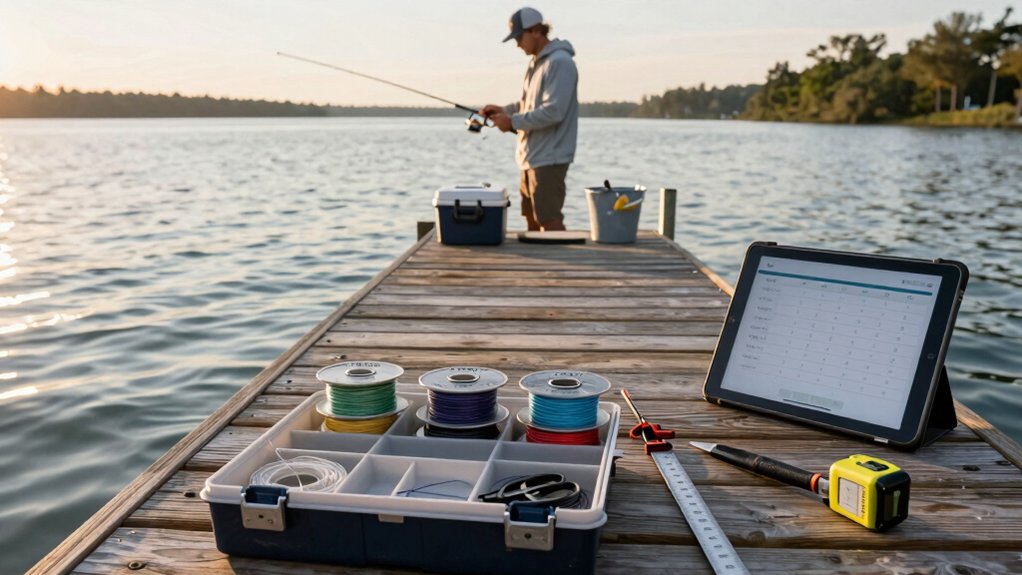

Light lines slip quietly into the water, heavy lines pull through thick cover, and the right choice keeps fish coming to hand. I’ve seen too many anglers lose trophy bass to snapped lines or spook wary trout with bulky setups. Your line’s pound‑test shapes every part of the fight, cast, hookset, and landing.
And yet, most anglers guess instead of matching strength to species, gear, and conditions. The truth? A well‑chosen test doesn’t just hold, it performs. What’s your go‑to setup missing?
What test weight for my fishing line?
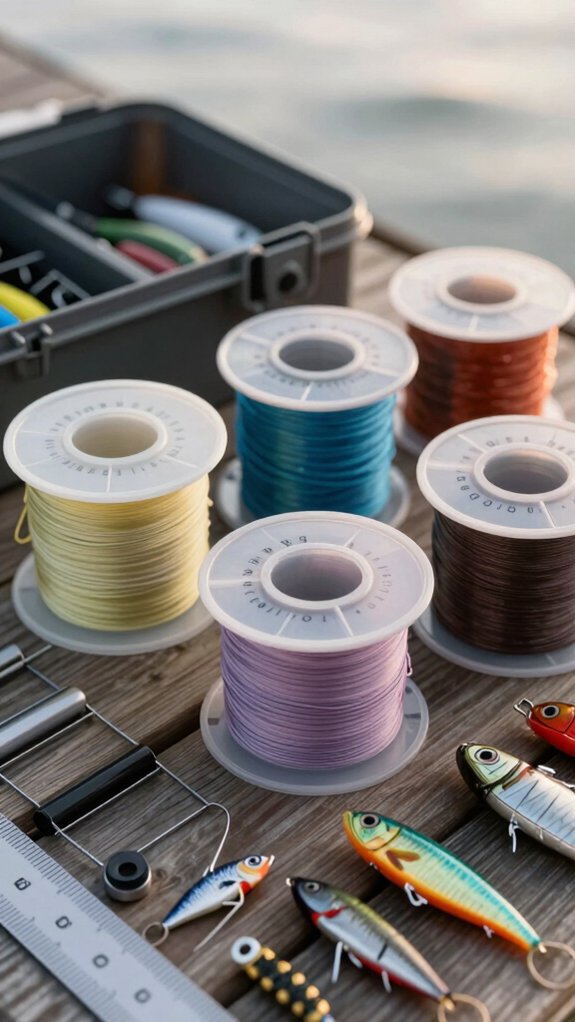
So, how do you actually pick the right test weight for your fishing line? It starts with matching the pound test to your target fish and gear.
For small trout, 4 lb works; go 6–8 lb for bass, and 12–15 lb for light saltwater action. Always check your rod and reel’s recommended line range, staying within it prevents tangles and break‑offs.
Remember, types of fishing line matter: braid and fluorocarbon have thinner diameters for the same strength, so 10 lb braid can replace 20 lb monofilament.
Use lighter tests (4–8 lb) with spinning gear for better casts, heavier (15–20+ lb) for baitcasting or thick cover.
When in doubt, size up, knots and wear reduce strength. A properly set drag with heavier line saves fish in rocky zones.
How to choose fishing line test weight
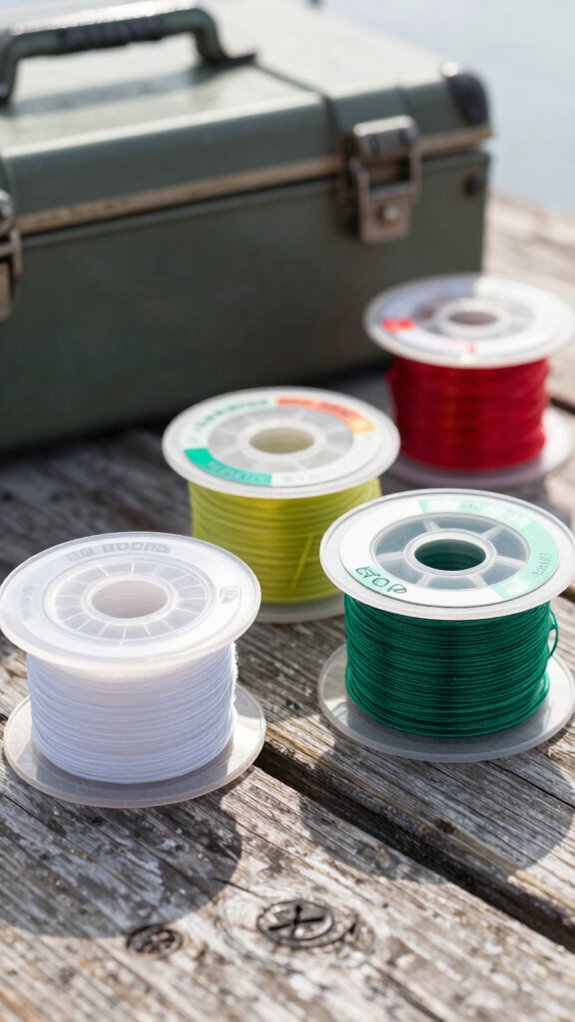
When picking the right line test, I start by matching it to my target species, small trout need lighter 4 lb line, while bass or saltwater bruisers call for 10–50 lb, depending on size and power.
I also factor in water clarity and cover, like sticking to 8–10 lb fluorocarbon in clear water for stealth or bumping up to 15–20 lb braid when fishing heavy weeds or rocks to avoid getting stuck.
And I always check my rod and reel’s line rating, spinning gear usually handles 8–12 lb best, while baitcasters run smoother with 10 lb or more, especially when using strong, thin braid.
target species
While it might seem tricky at first, matching your fishing line’s pound-test to the average weight of your target species is the fastest way to boost your success on the water. Getting this right means balancing line strength with fish behavior and habitat.
Here’s a quick guide:
- Small trout or sunfish (under 1 lb): 4 lb test
- Largemouth bass (2–6 lb avg): 6–8 lb test
- Light saltwater species (like redfish): 12–15 lb test
- Big gamefish (tuna, tarpon): 30–50 lb test
I always start here, then adjust for cover or casting needs. Remember, your line’s pound-test isn’t just about brute strength, it’s about smart matching. Too heavy? You’ll spook fish. Too light? You’ll lose them.
Trust me, dialing in the right line strength for your target species makes all the difference.
water clarity
Honestly, water clarity plays a bigger role in your line choice than most anglers realize, and getting it wrong can cost you bites, even with the perfect lure.
Clear Water? Go Light and Stealthy
In clear water, fish see everything. I stick to 4–8 lb test for trout or panfish, and 8–10 lb for bass.
A thin fluorocarbon leader is a game-changer, it’s nearly invisible underwater, so skittish fish won’t spook.
Stained Water? Step It Up
When the water’s stained or murky, I bump up to 10–15 lb test.
Fish rely more on vibration than sight, so a bit more line strength helps with cover and casting control.
Muddy Water? Go Heavy
In thick, muddy water, I use 15–30+ lb braid.
Visibility’s low, so line thickness matters less, but fighting fish in heavy cover demands strength.
cover type
Your fishing line’s test weight makes or breaks your shot at landing a fish when structure’s involved, choose wrong, and that lunker slips back into the brush.
When tackling heavy cover like fallen trees or thick weeds, line weights need to step up. You’re not just fighting fish, you’re battling snags and needing serious abrasion resistance.
- 6–10 lb mono or 10–15 lb braid for open water or light weeds
- 15–30 lb mono/fluoro or 30–50 lb braid for heavy cover
- Stiffer 15–30 lb fluorocarbon or braid for rocky bottoms
- 30–50+ lb braid for big saltwater predators or tough freshwater species
- 4–8 lb mono or 8–10 lb fluoro for finesse in clear water
Match your line to the cover, and you’ll pull more fish out of hiding, without the heartbreak of a snapped line.
technique used
You match your line test to the technique you’re using, because how you fish often matters just as much as what you’re fishing for.
Match Pound-Test to Your Method
If I’m finesse fishing with small lures in clear water, I go light, 8–10 lb test, often braid or fluorocarbon. It casts smoothly and stays subtle.
But when power fishing with heavy baits, think crankbaits or flipping in thick cover and tactics shift, I bump up to 15–20 lb or more.
I always set drag properly, usually at 20–25% of line strength, so I can land fish bigger than my test suggests. A well‑tuned drag prevents snap‑offs during hard runs.
Light line enhances sensitivity and lure action; heavier line gives control and abrasion resistance. Know your technique, then match pound‑test accordingly, it’s the key to balanced, effective setups.
rod-reel ratings
When it comes to choosing the right fishing line test weight, one of the smartest moves you can make is starting with your rod and reel, because no matter how strong your line is on paper, if it doesn’t match your gear’s design, you’re setting yourself up for poor casts, weak hooksets, or even break‑offs.
Here’s how to get it right:
- Check your rod’s line rating (like “6–12 lb”) and pick a pound‑test within that range so the rod loads properly.
- Always match reel capacity to your line’s diameter, thinner braid lets you spool more, but don’t exceed max ratings.
- Swap line types wisely: 10 lb braid equals 4–6 lb mono in diameter, so stay within your rod and reel’s limits.
- Use heavier pound‑test near the top of the range for thick cover or big fish.
- Lighter test improves casting and sensitivity when finesse fishing, just don’t pair it with heavy lures.
Which line type and test ranges to use?
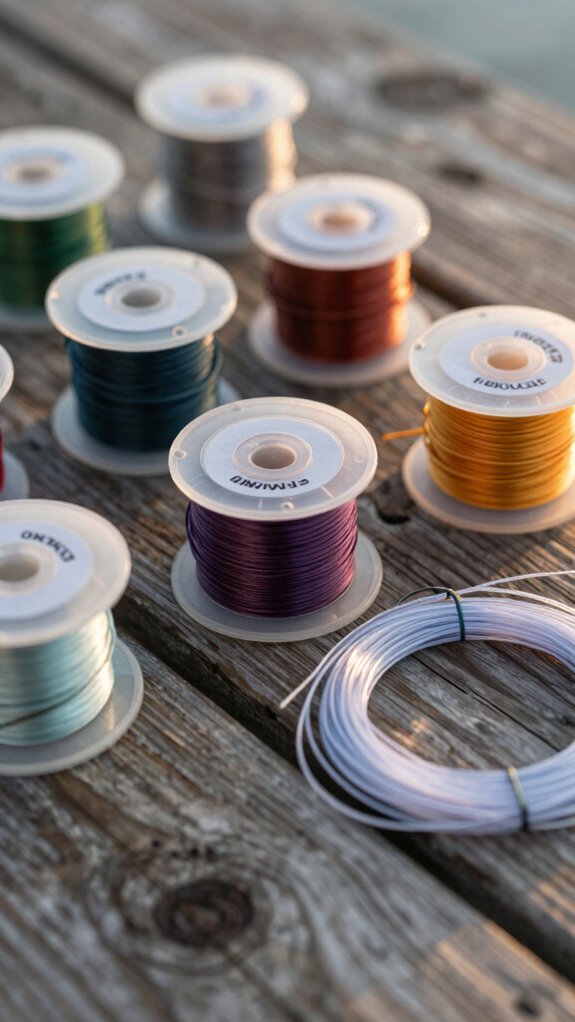
When picking line type and test, I match it to my target species and fishing style, mono, fluoro, or braid each bring something unique to the fight.
I use 8–10 lb mono or fluoro for finesse work where stretch and stealth matter, like with ned rigs or drop shots, but switch to 15 lb braid when I need sensitivity and power for flipping heavy cover.
For bigger fish or rough terrain, I bump up to 20–30 lb test, especially in saltwater where 30–50 lb braid handles abrasion and brute strength better.
mono line
Line choice shapes your success, especially when it comes to monofilament, where stretch, strength, and smart test selection make all the difference in real-world fishing. I rely on monofilament line for its forgiving stretch and versatility, especially when I need cushion during explosive runs or erratic topwater strikes.
Here’s how I pick the right pound-test for mono:
- Use 4 lb for trout and panfish, light enough to cast small lures, yet strong enough to land feisty little guys
- Step up to 6–8 lb for bass and everyday freshwater fishing, it balances casting ease and drag performance
- Choose 10–12 lb for bigger fish or thick cover, where abrasion knocks down effective strength
- In saltwater, go 12–15 lb for redfish or snook, and 17–20+ lb for hard-charging nearshore species
- Always match your rod’s line rating and spool capacity, overfilling hurts casting, underpowering risks break-offs
fluoro line
Because fluorocarbon sinks faster and blends into the water better than mono, I often downsize by one test strength, using 6–8 lb fluoro where I’d run 8–10 lb mono, especially when fish are spooky or the water’s clear.
Fluoro Strengths by Situation
- For finicky trout or sunfish, I go light: 4–6 lb for small fish, 6–8 lb when they’re cautious.
- Bass anglers typically use 12–15 lb fluorocarbon line for baitcasting; I bump to 15–20+ lb in heavy cover or saltwater.
- Since fluoro is stiffer with less stretch, I often step up 1–2 lb in test for hard‑hitting fish.
When pairing braid with a fluoro leader (2–6 ft), I match 8–20 lb test based on needed abrasion resistance. Most pro anglers in Bassmaster surveys prefer this combo, it gives invisibility at the lure and strength through the guides.
braided line
Most of the time, I reach for braided line when I need serious strength, long casts, and maximum sensitivity, especially in tough conditions where every inch of control matters.
For freshwater, I stick with 10–15 lb test braid, 10 lb for finesse and distance, 15 lb when I’m punching through heavy cover. In saltwater or heavy inshore work, I bump up to 30–50 lb test for extra durability.
- Braided line offers thin diameter and high strength, letting me spool more line and cast farther
- A 10–15 lb test braid feels like 10 lb mono but with zero stretch
- I always add a 2–6 ft fluorocarbon leader (8–20 lb) to hide my line and resist abrasion
- Match braid diameter to your reel’s capacity to avoid tangles
- On spinning gear, I use lighter braid; baitcasters get 15–30+ lb for power fishing
Species chart for pound test recommendations
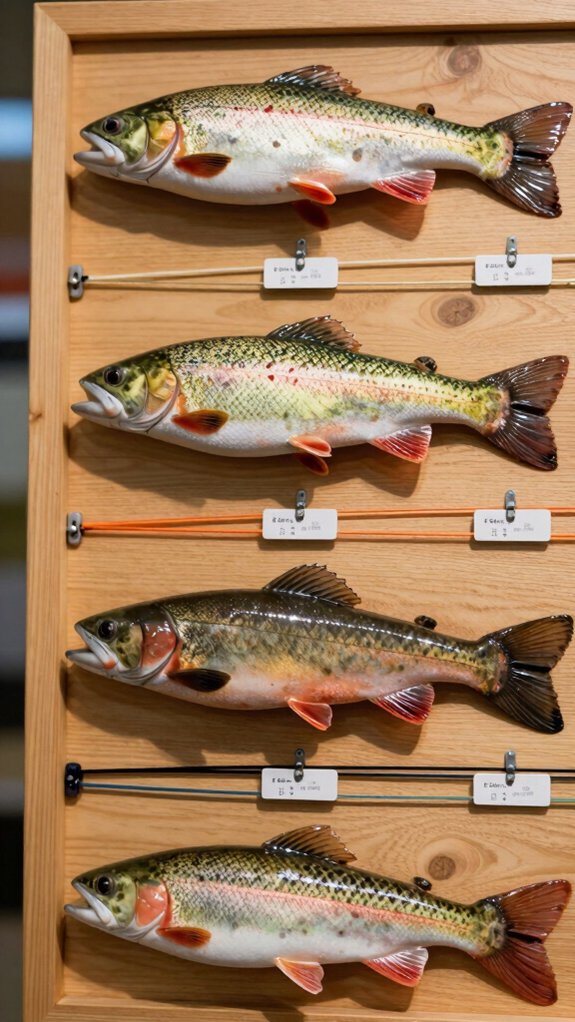
Let’s break down the right pound test for your target species so you’re not left guessing when a big fish makes its move. Matching your line class to the fish you’re after ensures better casts, fewer break‑offs, and more fish in the boat. Whether you’re using monofilament for its stretch or braided lines for sensitivity, the right setup starts with knowing your target.
| Species Group | Recommended Line Test (lb) |
|---|---|
| Trout, Panfish | 4–8 mono |
| Bass | 8–15 braid w/ leader |
| Walleye, Salmon | 8–17 fluoro or mono |
For pike or muskie, go big, 20–50 lb braid with a 40–80 lb wire leader. In saltwater? 10–20 lb braid and a 15–30 lb fluorocarbon leader handle inshore bruisers just fine.
Braided test weights by fishing scenario
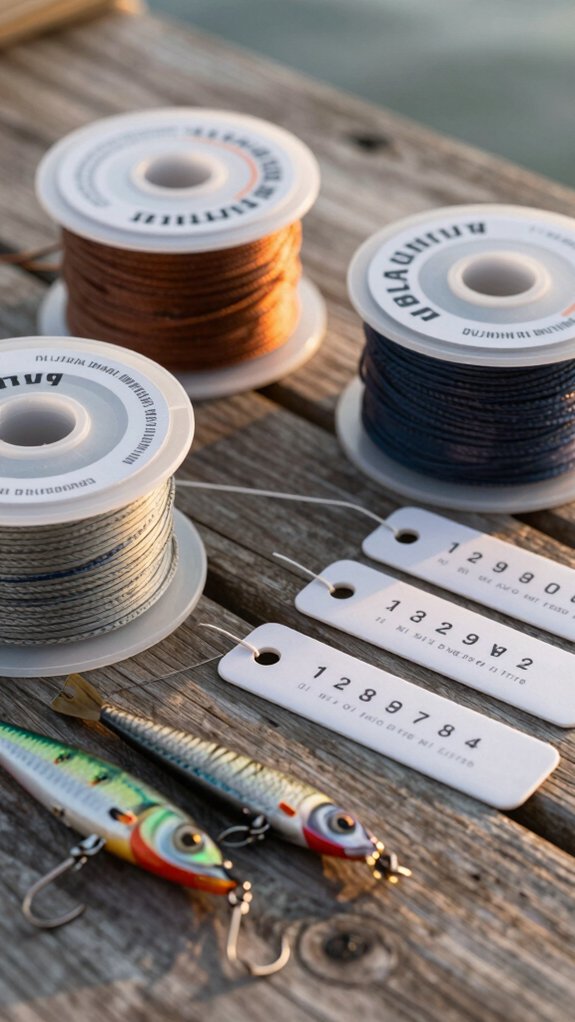
When you’re matching braid to the moment, it’s all about lining up your line’s strength with the situation hand, no guesswork, just smart choices that keep fish coming to the net.
- Freshwater finesse: I reach for a 10–15 lb test braided test line when casting light lures or fishing clear water, thin diameter means longer casts and less visibility.
- Heavy cover work: For big bass in wood or rocks, I bump up to 20–30 lb braided test to win drag wars and slice through snags.
- Inshore saltwater: I spool up 30–50 lb braid, 30 lb for redfish in estuaries, 50 lb for hard-pulling jacks near mangroves.
- Open ocean battles: Targeting tuna or sharks? I go 80 lb+, this stuff stops giants in their tracks.
- Always match gear: I check my rod and reel ratings, then add a 10–20 ft fluorocarbon leader for stealth and abrasion resistance.
Common mistakes picking line test weight
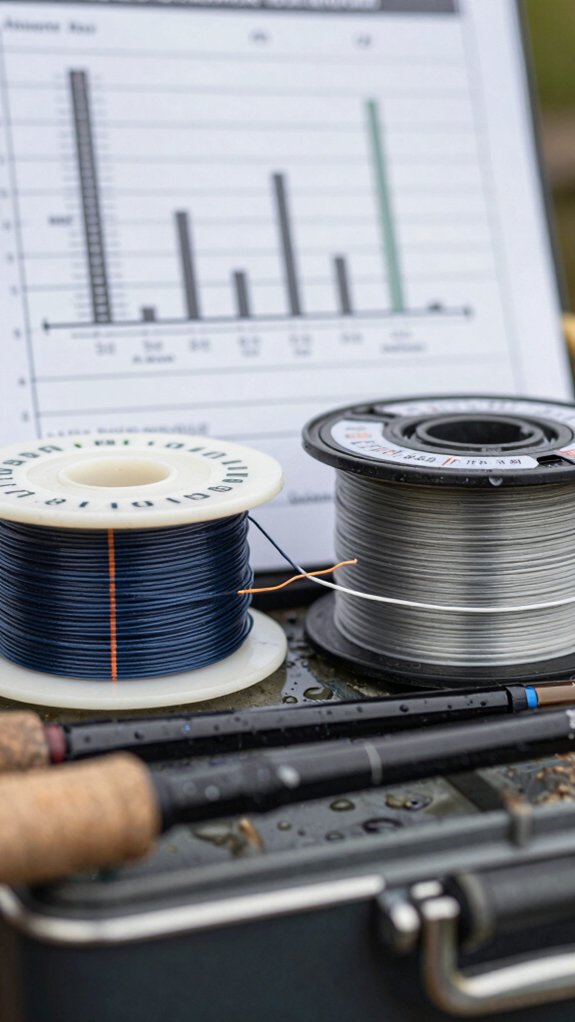
Picking the wrong line test is one of the fastest ways to lose fish, and I’ve learned that the hard way after snapping more than a few promising fights short.
Don’t just guess your line test
Matching line test to average fish weight? Big mistake.
Target bass? Try 6–8 lb mono.
Trout in streams? 4 lb works.
Hauling in tuna? Go 30–50 lb braid.
Respect your rod and reel specifications
Overloading burns rods and reels.
Stay within the line weight and capacity ratings, it’s not just advice, it’s gear survival.
Braided vs monofilament isn’t equal
A 10 lb braid is way thinner than 10 lb mono.
Switching? Match diameter and rod guides, not just strength.
And always tie strong knots, they can cut line strength by 30%, and set your drag right.
Frequently Asked Questions
How to Know What Pound Test Line to Use?
I pick my line’s pound test based on what I’m fishing for and where. I match it to the species, gear, and cover, lighter for finesse, heavier for structure, and always consider line type and knots that weaken strength.
What Is the 80/20 Rule in Fishing?
The 80/20 rule in fishing means I focus on the few things that matter most, like using 12 lb mono or 15 lb braid, so I catch more fish without overcomplicating my gear or wasting time on rare exceptions.
What Is the 90/10 Rule in Fishing?
Better safe than sorry, my 90/10 rule means I pick line test near my rod’s max rating, like 11–12 lb for a 6–12 lb rod, so I’ve got power without risking breakage when a big one fights hard.
What Is a 20 Lb Test Line Good For?
A 20 lb test line’s perfect when I’m targeting big bass, pike, or catfish, or fishing heavy cover. I use it for power, abrasion resistance, and handling large baits without fear of snapping under pressure.
In Conclusion
Your ideal pound-test depends on your target fish and fishing conditions. Did you know? A Bassmaster survey found 68% of pros match line strength to cover density, not just fish size.
I always pick light line for open water, but bump up to 20+ lb braid in weeds or wood. Trust me, balancing rod rating, species, and environment wins more fish. Keep it smart, keep it strong, and let your setup work with the fight, not against it.