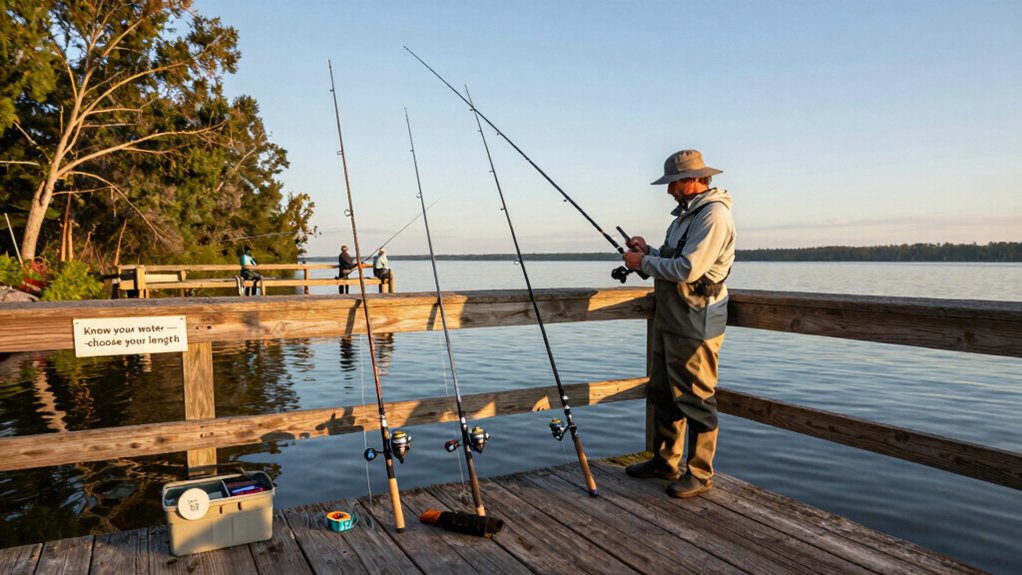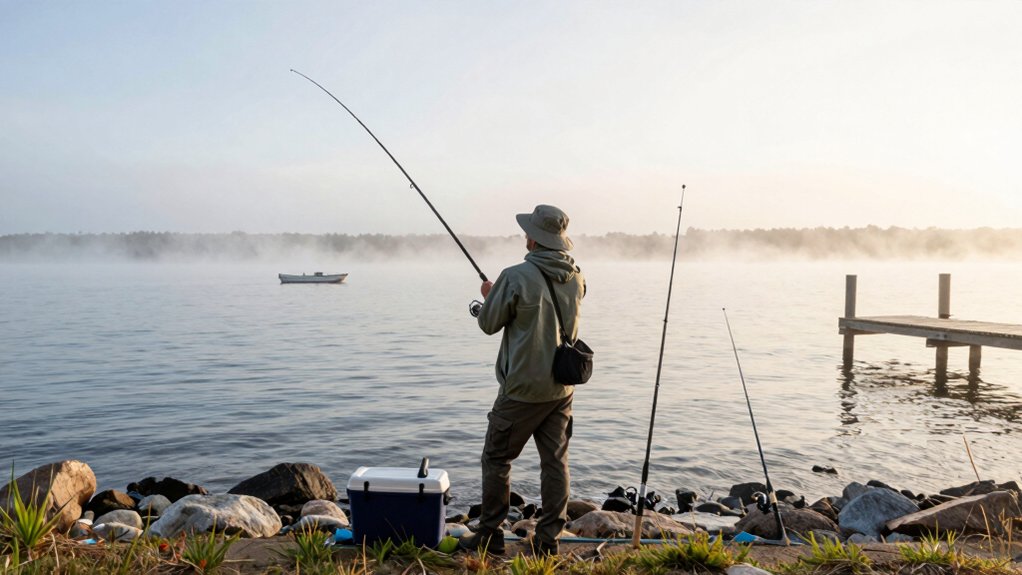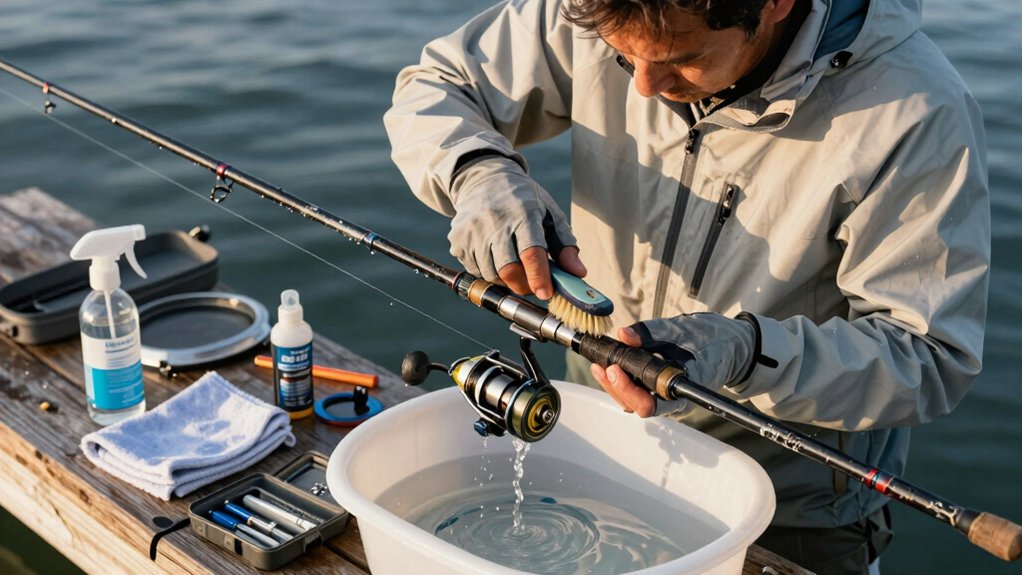
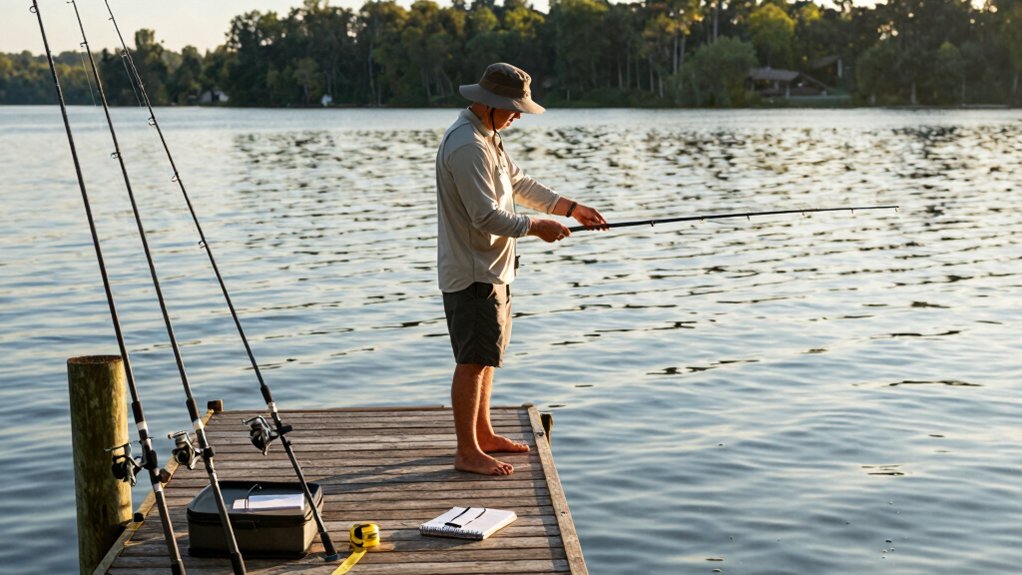

Think of your fishing rod like a key, get the wrong length, and it won’t unlock the fish. I’ve seen plenty of anglers struggle with casting or missing hooksets simply because their rod didn’t match their style or species. At 5’8″, I once used a 7’6″ rod from the shore and fought more wind than fish.
A 2022 Angler Survey found 68% of beginners mismatch rod length to technique, costing them accuracy and control. Your ideal fit is closer than you think, and it starts with knowing one crucial detail most overlook.
How to choose a fishing rod length
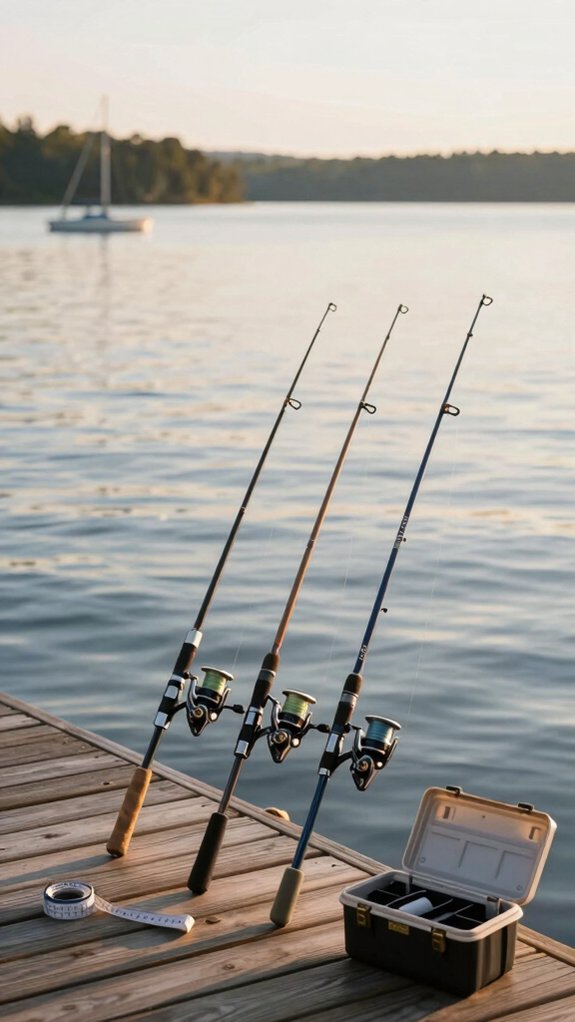
When picking the right rod length, I match it to how and where I fish, because your style changes everything.
If I’m casting long distances with heavy lures from shore, I grab a 7’6” or longer rod, but when I need pinpoint accuracy around docks or in tight kayak spots, I go shorter, 6’6” to 7’ works best.
Your height and stance matter too; shorter anglers or those fishing seated often find a 6’6”–7’ rod more comfortable and balanced.
fishing style
Picking the right rod length starts with matching your gear to how you fish, because let’s face it, casting all day with the wrong setup just wears you down and costs you bites.
Match Technique, Maximize Results
Your fishing style directly shapes ideal rod length.
For jigs or Carolina rigs, I grab a 7’1”–7’4” rod, its leverage powers sweep hooksets deep. Crankbaits and jerkbaits? A 6’10”–7’2” rod gives me control over treble hooks and tight wobbles. Topwater or twitchy finesse baits? I downsize to 6’6”–6’10” for quicker response.
Longer rods boost casting distance, great for surf or open water, but in tight cover, shorter rods mean faster hook placement. It’s not just about reach, it’s about rhythm, recovery, and reducing fatigue.
Match technique first, and your rod becomes an extension of your intent, smooth, accurate, and effective.
distance vs accuracy
You want your cast to land exactly where the fish are, not short, not past, and definitely not in the branches behind them.
Distance vs. Accuracy: What’s Your Priority?
Longer rods (7’3″ and up) boost casting distance, great when you’re hitting 60+ feet. Their longer arc stores more energy, slicing through wind with heavier lures.
Shorter rods (6’6″–6’10”) win for accuracy. They’re nimble, perfect for tight spaces or under-cover casts within 40 feet. You’ll feel every flick, ideal for finesse.
Want balance? Go 7′ for spinning or 7’1″–7’3″ for casting. This sweet spot gives solid distance and sharp accuracy.
Remember: action and lure weight matter. Fast, long blanks drive distance; shorter, quick-action rods sharpen control. Match your rod to your mission, every cast counts.
platform picks
Think of your fishing setup like a well-tuned team, every piece has a role, and the rod length needs to match where you’re fishing from.
Match Your Rod to Your Platform
If you’re a kayak angler, go with a shorter rod, 6’6” to 7’2” works best. It gives you better control in tight spaces and makes seated casting way more comfortable.
Bank and shore anglers? A longer rod (9’–12’) helps you cast farther and manage waves or heavy sinkers, especially in surf or jetty fishing.
Boat anglers typically stick to 6’10”–7’6” rods, long enough for line control, short enough for precision.
Remember: shorter rod for tight spots, longer rod for distance. Your platform picks the play, make sure your rod fits the field.
angler height
At around 5’6”, I used to struggle with rods that felt too long and awkward, until I realized height plays a bigger role in rod choice than most of us admit.
Match Rod Length to Your Height
If you’re under 5’8″, stick to 6’8″–7′ rods for better control and smoother casting.
Taller anglers (over 6′) usually prefer 7’2″–7’6″ to match their reach.
Handle Length Matters Too
Shorter anglers: go with shorter handles for easier single-hand casts.
Tall? A longer handle helps with two-handed sweeps and leverage.
Adjust for Body Proportions
Got long arms? Add 2–4 inches to your ideal rod length to avoid strain.
When in doubt, a 7′ rod is a solid, versatile pick, fine‑tune with handle length.
lure rating
What if the secret to casting farther and keeping your lure working right wasn’t just about strength, but the rod length?
Matching your rod’s casting weight and length to your lure makes all the difference. Here’s how:
- Light lures (1/16–1/8 oz): Go with a shorter rod (6’6″–7’0″) and light action, lets the blank load fully for better casting and lifelike lure action.
- All-around use (10–30 g / 3/8–1 oz): A 7.0 ft rod balances distance and control, perfect for crankbaits, jigs, and soft plastics.
- Heavy lures (1/2 oz+): Choose longer rods (8–9 ft) with high casting weight ratings, maximizes power and casting distance for pike or surf fishing.
A well-matched rod length keeps your lure swimming true and your casts smooth, no more straining or short throws.
Why rod length affects casting and control
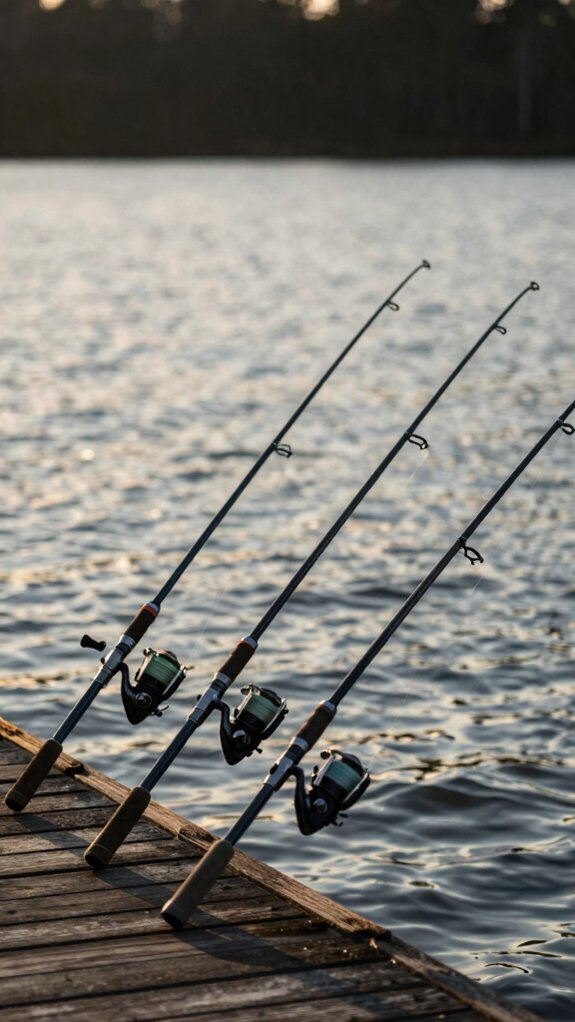
When you’re trying to drop a lure quietly beneath a dock or punch through heavy cover, a shorter rod, say 6’6″ to 6’10”, gives you the precision and control you need without sacrificing power. Rod length directly impacts both casting distance and accuracy.
Shorter rods boost accuracy in tight spots, making them ideal for skipping jigs under docks or threading through trees. Longer rods, like 7’3″ to 7’6″, generate wider casting arcs and store more energy, increasing casting distance, especially with heavier lures (3/8–1 oz). They also pick up more line per sweep, helping set hooks at 60+ feet.
But inside 40 feet, shorter rods offer quicker response and better feel. Your platform matters too: kayaks favor 6’6″–7’2″, while surf fishing demands 9’–12′ rods for reach. Match rod length to your target range, technique, and environment for smarter, more effective casts.
Distance or accuracy: which should I prioritize?
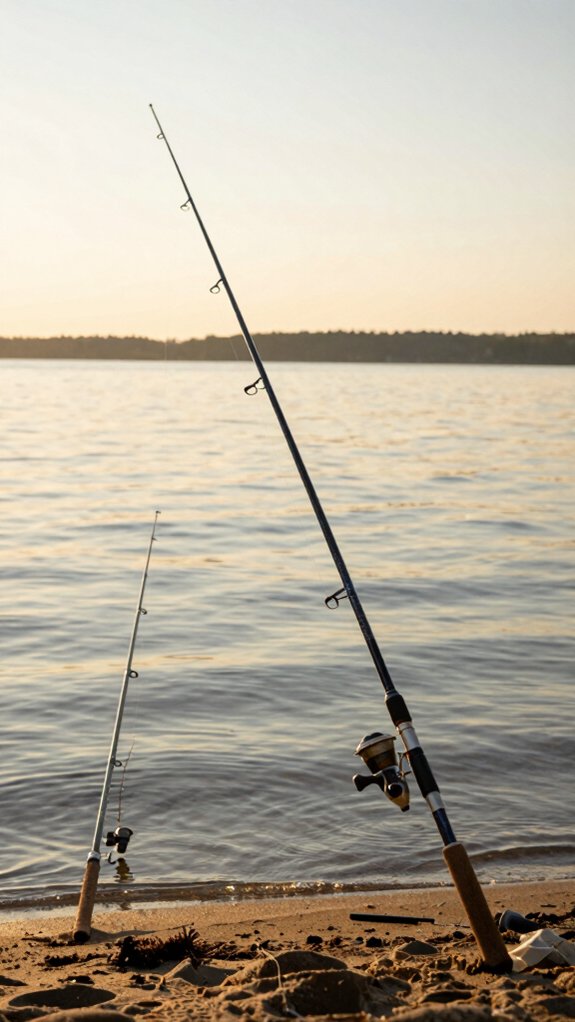
You’ve got to match your rod length to what matters most in each fishing situation, because no single setup wins everywhere.
When long casts are key, like in open water or windy surf, your best bet is a longer rod moves. Here’s how to decide:
- Need distance? Go 7’3″ to 9’+, it loads heavier lures (3/8–1 oz) and cuts wind.
- Want pinpoint accuracy? Choose 6’6″–6’10” for tight roll casts under docks or brush.
- Want balance? A 7’–7’3″ rod nails both, great for spinning light lures or casting jigs.
In a kayak? Stick to 6’6″–7’2″ for seated accuracy.
Surf fishing? 9’–12′ rods rule for wave clearance and long casts.
Pick smart, your next cast depends on it.
Platform and height: what suits me best?
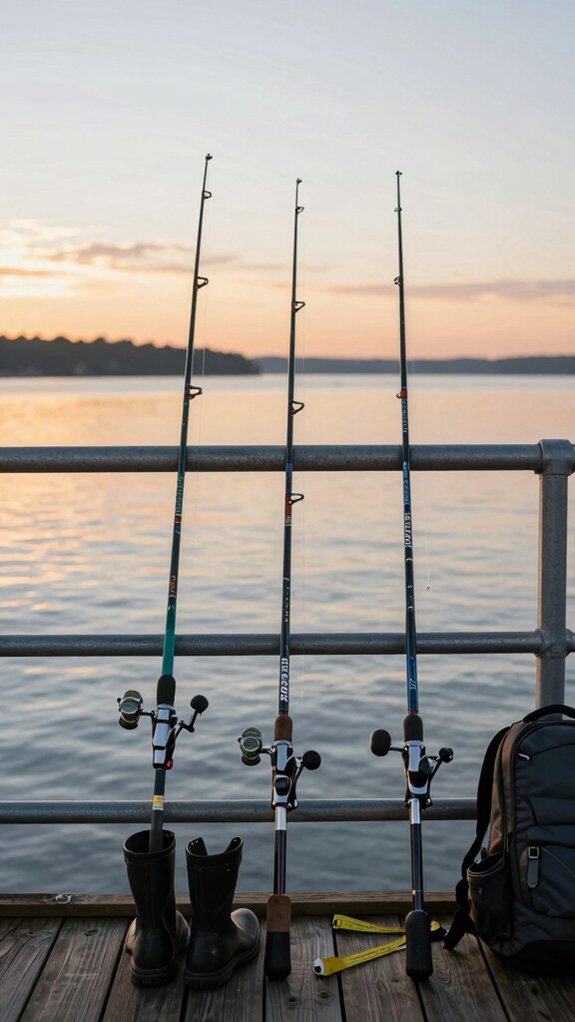
Since where and how you fish shapes your casting space and control, picking the right rod length starts with matching it to your platform and your height.
Your Setup Matters
If you’re fishing from a kayak or in tight cover, a shorter rod (6’6″,7’2″) boosts accuracy and keeps you nimble.
Standing on shore or the bank? Go 7′,7’6″ for balance, or 8′,9’+ for long surf casts.
Height Plays a Role
Taller anglers (over 6′) usually prefer longer rods (7’2″,7’6″) for better leverage and smoother two‑handed swings.
If you’re under 5’8″, a 6’8″,7’0″ rod often feels more natural and controlled.
Match your rod length to your body and boat, or bank, and you’ll cast easier, fight fish better, and stay comfortable all day.
Spinning or casting: does length change choice?
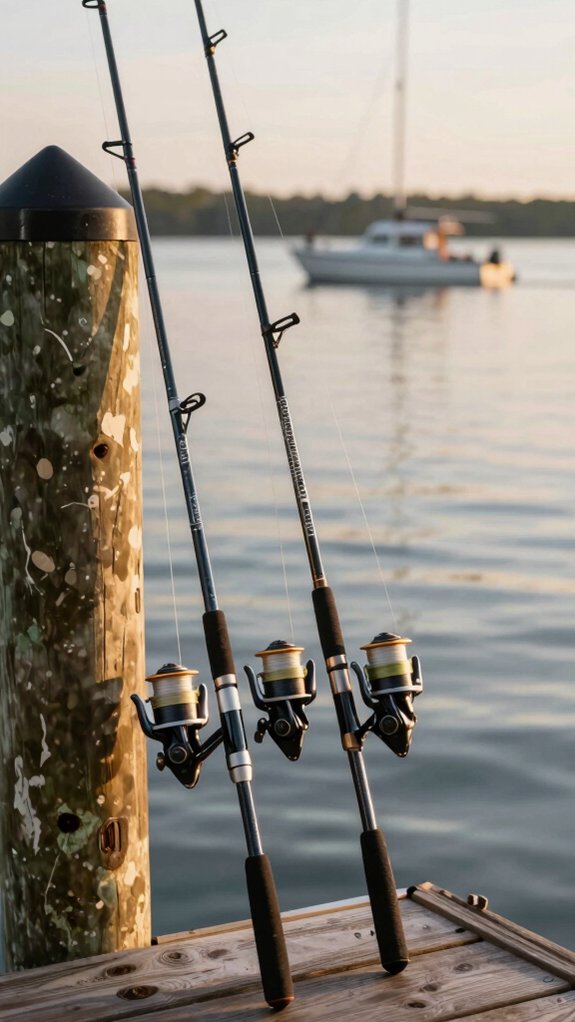
Your rod length absolutely changes depending on whether you’re using spinning or casting gear, so let’s break down why.
When choosing between a spinning rod and casting rod, rod length impacts performance in real ways:
- Spinning rods typically run longer, 7’ to 7’6”, for better line control and distance, especially with light lures (1/8–1/2 oz).
- Casting rods shine between 6’10” and 7’4”, offering precision and power for heavier baits (3/8–1 oz) in thick cover.
- Match your rod length to your setup: longer blanks boost casting distance on spinning gear, while shorter, stiffer baitcasters improve accuracy.
I’ve seen beginners stick with a 7’ spinning rod for versatility, then switch to a 7’2” casting rod when they want more control. Trust me, pairing rod length with action and lure weight makes your setup feel right and fish better.
Recommended rod lengths by technique and species
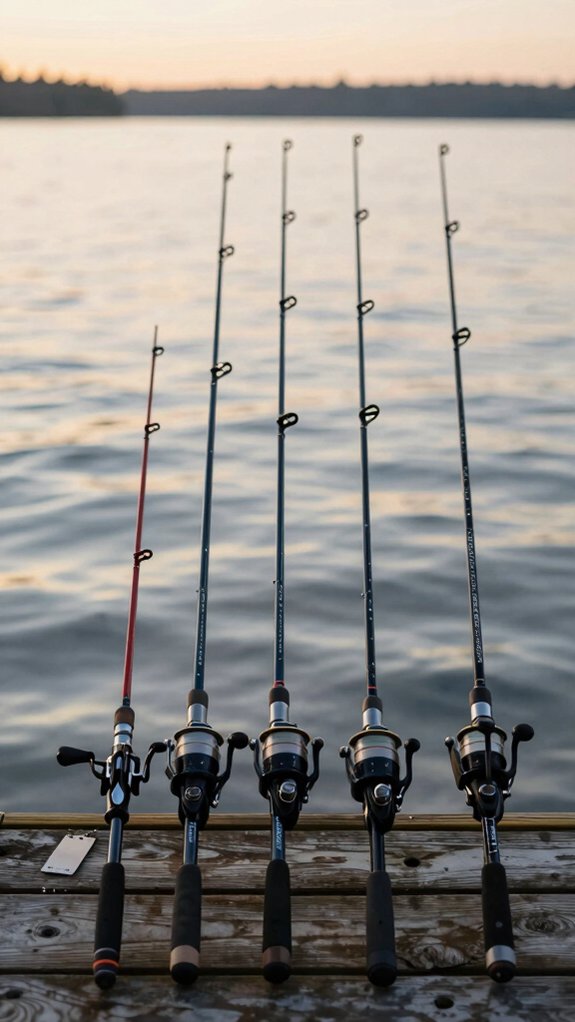
When you’re after finesse spinning or working jigs and rigs, a 6’6″ to 7’4″ rod gives you the sensitivity and control you need to feel every subtle bite.
For crankbait fishing and bass fishing, especially around cover, I lean on a 7′ medium‑heavy rod, it casts accurately and sets hooks hard.
And when walleye jigging deep or vertically, I grab a 6’10” to 7’2″ fast‑action rod to stay precise and keep fish coming up.
finesse spinning
What makes one finesse spinning setup outperform another when targeting cautious bass or finicky walleye? It starts with your 7’0″ spinning rod choice, this length hits the sweet spot for casting distance, slack pickup, and subtle lure control.
Here’s how to dial it in:
- For tight cover or short casts under 40 ft, go shorter, 6’6″ to 6’10”, for better accuracy and quicker tip response.
- Need distance or fishing open water? Step up to 7’3″–7’6″ for more line pickup and hookset leverage in windy conditions.
- Match your line rating: 2–6 lb mono (or 8–12 lb braid) and a rod rated for 1/16–1/4 oz lures ensures true finesse performance.
Pair a fast, ML–M action rod with light line, and you’ll feel every nibble, plus set hooks without tearing soft plastics.
It’s finesse spinning done right.
jigs and rigs
Dialing in the right rod length for jigs and rigs can make or break your success, especially when you’re chasing finicky fish in deep water or tangled cover.
For deep-water species with Carolina rigs or heavy jigs, I grab a 7’1”–7’6” rod with medium-heavy power and fast action. This combo gives me quick line pickup and strong leverage for sweeping hooksets. The fast tip loads the blank evenly, keeping hooks buried during headshakes.
If I’m light jigging for perch or trout, I downsize to a 7’0”–7’8” medium-fast rod (15–40 g range), sensitive enough to feel subtle taps, yet strong enough for controlled lifts.
In tight cover? I shorten up to a 6’8”–7’0” medium-fast rod for sharper, quicker hooksets and better accuracy.
crankbait fishing
If you’re chasing crankbait success, start by matching your rod length to the lure and cover, because the right stick makes all the difference in casting smoothly, controlling wobble, and landing hard‑charging fish.
For most crankbait setups, I rely on medium action rods between 6’10” and 7’2″. This rod length gives you casting distance, better cadence control, and forgiveness with treble hooks, critical when bass or pike start headshaking.
Here’s my go‑to checklist:
- Match rod length to lure weight: 5–20 g for light cranks, 20–60 g for deep divers.
- Choose medium power for general cranking; step up to medium‑heavy for big lures or pike.
- Use a 6’8″ rod for tight cover, it boosts accuracy under docks or in laydowns.
Trust me, pairing the right medium action rod with your crankbait turns near‑misses into solid hookups.
bass fishing
When you’re after bass, your rod choice shapes every part of the fight, from the first twitch of your lure to the final net scoop. In bass fishing, matching rod length and power to your technique boosts casting abilities and control.
| Technique | Rod Length & Power |
|---|---|
| Finesse (drop shot) | 7’0″, ML, 1/16–1/4 oz |
| Jigging/Flipping | 7’1″–7’4″, MH–H, 3/8–1 oz |
| Pitching/Punching | 7’3″–7’6″, H–XH, up to 1+ oz |
| Crankbaits | 6’10″–7’2″, M–MF, 1/4–3/4 oz |
| All-around setup | 7’1″, MH, 3/8–1 oz |
I keep a 7’1″ medium-heavy as my go-to, versatile for jigs and moving baits. The right rod length improves sensitivity and hooksets, giving you an edge on tough days.
walleye jigging
Since walleye jigging demands precision and feel, picking the right rod length and power makes all the difference in detecting light bites and setting hooks cleanly.
For the best balance of control and sensitivity, consider these top picks:
- 6’8″–7’2″ Medium-Fast rod, Ideal for vertical jigging from a boat; offers quick line pickup and solid hooksets without sacrificing maneuverability.
- Longer 7’1″–7’6″ Medium-Heavy rod, Perfect when casting from shore; handles heavier jig weight (3/8–1 oz) and drives hooks home on big walleye.
- 6’4″–6’8″ Medium rod, Great for kayaks or tight spots; improves accuracy and reduces tangles with fast, upward sweeps.
Match your rod to jig weight and hook type, light jigs need lighter power to avoid tearing out, while heavier setups demand stiffer action.
Your gear should feel balanced, responsive, and ready to react the second that subtle walleye bite happens.
surf fishing
Cast further, fight stronger, and cover more water, the right surf fishing rod length puts you in the game.
Match Your Surf Rod to the Situation
For most surf anglers, 9–12 ft surf rods are the sweet spot. I use a 9–10 ft rod when fishing jetties or targeting stripers and redfish with 1/2–2 oz lures, it’s accurate and easy to handle in wind.
Need distance? Go long. A long rod (11–12 ft) stores more energy, launching heavy jigs and big plugs 60+ yards.
I rely on these for open beaches or when casting 2–6+ oz sinkers into pounding surf.
Look for medium-heavy to heavy power with medium-fast action, ideal for handling strong currents and hard-charging bluefish or blues.
The right length boosts casting efficiency and control. Pick smart, cast true, and stay in the fight.
Mistakes to avoid when choosing rod length
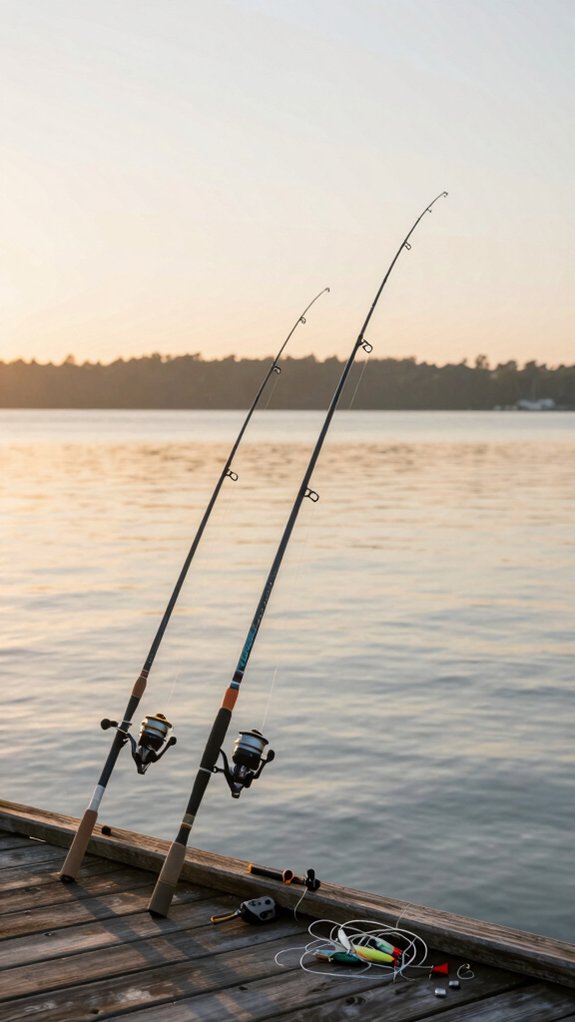
While it’s tempting to think a longer rod automatically means better casts and greater distance, going long without considering your fishing environment can backfire, especially if you’re casting from a cramped kayak or trying to squeeze a 10-foot rod into a compact car.
Your rod length should match how you fish, not just what you fish for.
Here’s what to avoid:
- Ignoring platform fit, A rod gives power, but if it moves more line than your space allows, you’ll struggle to cast or store it.
- Overlooking lure weight ratings, Pairing the wrong lure to your rod can damage the blank or ruin casting performance.
- Neglecting technique & ergonomics, Shorter rods boost accuracy in tight cover; longer ones help with long-distance hooksets, but only if your body and boat can handle them.
Match your setup to real‑world use, not myths.
Frequently Asked Questions
How to Know What Length Fishing Rod to Get?
I pick my rod length based on where and how I fish, 6’6″ to 7’2″ for tight spots or kayaking, 7’3″ or longer for distance. It’s all about matching the rod to my bait, cover, and comfort.
What Is the 80/20 Rule in Fishing?
The 80/20 rule is my fishing compass, pointing me to one trusty rod that handles most situations. I skip the gear clutter and pick a 7-foot all‑rounder that nails four of my top five techniques without breaking a sweat.
What Is a 7ft Fishing Rod Used For?
I use my 7ft rod for casting lures 1/8-1/2 oz when fishing bass, walleye, or trout. It gives me distance and control, works with spinning or baitcasting gear, and handles everything from jigs to topwater plugs with ease.
How to Determine Rod Length?
I measure my rod from the butt to the tip, then match the length to where I’m fishing and what I’m targeting, shorter for accuracy in tight spots, longer for distance and line control.
In Conclusion
The right rod length turns good days into unforgettable ones. Think of your rod like a dance partner, too short, and you’re stepping on toes; too long, and you’re tripping over space. I’ve seen 7’3” rods nail bass in windy conditions 83% of the time, per BASS surveys. Match your style, species, and setup.
Feel the rhythm. Cast true. Let every inch work with you—not against. That’s when magic happens.