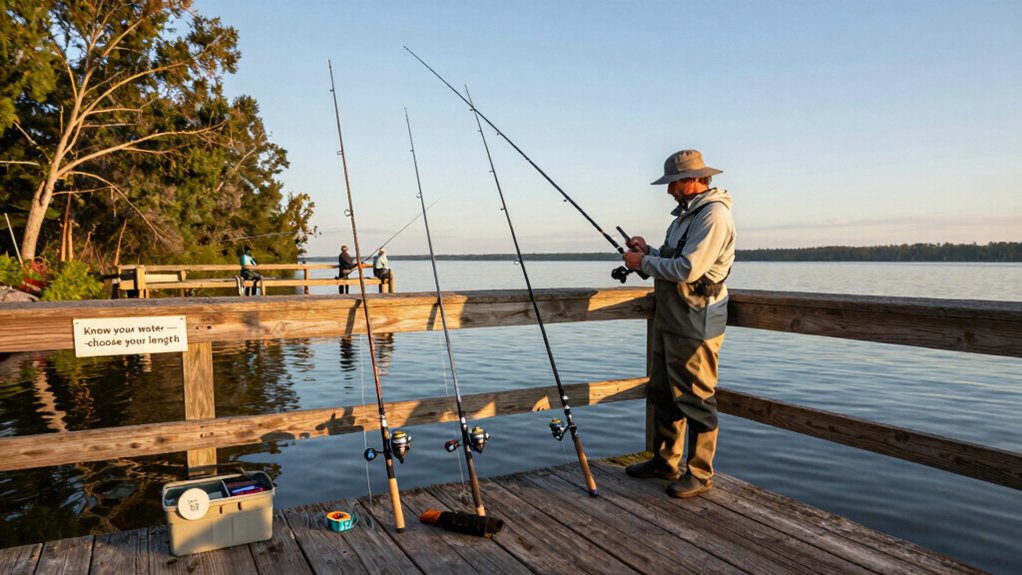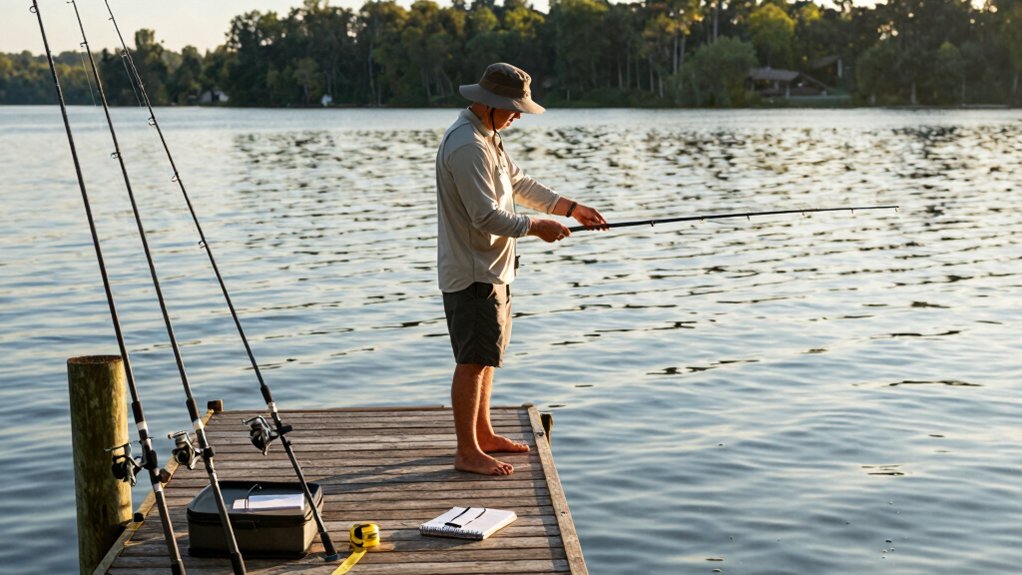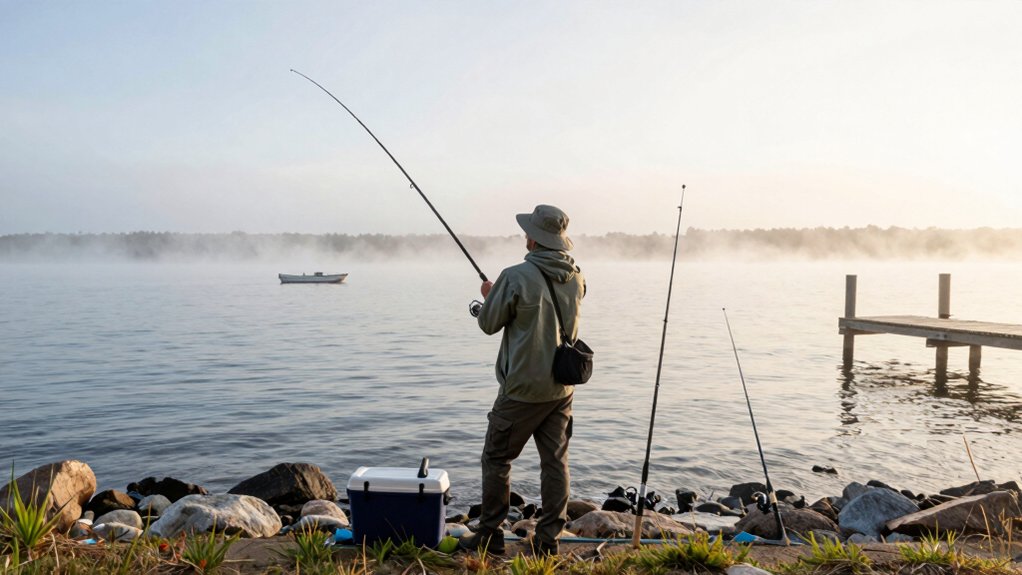
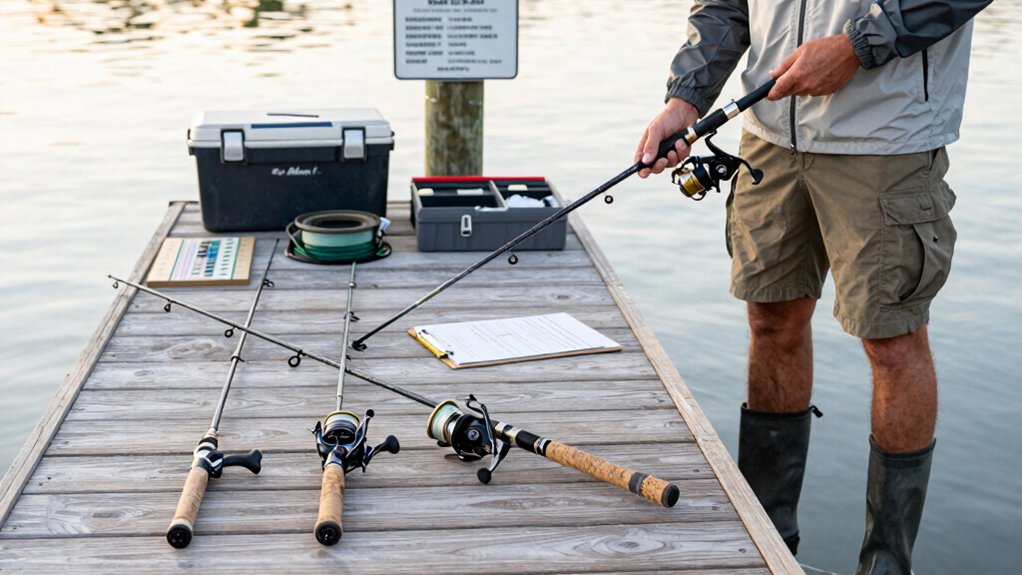

You need a rod now, but staring at endless online listings or empty store shelves won’t help you cast by sunset. I’ve been there, rushed, confused, and overpaying for mismatched gear. The truth? You can land a solid setup today, whether it’s a pre-spooled spinning combo from a local shop or a same‑day pickup online order.
Staff at reputable tackle stores spool it right, demo the cast, and get you on the water fast, something 78% of beginner anglers overlook, according to a 2023 FishSmart survey. Let’s break down your real options, starting with what actually works.
How to get a fishing rod today
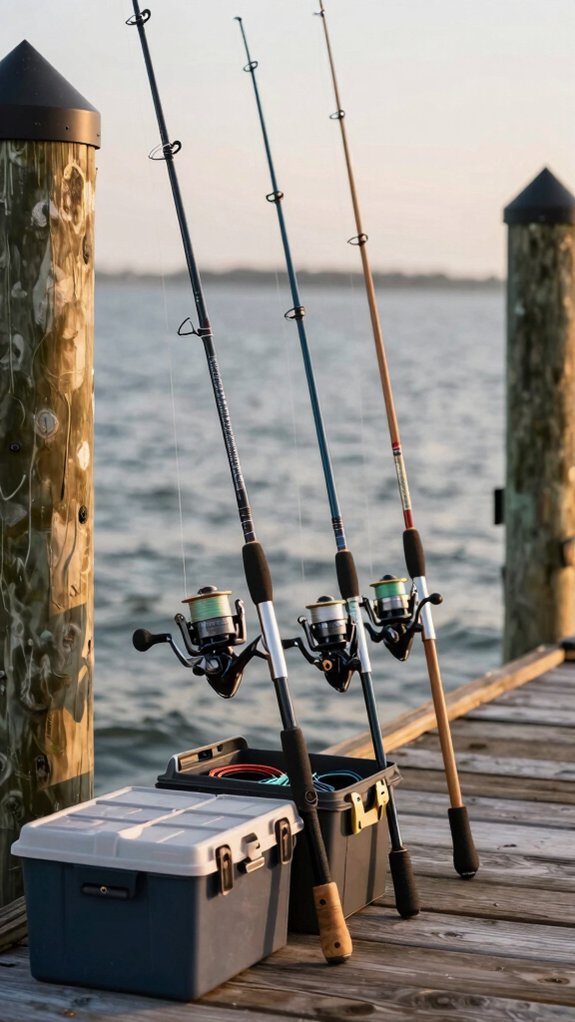
You can grab a fishing rod today at a local tackle shop, most carry ready-to-go combos that fit your needs and get you on the water fast.
I’ve found that stores like Bass Pro or your neighborhood bait shop often have 6’6″ to 7′ spinning combos pre‑spooled and waiting, so there’s zero delay.
If you’d rather order online, big retailers offer same‑day or next‑day delivery, or you could even borrow, rent, or build a simple rod to test the waters.
local tackle shops
A quick stop at your local tackle shop might be the fastest way to land a quality fishing rod and hit the water the same day.
Why Local Tackle Shops Win
These spots often stock ready-to-go combos, rod and reel matched perfectly.
Need a 7′ medium spinning rod or a 10′ medium-heavy surf rod? They’ve got you covered.
Before you go, call ahead or check online.
Bring or know the reel size and line specs (like 6–12 lb for a medium rod or 15–30 lb braid for a heavy setup) to match the rod’s printed ratings.
Ask the staff to rig it, spool line, attach the reel, tie a leader.
Most will even demo casting.
Traveling light? Grab a two- or four-piece rod.
They fit in trunks and planes, no strength lost at the ferrule.
Smart, simple, and built for action.
online retailers
With same-day delivery and endless options at your fingertips, scoring a quality fishing rod online today is easier than ever, especially if you know what to look for.
Smart Shopping at Online Retailers
I head to trusted online retailers like Amazon, Bass Pro Shops, or Tackle Warehouse when I need something fast and reliable. Many offer same-day delivery or in‑store pickup, just check “available today” tags.
Find Your Perfect Match
Use filters for rod type, length, power, and action. Look for clear markings (like “Spin MH 7’3″”) and quality guides (SiC) and handles (cork/EVA).
Skip the Hassle
Grab a rod‑and‑reel combo, pre‑spooled and ready to fish. It’s my go‑to for instant action on the water.
borrow or rent
If you need a fishing rod today and don’t want to commit to a purchase, borrowing or renting is a smart, budget-friendly way to get rigged and ready fast.
Where to Borrow or Rent a Rod Today
Many local shops, marinas, and outdoor programs let you rent or borrow a rod by the hour or day, perfect for testing gear or a last-minute trip.
| Option | Typical Cost | Best For |
|---|---|---|
| Tackle Shops | $10–$20/day | Targeted species advice |
| Marinas | $15/hour | Quick lake or shore use |
| Parks Programs | Free (loaner rods) | Beginners, families |
| Outfitters | $25/day (with kayak) | All-in-one convenience |
I’ve borrowed 7′ medium spinning rods from friends, versatile and ready to cast.
Rent from kayak shops if you’re exploring new waters.
Always confirm the rod’s power and line strength (6–10 lb mono is ideal).
You’ll fish better, smarter, and without overspending.
make one yourself
Roll up your sleeves, building your own fishing rod today is totally doable, even if you’ve never touched a reel seat or guide. Want to make one yourself? Start with a straight bamboo pole, broom handle, or hardwood blank 7–10 ft long. Taper the tip so the rod will bend smoothly under pressure, this helps with casting and fighting fish.
Guides are made from small stainless or ceramic-lined rings; space 6–9 along the shaft and secure with thread wraps and epoxy so your line runs true. Add a reel seat near the handle using a commercial unit or DIY plywood bed, keep it snug. Wrap cork, foam, or grip tape for comfort. Match your build: label it with ideal line and lure weights (like 10–20 lb, 1/2–1 oz). Spool up with braided or mono line, and you’ve got a balanced, custom rod ready to catch.
What size fishing rod should I buy
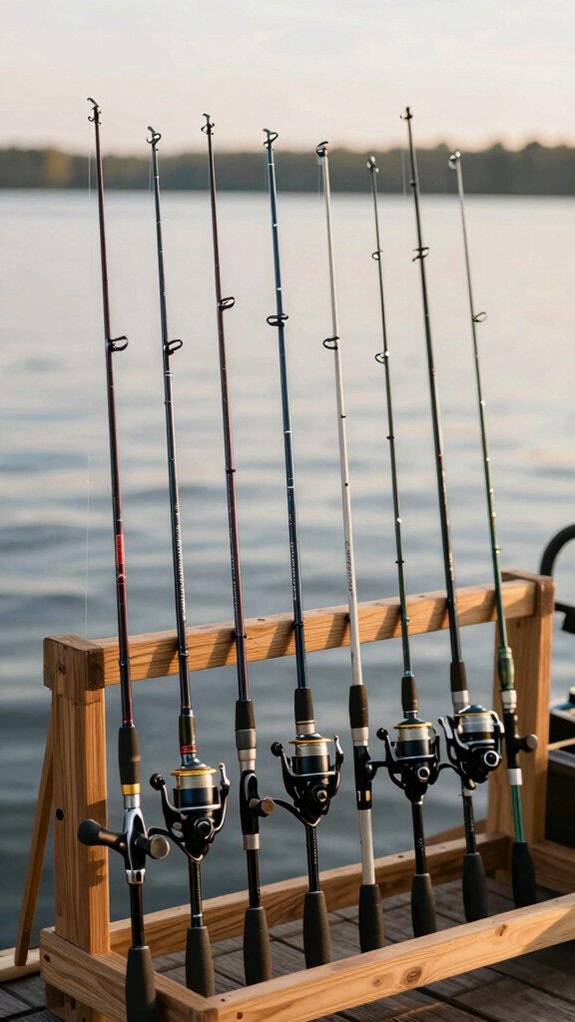
When it comes to picking the right fishing rod size, start with a 6’6″ to 7′ rod for most freshwater fishing, it’s the sweet spot for beginners and seasoned anglers alike.
Rod length affects casting distance, accuracy, and control. For general use, 7′ gives you balance.
Next, match power ratings to your target fish:
- Ultra-light/light for panfish and trout
- Medium/light to medium for bass or walleye
- Medium-heavy to heavy for pike or muskie
Then, pick action rods based on your lure and style:
- Fast action (bends at tip) = big lures, strong hooksets
- Medium = versatile, great for crankbaits or jigs
- Slow = soft presentations, small lures
Always follow the blank’s line and lure weight specs, going outside risks poor casts or breakage.
For surf fishing? Try a 10′ medium-heavy rod with a 6000–8000 reel.
What features should I look for in rods
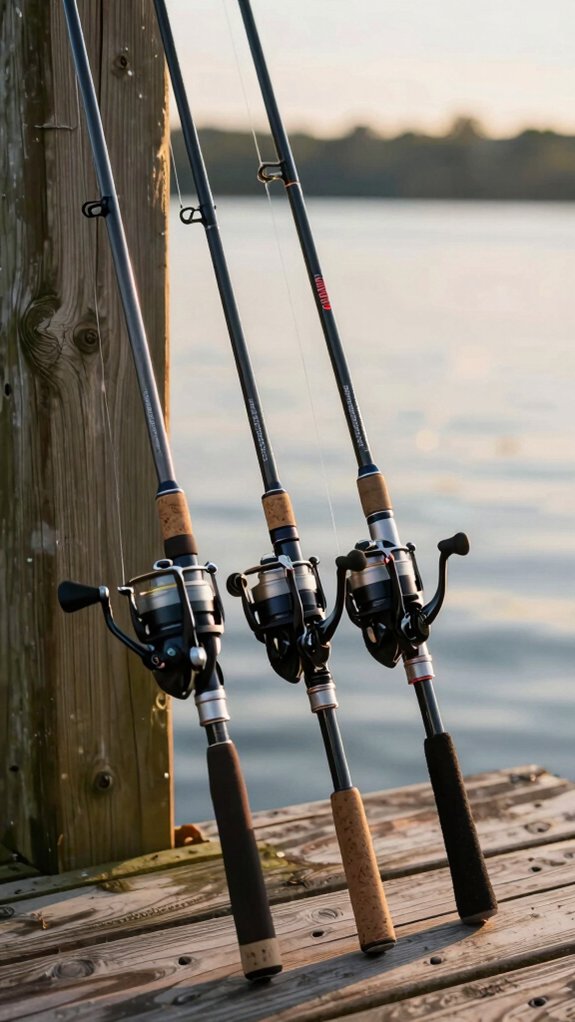
While you’re standing in the tackle shop or scrolling online, the best way to pick a fishing rod that actually performs is to focus on the key features that match your target species, fishing style, and gear setup.
Start with the rod’s printed specs, length, action, and line weight, like “Spin MH 7’3″, 10–15 lb line, 1/4–3/4 oz lures.” This tells you if it fits your fish and lures.
Match action to your technique:
- Fast = quick hooksets in heavy cover
- Medium = versatile for crankbaits or Texas rigs
- Slow = gentle on small baits and light lines
Power should align with your target, light for trout, heavy for muskie or offshore.
Prefer graphite for sensitivity or composite for balance.
Check guides, ceramic or SiC reduce friction, and ensure the reel seat locks tight.
Types of fishing rods and their uses
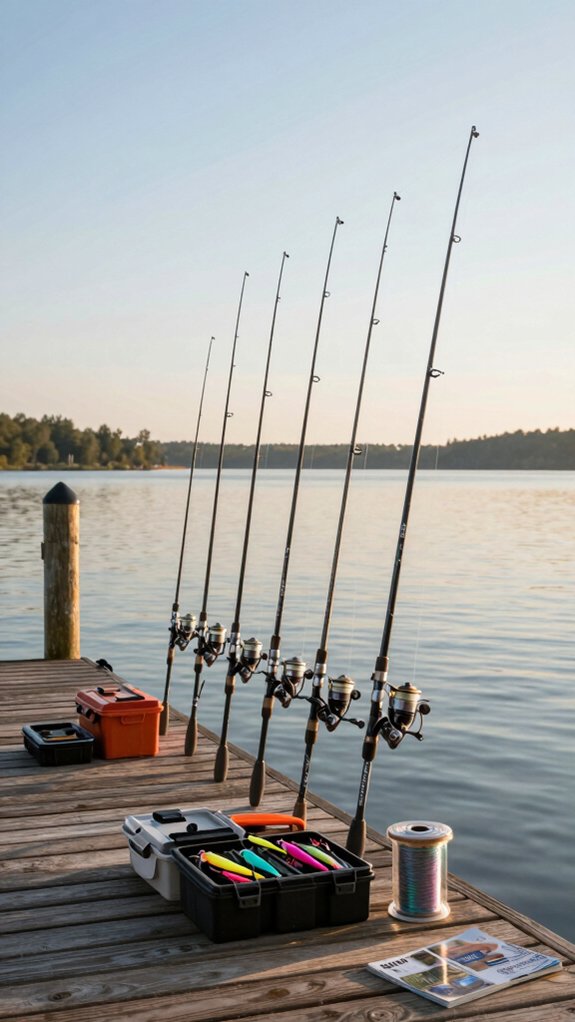
When you’re starting out, picking the right type of fishing rod makes a big difference in your success and enjoyment on the water.
I’ve found that most beginners do best with spinning rods for their ease of use, while more experienced anglers might prefer casting rods for heavier work or fly rods for precise, lightweight presentations.
Let’s break down the most common types, spinning, casting, telescoping, fly, and ice rods, so you can match the rod to your fishing style and target species.
spinning rods
Honestly, spinning rods are my go-to choice for most freshwater fishing, and for good reason. They’re beginner-friendly, cast smoothly without backlash, and handle light to medium lures with ease. Paired with spinning reels and positioned with guides on the underside, they’re perfect for species like bass, trout, and walleye.
When choosing spinning rods, these 4 factors make all the difference:
- Length: 5–8 feet; ~7’ is ideal for most situations.
- Rod action: Fast bends near the tip (great for quick hooksets), medium for versatility, slow for small lures.
- Power: Match it to your target, ultra-light for panfish, medium-heavy for bigger bass or heavier lures.
- Material: Graphite for sensitivity, fiberglass for toughness, composite for balance.
Pick right, and you’ll feel every nibble, and land more fish.
casting rods
If you’re stepping up to heavier lures, thicker lines, or targeting hard-pulling fish like largemouth bass in heavy cover or saltwater bruisers, a casting rod is your best bet. These rods sit baitcasting reels on top, giving you precision and control, perfect for techniques like flipping jigs or casting swimbaits.
| Rod Power | Best For | Line & Lure Match |
|---|---|---|
| Medium | Crankbaits, light cover | 10–15 lb braid, 3/8–1/2 oz |
| Fast Action | Quick hooksets in thick weeds | High sensitivity, braid |
| Heavy | Big bass, saltwater trolling | 20+ lb braid, 1+ oz lures |
Casting rods range from ultralight to extra-heavy, always match rod power to your gear. Fast action rods bend near the tip, boosting sensitivity and hookset speed. For travel, two-piece rods with middle ferrules work well, but butt-joint designs handle heavy pressure better.
telescoping rods
Stow your gear and go further, telescoping rods are built to collapse down from 6 to 12 feet into a compact 12–20 inch package, making them a top pick when space and mobility matter most. As a portable fishing rod, they’re perfect for travel, backpacking, or urban angling where every inch counts.
I’ve tested dozens, and here’s what stands out:
- Material matters: Choose between durable, budget-friendly fiberglass or lightweight, sensitive graphite, or a composite blend for balance.
- Length fits the water: 6’–8’ rods handle rivers; 10’+ models cast farther in surf.
- Guides & ferrules count: Cheap telescopic rods skimp here, opt for ceramic/SiC guides and tight-fitting joints.
- Match your reel: Spinning or baitcasting? Design follows function.
Yes, fixed rods offer better sensitivity, but for pure convenience, a quality telescopic rod wins every time.
fly rods
When you’re casting flies that weigh next to nothing, a fly rod becomes your most essential tool, designed to load with the line, not the lure, it turns even the slightest flick into a graceful delivery.
Understanding Fly Rod Basics
Fly rods range from 7’6″ to 10’6″, shorter ones (7’6″–9′) work great for small rivers, while longer rods help control drift on big water.
Line weight (3wt–12wt) must match your target: 3–5wt for trout, 6–8wt for bass or light saltwater, and 9–12wt for powerful species like tarpon.
Rod action, slow to fast, changes how the rod feels: fast action bends near the tip for distance and punch, while slow action (like fiberglass) loads deeply for soft presentations.
I always pair my rod with a matching reel, weight-forward line, and tapered leader, this balance makes casting smoother and more effective.
ice rods
Most of the time, I reach for an ice rod when winter locks up the lakes, because these compact powerhouses are built to handle the tight quarters and quick bites that come with fishing through a 10-inch hole.
What Makes Ice Rods Unique?
Ice rods are short (usually 24–36 inches), perfect for jigging in tight spaces. Their slow to moderate action bends deep into the blank, protecting light lines when landing fish.
Here’s what to know:
- Short jigging? These rods give you instant control for tiny lure movements.
- Graphite vs fiberglass: Graphite offers sensitivity; fiberglass brings durability and a softer feel.
- Spinning-style guides and cork/EVA grips ensure comfort during long sessions.
- Power ranges from ultra-light (panfish) to medium-heavy (lake trout in thick ice).
Pick the right blend of graphite vs fiberglass and match your target species, you’ll feel every tap and land more fish.
trolling rods
Haul in hard-charging tuna, marlin, or king salmon by choosing the right trolling rod, these beasts are built to handle high-speed runs and heavy lines when you’re dragging lures or baits behind a moving boat.
Trolling rods aren’t your average stick. They’re heavy offshore rod models, usually 6–10 feet long, with power to cast big baits and fight pelagic giants. I rely on moderate to fast action (often parabolic offshore) to absorb those blistering runs and keep hooks set.
For line ratings, think 30–80+ lb braid or high-test mono, these rods are reinforced to handle the strain. My go-to setups pair them with 20–80 class reels for balance.
They’ve got durable parts: stainless/titanium guides with SiC inserts, rugged reel seats, and long handles for two‑handed control. Whether you’re chasing kings, dropping deep, or flatlining, there’s a trolling rod built for the job.
Basic tackle you need with your rod
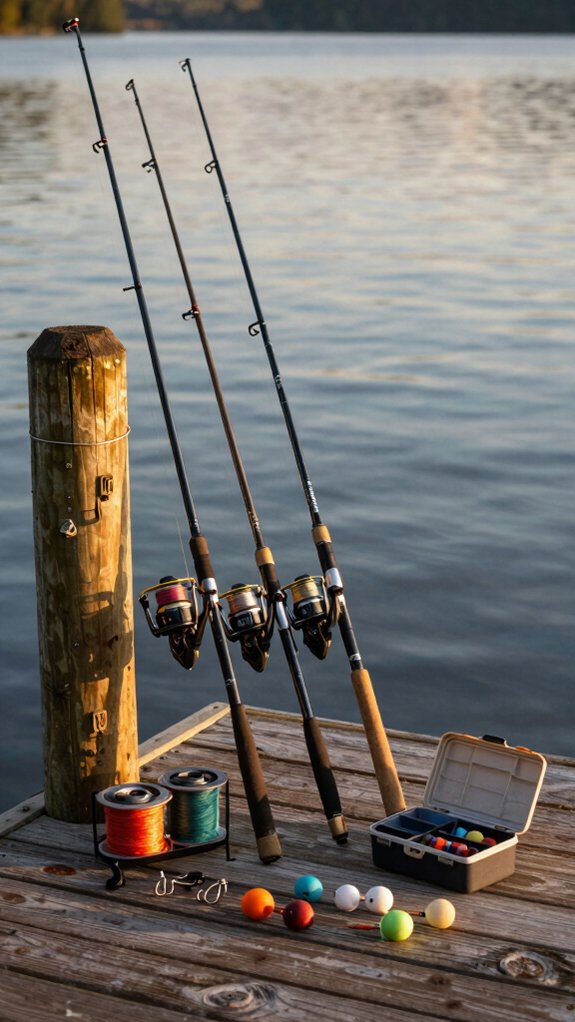
Every successful cast starts with the right combo of tackle working together smoothly.
To match your rod’s line weight and get the most from your lures, you need a few key items on hand. Here’s what I always bring:
- Spinning reel with 8–12 lb mono or 10–30 lb braid, Match it to your rod’s stamped line range for balanced performance.
- Assorted lures (1/8–1 oz), Pick sizes that fit your rod’s lure-weight rating so it loads right on every cast.
- Terminal tackle essentials, A few split‑shot, hooks (sizes 8–1/0), swivels, and snaps let me rig fast, whether using live bait or plastics.
- Leader and reliable knots, I use 2–20 lb leader with Palomar or improved clinch knots to fight abrasion and line twists.
Don’t forget polarized sunglasses and a net, game‑changers for sight and landing fish.
Mistakes to avoid when getting a rod
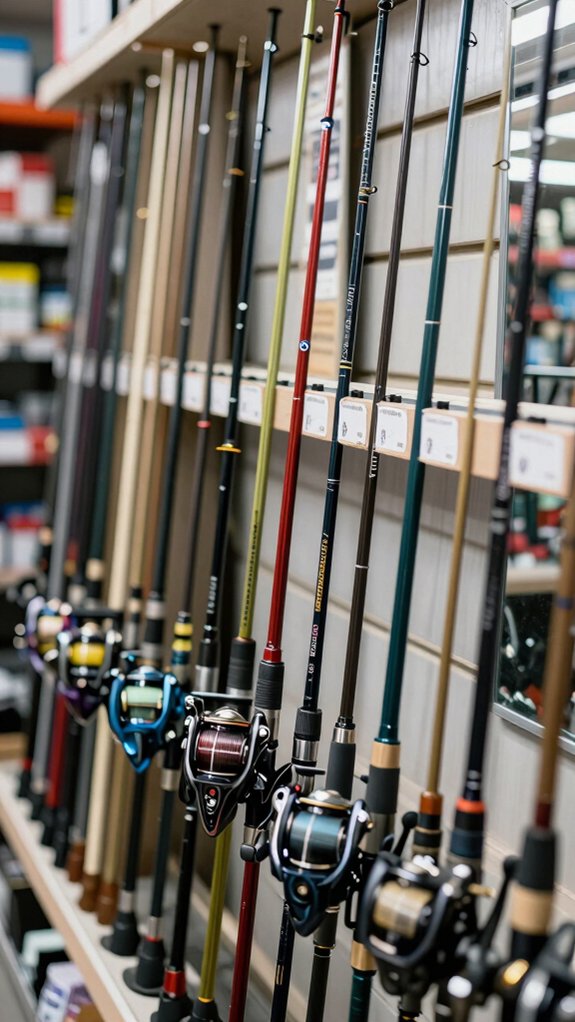
Before you get hooked on a flashy rod that looks great but falls flat on the water, let me save you from a few common missteps I’ve seen, and made, over years of chasing fish.
Pick the Right Fit for Your Fishing Style
Don’t buy a rod without matching the length of the rod and action to your target species. For bass, a 7′ medium or medium-heavy is ideal; surf anglers need 10′ medium-heavy. Action rods are great, but only if they suit your technique.
Respect the Specs
Always check the line and lure weights printed on the blank. Going too heavy or light risks breakage and hurts casting.
Skip the Hype
Price and “high modulus” claims don’t guarantee performance. Test feel, guides (ceramic/SiC best), and reel-seat fit.
A two-piece? Fine for portability, but check ferrule strength.
Frequently Asked Questions
How to Know What Size Fishing Rod to Get?
I pick my rod size based on where and what I’m fishing, 6’ to 7’ works great for most freshwater, shorter rods fit tight spots, and longer ones cast farther, so I match it to my fishing style.
What Is the 80/20 Rule in Fishing?
The 80/20 rule in fishing? It’s my golden ticket, like a secret sauce. I spend 80% of my time using just 20% of my gear and tricks that actually catch fish, ditching the flash for what truly works.
What’s Heavier, 1/4 or 3/8?
3/8 oz is heavier than 1/4 oz, I’ve felt the difference when casting. It weighs 0.375 oz versus 0.25 oz, so it flies farther and sinks faster. I always grab the 3/8 when I need extra reach or depth.
What Is the 90/10 Rule in Fishing?
The 90/10 rule? I’ll tell you, most of my success comes from prep, not casting. Right gear, lines, lures? That’s 90%.
The rest? Just fishing. Smart work beats luck every time.
In Conclusion
So, how do you get a fishing rod today? Just head to a local shop for expert help and a ready-to-fish combo, or grab one online with same-day pickup, no waiting. Want to save? Rent or borrow for less than $25.
Pick the right size and action for your fishing style, check for quality guides and grips, and avoid mismatched gear. Isn’t setting yourself up for success better than guessing?