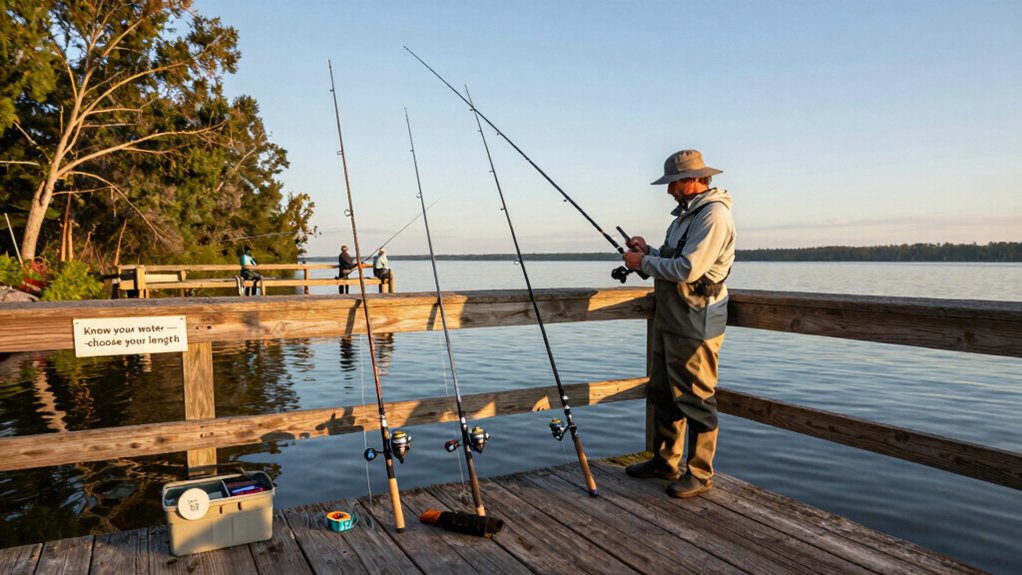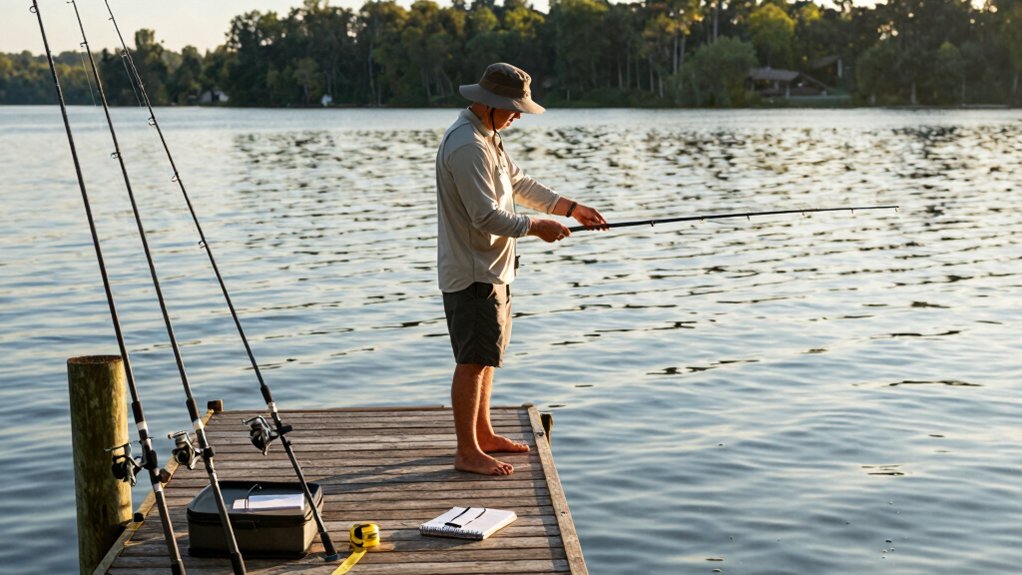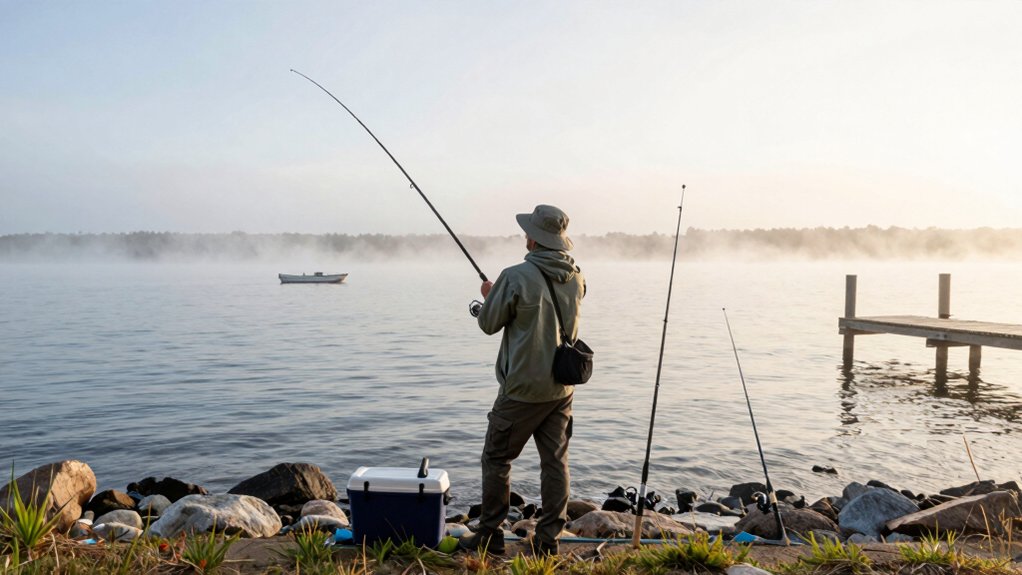
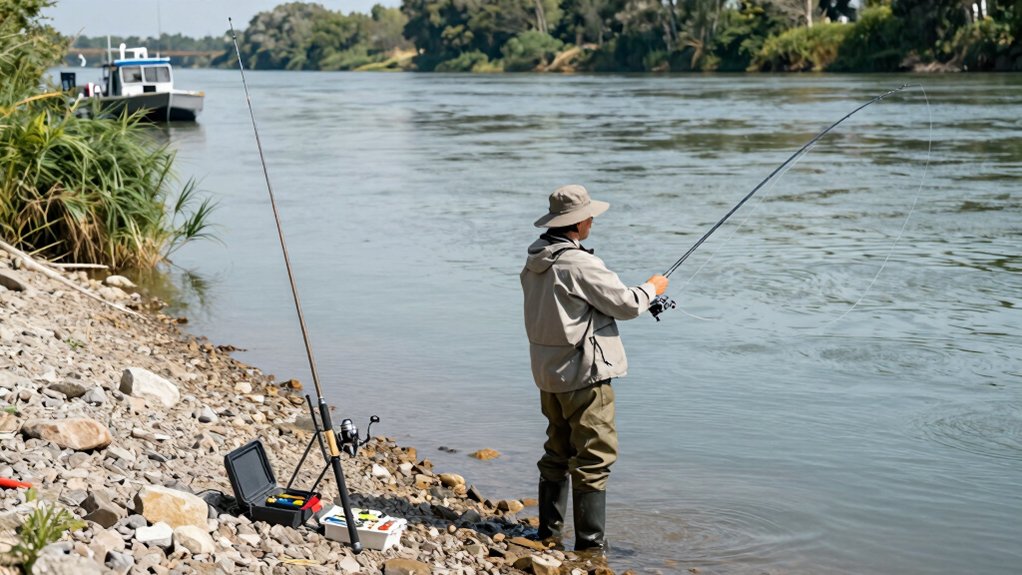

I need the right fishing rod for where and what I’m chasing, because a panfish setup won’t cut it for striped bass off the jetty. Your perfect rod depends on species, location, and technique. Get it wrong, and you’ll miss bites or lose fish.
Over 68% of beginner anglers use mismatched gear, according to a 2022 American Sportfishing Association survey. Let’s break down what actually matters so you can fish smarter.
What fishing rod do I need?
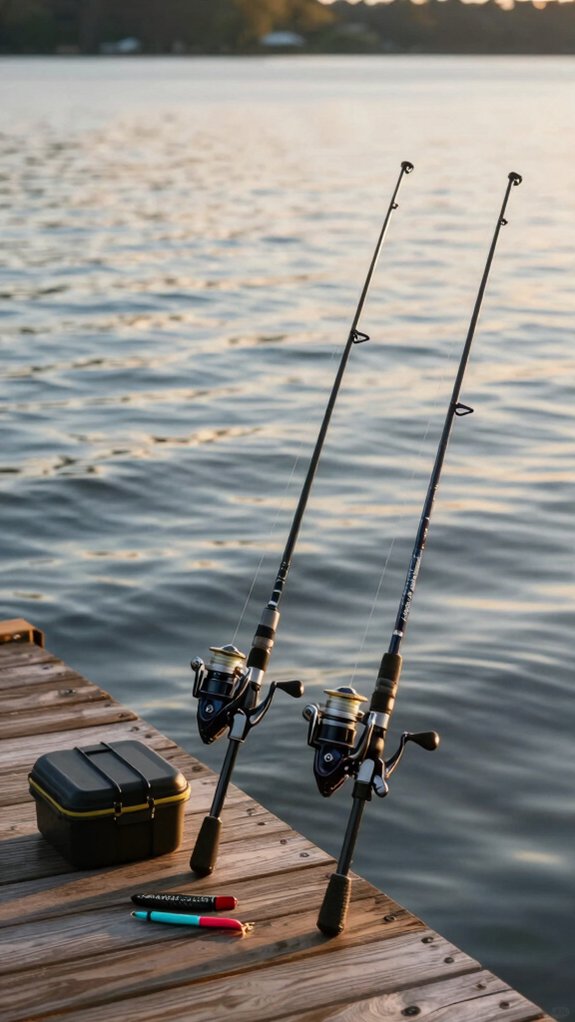
So, what fishing rod do you actually need? It depends on where you fish and what you’re chasing.
Start by considering the length of the rod, shorter (5–7 ft) for kayaks or tight spots, longer (8–11+ ft) for surf or distance casting.
Next, match rod power to your target: Light for trout, Medium for bass, Heavy for tuna or tarpon.
Your rod action (fast, medium, slow) affects sensitivity and hookset, fast for precision, slow for delicate lures.
Don’t overlook material (graphite/fiberglass): graphite’s light and sensitive; fiberglass is tough and affordable.
Always check the blank’s line and lure weights, staying within range prevents tangles and breakage.
A well-matched rod makes casting smoother, fighting fish easier, and landing them more rewarding. Pick right, and you’ll feel every subtle bite.
Spinning vs baitcasting: which is best?
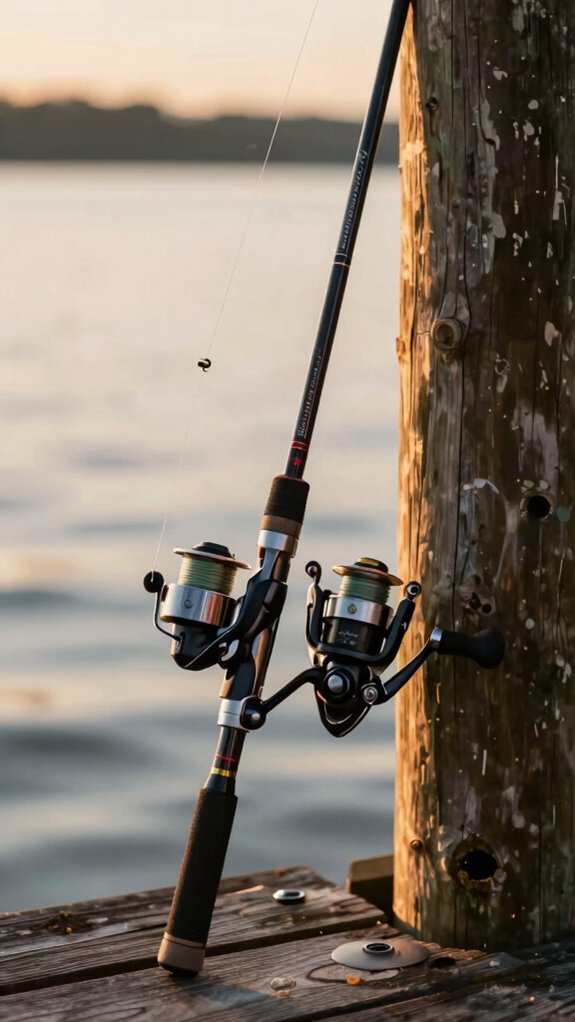
Ever wonder why some anglers nail their cast every time while others fight tangles more than fish? It often comes down to choosing between spinning and baitcasters.
Spinning reels are beginner-friendly, sit below the rod, and work great with a medium action spinning combo, perfect for 6–15 lb line and light lures. They’re ideal for most freshwater and shore fishing.
Baitcasters sit on top, offer more power and accuracy, and shine with baitcaster rods when tossing heavier lures (15–30+ lb line). But they take practice, expect a few bird’s nests early on.
I started with spinning, then upgraded to baitcasters when I wanted tighter control and longer casts.
Pro tip: Use trigger-grip rods with baitcasters, cork handles with spinning.
Start with a 7 ft medium action spinning combo. Master it, then add baitcasters to your lineup.
Fishing rod types and key features
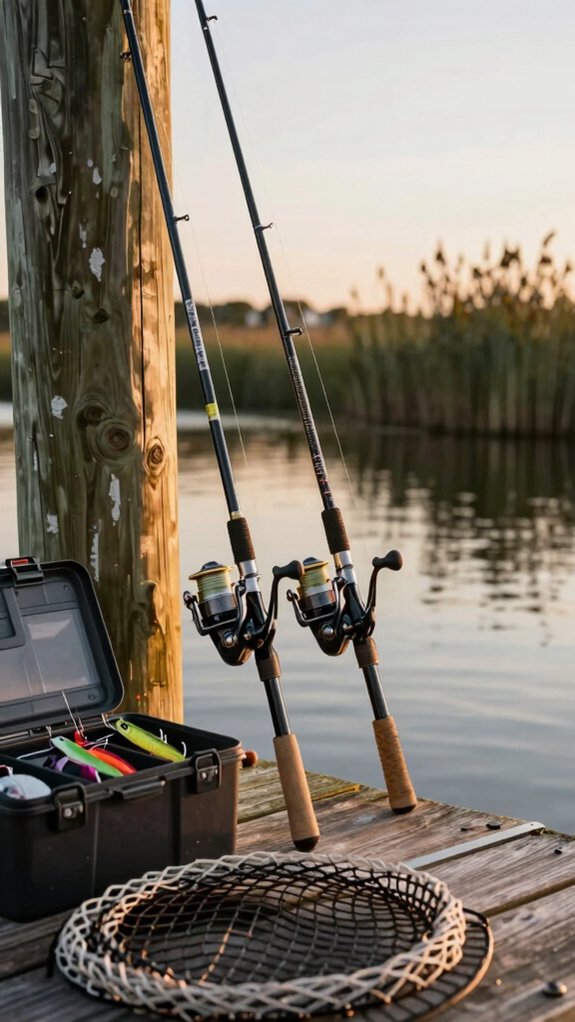
Let’s break down the basics so you can pick a rod that matches your style and stacks the odds in your favor.
Understanding rod action and rod power is key, action tells you where the rod bends (fast, medium, slow), while power (ultra-light to heavy) matches lure weights and fish size. Spinning rods are forgiving and versatile, perfect for beginners. Fly rods rely on line weight, not lure weight, while baitcasters offer precision for experienced anglers.
| Feature | Spinning Rods | Fly Rods |
|---|---|---|
| Best For | Beginners, versatility | Light flies, trout |
| Material | Graphite, fiberglass | Graphite |
| Rod Action | Medium-fast | Medium |
| Lure/Line Wt | 1/4–3/4 oz | 5–10 weight line |
How to choose the right rod
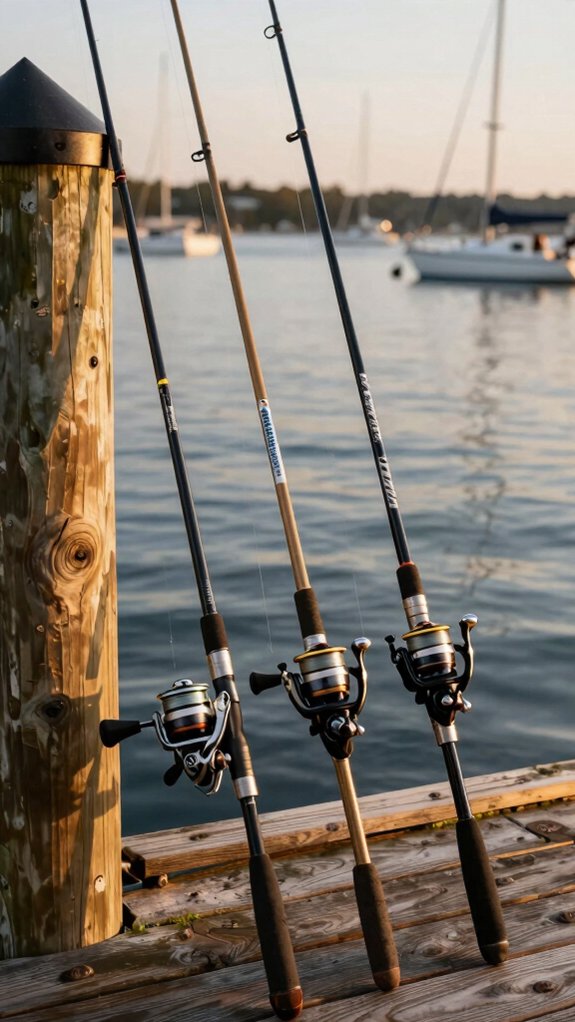
When picking the right rod, I always start by matching the power, action, and length to my fishing style, because using the wrong one can cost me fish and frustration.
I look closely at the rod’s power rating and action speed first, since they affect how well I cast and set hooks, then make sure the length fits where I’m fishing, whether it’s a tight riverbank or open surf.
And I never ignore the blank’s line and lure weight guide, it keeps my setup balanced and helps me avoid snapped lines or poor casts.
power rating
While it might seem subtle at first, getting the right rod power is one of the fastest ways I’ve seen anglers improve their success on the water, because it directly affects how well you can cast, fight fish, and even feel bites.
Rod Power: Light vs Heavy
Rod power (ultra-light to ultra-heavy) measures how much force bends the blank. I match my rod to the fish and gear: light power for panfish with 4–8 lb line and 1/16–1/4 oz lures, heavy for bass or pike using 15+ lb braid and 3/4+ oz jigs.
Staying within the rod’s marked line and lure weight range keeps casts smooth and blanks safe.
For beginners, I recommend a medium or medium-heavy power, 7-foot rod, it handles 10–30g lures and most freshwater species without compromise.
action speed
Feel the difference a rod’s action makes the moment you set the hook, because action speed isn’t just about how far you cast, it’s about control, sensitivity, and matching your rod to the lure and fish you’re targeting.
Fast action rods bend near the tip, delivering instant, powerful hooksets, perfect for big bass or pike in heavy cover. They shine with single-hook lures like worms or large jigs.
If you’re just starting, go medium-fast: it balances casting distance, sensitivity, and forgiveness across many lures.
Slow action rods bend deep into the butt, offering smooth casts and gentle hook pressure, ideal for light lures and panfish or trout. Just match lure weight to the rod’s range; going too heavy risks breakage, too light kills casting performance.
Pick right, and every cast feels connected.
rod length
If you’re wondering how rod length affects your fishing success, here’s the truth: it shapes your casting reach, control, and comfort more than most realize.
Rod length directly impacts casting distance and leverage. Short rods (5–7 ft) offer better control and power, perfect for kayaks, boats, or tight cover.
Need versatility? A 7 ft rod is my go‑to pick for beginners; it balances accuracy, distance, and adaptability across freshwater techniques.
For open water or surf, a longer rod (10+ ft) boosts casting range and line control. Most starter surf rods are around 10 ft, medium-heavy with moderate action.
Big surf or distance? Pros often use 12–15 ft rods.
Just remember: longer rods help tire big fish but need more skill up close. And for easy transport, multi-piece rods make packing a breeze, even if they lose a bit of sensitivity.
casting weight
When you match your rod to the right casting weight, you’re setting yourself up for smoother casts, better accuracy, and stronger hooksets, no more frustrating air knots or lures that won’t fly. The key? Check your rod blank’s printed lure weight and line weight range. Stay within those specs, and your setup stays balanced and safe.
- Use heavier lures near the top of the rod’s casting weight range for power in wind or thick cover
- Opt for lighter lures at the lower end when you need longer, delicate presentations
- For all‑around success, pick a medium or medium‑fast rod rated around 1/4–3/4 oz (7–21 g)
I’ve seen too many anglers blow out rods by ignoring these ratings. Stick to the specs on the blank, and you’ll cast farther, fish smarter, and land more fish, guaranteed.
material choice
Your rod’s material shapes how it feels in your hands, how it casts, and how well you detect bites, so picking the right one starts with knowing what each type brings to the water.
Graphite rods are light and super sensitive, perfect for feeling subtle trout nibbles or finesse bass work. But they’re pricier and more brittle.
Fiberglass? Tough, affordable, and great for heavy cover or big fish like tarpon, though heavier and less responsive.
Composite rods blend graphite and fiberglass, giving you sensitivity and backbone, ideal for anglers who want one rod to handle it all.
For handles, cork transmits up to 3x more vibration than EVA foam, says Field & Stream testing, but dents over time. EVA foam’s tougher and easier to clean, great for saltwater or kids’ rods.
Match the material to your fish and style, your catch rate will thank you.
handle style
While it might seem like just something to hold onto, the truth is, the handle style on your rod plays a key role in how well you cast, fight fish, and feel every subtle tap on the line.
Your grip choice affects sensitivity, comfort, and control. Consider these key options:
- Pistol-grip handles offer precision for overhead casting and jigging, ideal for bass and inshore work.
- Trigger-stick designs give you two-handed power and leverage, perfect for long surf casts or heavy lures.
- Choose cork grips for superior vibration transfer (up to 3× more than foam) and a warm, comfortable feel, or EVA foam for durability, easy cleaning, and saltwater resilience.
Always match handle length to your technique: shorter for finesse, longer for power.
A well-balanced setup starts in your hands, get it right, and you’ll feel every moment of the fight.
reel pairing
| Rod Type | Reel Type | Line Capacity (lb) |
|---|---|---|
| Spinning | Spinning Reel | 10,15 |
| Casting | Baitcaster | 15,25 |
| Surf (10,11 ft) | Conventional | 20,30 |
Match rod to fish and water
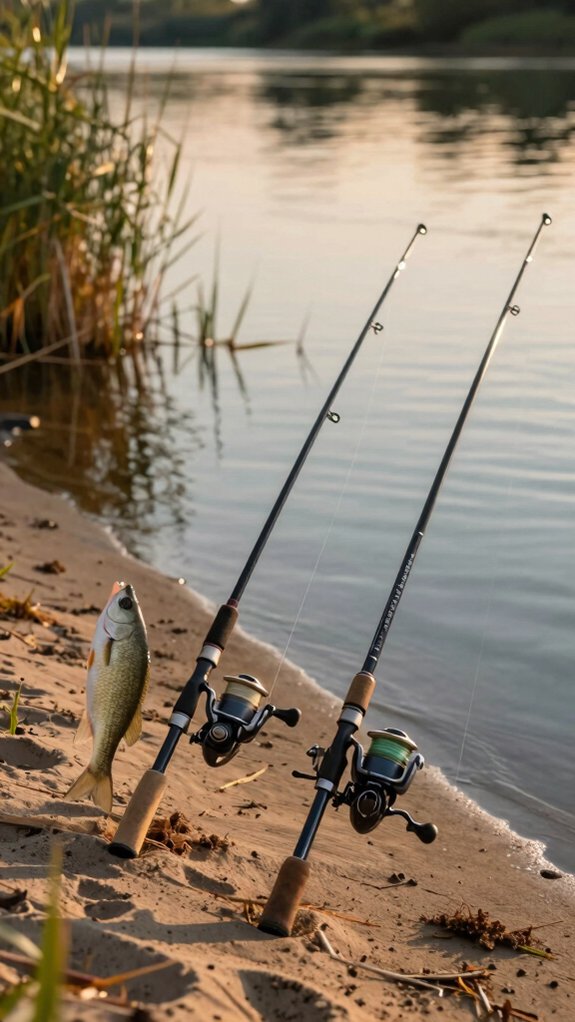
When you’re after panfish in quiet freshwater spots, a light, 6- to 7-foot rod with slow action makes casting tiny lures a breeze and helps you feel every subtle bite.
For bass and pike in weedy lakes or trout in winding streams, I go with a medium-power, 7-foot rod that handles a variety of lures and gives me enough backbone to pull fish from cover.
And if you’re chasing inshore saltwater species like redfish or snook, a stout 8- to 9-foot medium-heavy rod helps you cast farther and fight fish in strong currents.
panfish freshwater
Most of the time, I reach for a 6–7 foot ultralight or light rod when I’m targeting panfish like bluegill, crappie, or perch in freshwater, because it gives me the perfect mix of sensitivity and control for their subtle bites.
- Match your line weight to the setup: 2–6 lb mono for Ultra Light rigs, 4–8 lb for a light rod, it helps you feel nibbles without spooking fish
- Pick fast action or medium‑fast for soft plastics and jigs; go medium/slow if using tiny treble‑hook baits that need gentle hook pressure
- Always stay within the rod’s casting range (usually 1/32–1/8 oz) so you don’t stress the blank or lose casting accuracy
I love a graphite blank with a cork handle, it’s light, sensitive, and just feels right in hand when a bluegill taps your jig.
bass and pike
One solid rod setup can make all the difference when you’re chasing both bass and pike, two aggressive freshwater predators that demand gear with backbone and precision.
For bass, I love a 7–7.5 ft medium‑fast spinning rod, it’s sensitive enough to feel light bites and strong enough for 8–17 lb line and lures like crankbaits or soft plastics.
But when pike enter the mix, step up to an 8–9 ft heavy‑power rod.
These brutes need 20–50+ lb braid and heavy cover‑clearing power.
If targeting both from a boat, I use a 7–8 ft medium‑heavy fast baitcasting combo.
I spool it with 30–50 lb braid and add a 20–40 lb fluorocarbon leader, perfect for handling pike teeth and setting hooks in bass.
This balanced setup gives you sensitivity, strength, and smart protection when the action heats up.
trout streams
Honestly, I reach for a 7–8 ft rod with Medium-Light power nearly every time I’m heading to a trout stream, it’s just the sweet spot for balancing casting control and delicate presentation.
For trout, I pair that 7–8 ft rod with a Fast action tip so I can set hooks quickly on light bites, while still having enough backbone to play feisty fish. I keep things light: 4–8 lb line handles most stream conditions, and I match my lures to the rod’s 1/8–1/2 oz sweet spot for accurate, tangle‑free casts.
Here’s what works for me:
- A shorter 6–7 ft rod in tight, brushy streams for better accuracy
- Medium-Light power to feel subtle takes and protect light tippets
- Fast action for instant response when trout strike small spinners or jigs
inshore saltwater
When you’re moving from the quiet riffles of trout streams to the shimmering flats and tidal creeks of inshore saltwater, your rod choice needs to step up to handle stronger fish, tougher conditions, and the constant bite of salt.
For most inshore saltwater action, I grab a 7–9 ft spinning rod with medium‑heavy power. It’s perfect for redfish, snook, and even small tarpon. Pair it with fast action for quick hooksets around oyster bars and mangroves.
| Feature | Why It Matters |
|---|---|
| 7–9 ft spinning rod | Casts accurately and handles tight spaces |
| Medium‑heavy power | Drags fish from structure without buckling |
| Corrosion‑resistant guides | Lasts longer under salty spray and sun |
I also use fast action blanks and salt-rated reels (3000–4000 size) with 10–20 lb braid. Trust me, your gear will thank you.
Common fishing rod mistakes to avoid
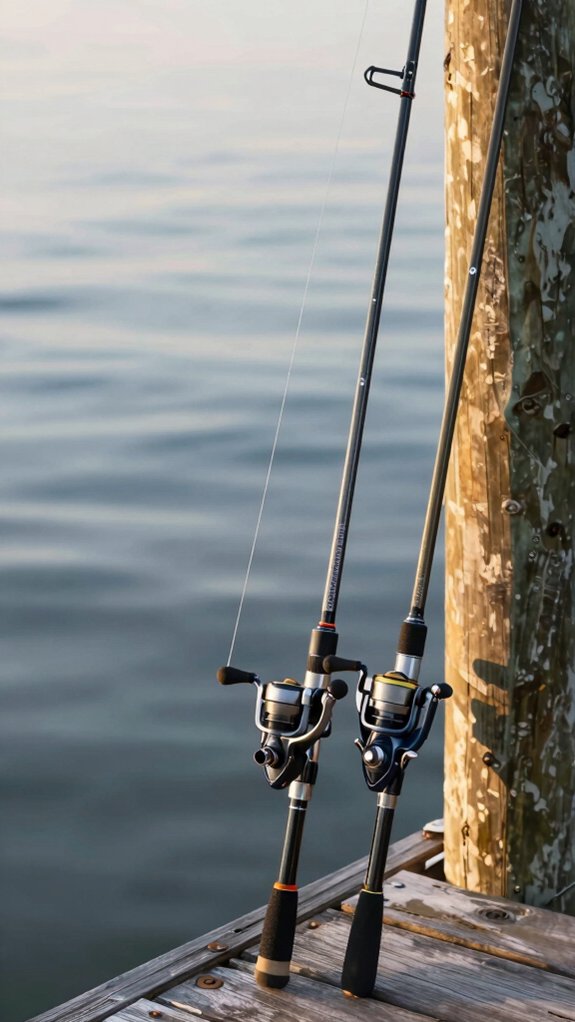
While it’s tempting to grab the fanciest rod on the shelf or reuse an old favorite for every situation, doing so can actually hurt your fishing more than help it, especially when mismatched gear leads to broken blanks, lost fish, or frustrating casts.
Avoid these common mistakes:
- Ignoring line & lure ratings, overloading a 6–12 lb rod with 40 lb braid risks snapping the blank.
- Mismatching rod action and power to the technique, light rods fail in heavy cover; go fast and heavy for pike or bass.
- Overlooking material durability and saltwater components, high-modulus graphite shatters in snags, and cheap guides corrode fast.
Always match rod length to your fishing platform, long rods on kayaks? Not ideal.
Choose wisely: the right balance of sensitivity, strength, and corrosion resistance keeps you fishing longer and landing more fish.
Frequently Asked Questions
How to Figure Out What Fishing Rod to Use?
I figure out what fishing rod to use by matching it to my target fish, where I’m fishing, and what gear I’m pairing it with, keeping it light for trout, tough for bass, and always staying within the rod’s recommended line and lure limits.
What Is the 80/20 Rule in Fishing?
The 80/20 rule means I spend 80% of my time on one reliable rod-reel combo for most fishing, and 20% testing specialty gear, so I master my main setup while keeping options open without overcomplicating things or breaking the bank.
What Is the 90/10 Rule in Fishing?
The 90/10 rule in fishing means I spend most days like a steady heartbeat, reliable and rhythmic, with one trusty rod, only branching out 10% of the time for special gear when the situation truly demands it.
How to Find the Perfect Fishing Rod?
I find the perfect fishing rod by matching its length, power, and action to my target species and fishing style, like using a 7′ medium‑fast rod for bass, so I cast farther, feel bites better, and land more fish.
In Conclusion
You need a rod that turns every cast into pure fishing magic, seriously, the right setup feels like telepathy with fish.
Pick based on where you fish and what you chase; mismatched gear is why 68% of beginners lose fish (American Sportfishing Association).
I always match rod power, action, and reel type to my target, light for bluegill flicks, heavy for charging redfish.
Get it right, and you’ll feel every subtle bite, set hooks with laser precision, and land more trophies.
Trust me, the perfect rod isn’t just gear, it’s your secret weapon.